
EU Ministers Reject 30% US Tariff, Prepare Countermeasures
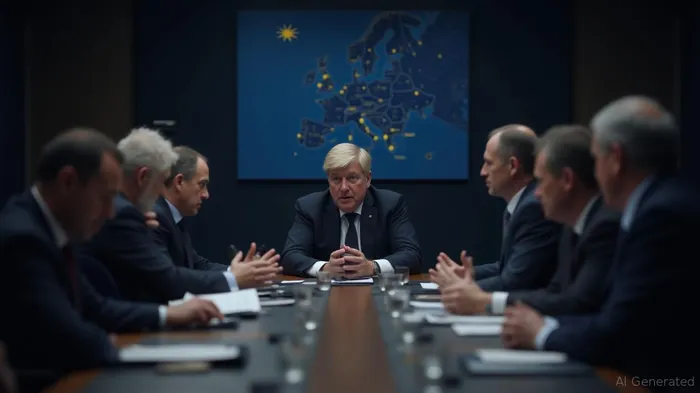
EU trade ministers convened in Brussels on Monday to address the recent announcement by U.S. President Donald Trump of a 30% tariff on European Union imports, a move they unanimously deemed "absolutely unacceptable." The ministers are now exploring a range of countermeasures in response to this development, which could have far-reaching implications for both governments, businesses, and consumers on both sides of the Atlantic. The EU, being America’s largest trading partner and the world’s largest trading bloc, is particularly vulnerable to such tariffs.
Maroš Šefčovič, the EU’s trade representative, emphasized the unanimous rejection of the 30% tariff during the meeting. He revealed that the European Commission is sharing proposals with the 27 member countries for a second list of goods worth 72 billion euros in U.S. imports, indicating that the EU is prepared to take further action if necessary. Šefčovič also noted that the EU is keeping all options on the table, suggesting a robust response to the U.S. tariffs.
Lars Løkke Rasmussen, the foreign minister of Denmark, which currently holds the EU presidency, highlighted the unity among the ministers in their resolve to negotiate a trade deal with Washington or to agree on countermeasures. Rasmussen stressed that the EU is prepared to take robust and proportionate countermeasures if required, underscoring the strong sense of unity within the bloc.
The tariffs, which are also set to be imposed on Mexico, are scheduled to take effect on August 1. This could lead to increased prices for a wide range of goods in the U.S., including French cheese, Italian leather goods, German electronics, and Spanish pharmaceuticals. The economic impact could be felt across Europe, from Portugal to Norway, potentially destabilizing economies in the region.
In a move to de-escalate tensions, Brussels decided to suspend retaliatory tariffs on U.S. goods that were scheduled to take effect on Monday. This decision was made in the hope of reaching a trade deal with the Trump administration by the end of the month. European Commission President Ursula von der Leyen stated that the EU has until August 1 to negotiate a solution, emphasizing the importance of continued dialogue.
Šefčovič reiterated the EU’s commitment to finding a negotiated solution, stating that it is far preferable to the potential tensions that could arise after August 1. However, he also acknowledged the need to be prepared for all possible outcomes, including the implementation of well-considered, proportionate countermeasures if necessary. The EU is determined to restore balance in its transatlantic relationship, even as it faces uncertainty due to the unjustified tariffs.
The latest tariff threats come amidst an ongoing pattern of Trump’s attempts to impose tariffs on various countries to address perceived trade imbalances. In April, Trump imposed tariffs on dozens of countries, only to pause them for 90 days to negotiate individual deals. As the grace period ended, he began sending tariff letters to leaders, but again delayed the implementation date for a few more weeks. If the tariffs are implemented, they could have significant repercussions for the global economy.
The American Chamber of Commerce in the European Union, representing major American corporations in Europe, warned that the tariffs could generate damaging ripple effects across all sectors of the EU and U.S. economies. The chamber praised the EU’s decision to delay countermeasures, hoping it would create an opportunity for further negotiations.
In response to the new tariffs, European leaders have called for unity and a steady hand to avoid further escalation. Just last week, there was cautious optimism about reaching a trade deal in the coming days. However, the sudden announcement of the tariffs has led to a shift in strategy, with the EU now focusing on doubling down on efforts to open new markets. The EU is actively pursuing economic agreements with countries such as Indonesia, South Korea, Japan, Vietnam, Singapore, the Philippines, and the United Arab Emirates, as well as mega-deals with Mexico and the Mercosur trading bloc in South America.
Von der Leyen, during a meeting with Indonesia’s president, emphasized the importance of strengthening partnerships in the face of economic uncertainty and geopolitical volatility. The EU’s proactive approach to forging new economic alliances underscores its commitment to mitigating the impact of the U.S. tariffs and securing its economic interests on the global stage.

Stay ahead of the market.
Get curated U.S. market news, insights and key dates delivered to your inbox.






Comments
No comments yet