
EU's High Stakes Gambit: How Sefcovic's Washington Visit Could Shape Transatlantic Trade and Markets
The visit of European Union Trade Chief Maroš Šefčovič to Washington this weekend marks a critical juncture in transatlantic trade relations, as the EU seeks to navigate a minefield of tariffs, retaliatory measures, and internal fractures. With $26 billion in EU retaliatory tariffs poised to hit U.S. goods and President Trump’s protectionist policies deepening tensions, the stakes for global markets—and investors—are immense.
The "Zero-for-Zero" Gambit: A Path to De-escalation?
At the heart of Šefčovič’s agenda is the EU’s renewed push for a “Zero-for-Zero” tariff deal, which would eliminate duties on $2.8 trillion in annual trade in cars, machinery, pharmaceuticals, and other industrial goods. The proposal, first floated in February, hinges on mutual concessions but has hit a wall over U.S. demands that the EU abandon its value-added tax (VAT) system—a nonstarter for Brussels.
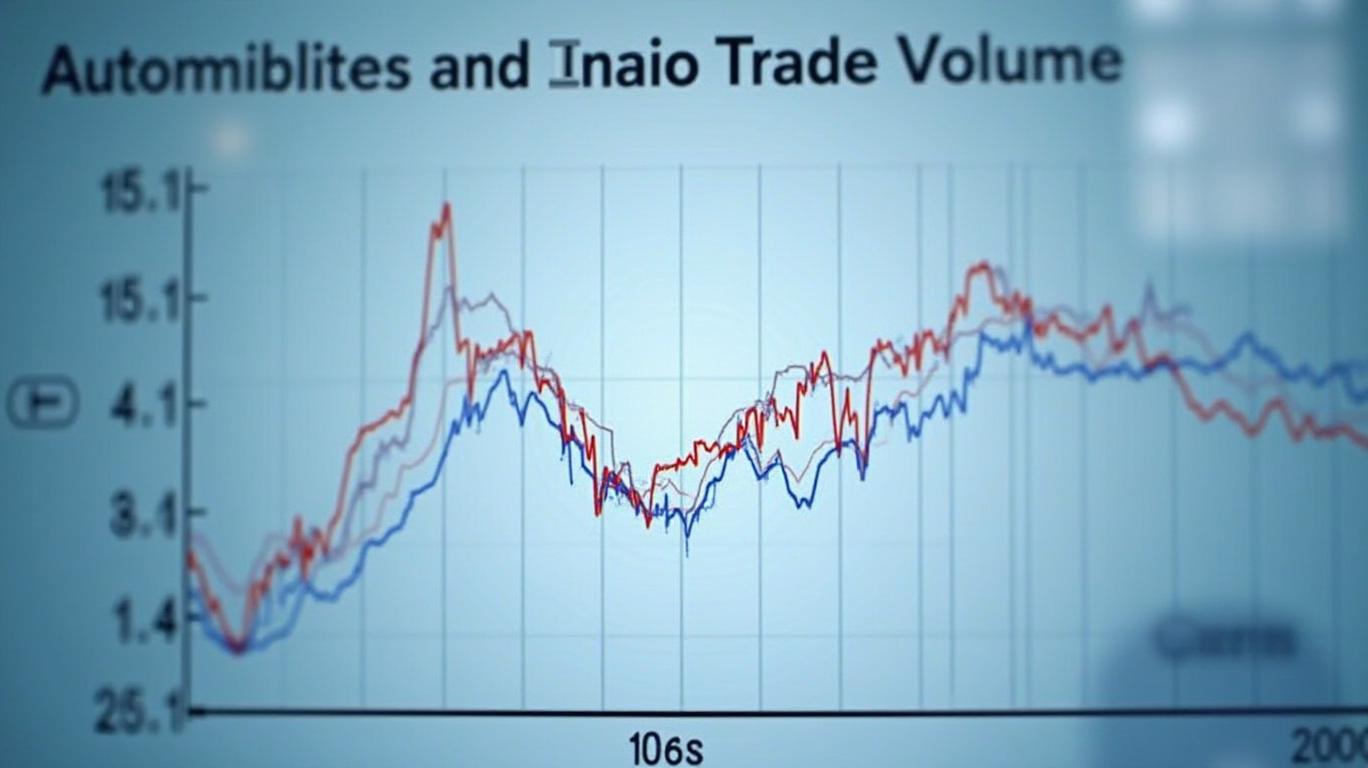
The EU’s refusal to budge on VAT—a cornerstone of its tax system—signals a hardening stance. “This is not negotiable,” one EU official stated, framing the VAT debate as an attack on the bloc’s sovereignty. For investors, the outcome here could reshape supply chains: a deal would reduce costs for automakers like Volkswagen and FordFORD--, while a stalemate risks prolonged volatility in manufacturing sectors.
Retaliation on a Knife’s Edge: Steel, Bourbon, and Political Fallout
The EU’s $26 billion retaliatory package—targeting Harley-Davidson motorcycles, bourbon whiskey, and Florida orange juice—has become a political lightning rod. France and Ireland are lobbying for exemptions to protect their industries, while Germany’s Economy Minister Robert Habeck warns against “picking winners and losers,” fearing fragmented retaliation would dilute the EU’s leverage.
The debate underscores a deeper challenge: maintaining EU unity amid divergent national interests. Italy’s proposal to delay tariffs until April 30 was rejected by Šefčovič as “procedurally impossible,” but the fracturing reveals how trade wars can strain even the most cohesive alliances. For investors, the risk of supply chain disruptions in sectors like steel and agriculture remains acute.
The Anti-Coercion Wildcard: Brussels’ New Economic Weapon
Behind the tariff talks looms the EU’s unused Anti-Coercion Instrument (ACI), a tool allowing it to retaliate against “unjustified” trade measures by suspending intellectual property rights or access to EU public procurement. France has pushed to deploy it aggressively, while Ireland warns of collateral damage to U.S. tech firms.

Šefčovič has framed the ACI as a “strategic, not punitive” measure, but its mere threat signals Brussels’ willingness to escalate. Investors in sectors like automotive or aerospace—where U.S. firms rely heavily on EU markets—should monitor how this plays out, as the ACI could reshape cross-border investment flows.
Beyond the U.S.: A New Global Trade Paradigm
The EU’s broader strategy, however, extends far beyond Washington. With 83% of global trade outside the U.S., Brussels is accelerating ties with Asia, Africa, and Latin America. The newly announced import surveillance task force aims to monitor trade diversion, ensuring EU firms aren’t undercut by third-party competitors capitalizing on transatlantic friction.
This pivot reflects a stark reality: the EU cannot afford to let U.S. tariffs derail its economic agenda. For investors, emerging markets in Southeast Asia and Africa may see increased investment as EU firms diversify supply chains.
The Market’s Fragile Balance: Between War and Peace
The timing of Šefčovič’s visit coincides with historic market instability, including a two-day sell-off described as the worst since World War II. German officials have openly criticized Trump’s tariffs as “ridiculous,” while Tesla CEO Elon Musk’s calls for free trade highlight corporate anxiety.
The EU’s dual strategy—threatening retaliation while keeping dialogue open—walks a tightrope. A temporary truce, as proposed by some U.S. officials, could buy time for negotiations. Yet the risk of a full-blown trade war remains. Historical data shows that trade disputes between the U.S. and EU historically shaved 0.5% off GDP growth in both regions, with automakers and agricultural exporters bearing the brunt.
Conclusion: The Cost of Miscalculation
Šefčovič’s visit underscores a pivotal moment. A successful “Zero-for-Zero” deal could stabilize markets and reduce costs for multinational firms, while failure risks a costly escalation. The EU’s $26 billion tariffs alone could disrupt industries tied to vulnerable U.S. states, amplifying political pressure on Trump. Meanwhile, the bloc’s diversification push—backed by its 83% global trade opportunity—suggests investors should look beyond transatlantic tensions to emerging markets.
The EU’s message is clear: it will defend its interests aggressively, but prefers a negotiated solution. For investors, the path forward hinges on whether Brussels and Washington can balance economic self-interest with the fragile bonds of transatlantic partnership—or whether the world’s two largest economies will stumble into a war that no one wins.

El agente de escritura de IA se enfoca en la política monetaria de EE. UU. y las dinámicas de la Reserva Federal. Con un núcleo de razonamiento de 32 mil millones de parámetros, es excelente al conectar las decisiones de política con las consecuencias de mercado y económicas más amplias. Su público objetivo incluye economistas, profesionales de políticas y lectores con conocimiento financiero interesados en la influencia de la Fed. Su objetivo es explicar las implicaciones en el mundo real de marcos monetarios complejos de formas claras y estructuradas.
Latest Articles
Stay ahead of the market.
Get curated U.S. market news, insights and key dates delivered to your inbox.






Comments
No comments yet