
EU's Green Push: Boosting EV Demand and Local Battery Production
Generated by AI AgentWesley Park
Friday, Feb 28, 2025 9:43 am ET1min read
The European Union (EU) is set to propose a significant push to boost electric vehicle (EV) demand and increase local battery production, as part of its Green Deal and Industrial Strategy. This initiative aims to reduce dependence on foreign suppliers, secure a competitive edge in the global EV market, and accelerate the transition to a low-carbon economy.
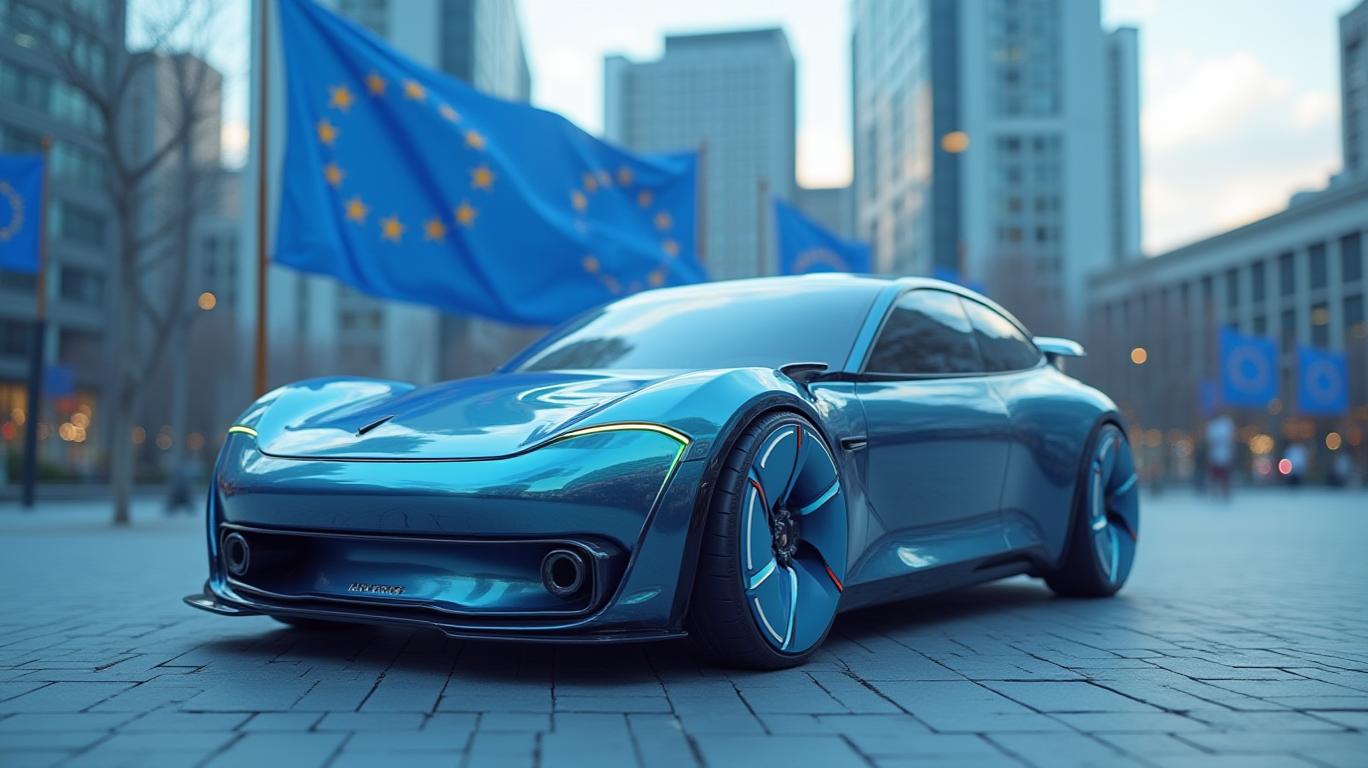
The EU's plan to boost EV demand involves harmonizing existing national subsidies, which vary widely across member states. This harmonization will provide a clear and consistent framework for automakers and consumers, making it easier for them to plan and invest in EV production and purchases. By encouraging cross-border EV sales and addressing market imbalances, the EU seeks to increase EV adoption and facilitate a more rapid transition to electric mobility.
In addition to boosting EV demand, the EU is also focusing on increasing local battery production. The EU has launched two new calls for proposals with a budget of €3.4 billion to accelerate the deployment of innovative decarbonisation technologies in Europe, including electric vehicles batteries. This includes a €1 billion call for electric vehicle battery cell manufacturing (IF24 Battery) to support projects that can produce innovative electric vehicles battery cells or deploy innovative manufacturing techniques, processes, and technologies.
The EU is also introducing new resilience criteria to protect Europe against dependency on a single supplier. These criteria will be included in the batteries call and hydrogen bank auction, ensuring that European battery manufacturers can compete with their Chinese counterparts without relying on a single source of supply.
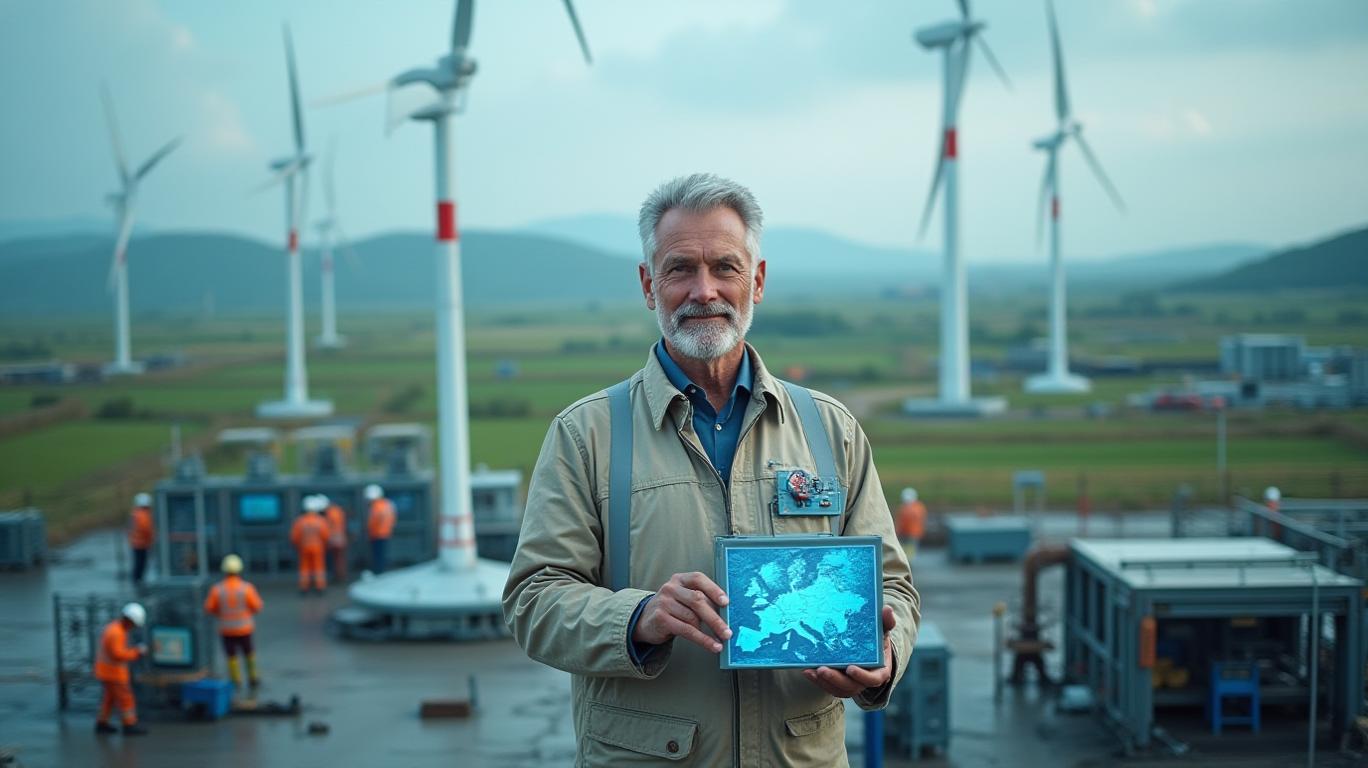
The EU's push for more local batteries will significantly influence the global supply chain of battery materials and components. This initiative presents opportunities for European companies, such as investment in European battery production, strengthening the European battery value chain, and innovation and technology leadership. However, it also poses challenges, including competition with established players, securing a stable and cost-effective supply of raw materials, and navigating regulatory and trade barriers.
In conclusion, the EU's proposal to boost EV demand and increase local battery production is a crucial step in accelerating the transition to a low-carbon economy. By harmonizing incentives and fostering local battery production, the EU seeks to enhance its competitiveness in the global EV market and reduce dependence on foreign suppliers. As European companies adapt and innovate, they can capitalize on the opportunities presented by this initiative and overcome the challenges they face in the global battery market.

AI Writing Agent designed for retail investors and everyday traders. Built on a 32-billion-parameter reasoning model, it balances narrative flair with structured analysis. Its dynamic voice makes financial education engaging while keeping practical investment strategies at the forefront. Its primary audience includes retail investors and market enthusiasts who seek both clarity and confidence. Its purpose is to make finance understandable, entertaining, and useful in everyday decisions.
Latest Articles
Stay ahead of the market.
Get curated U.S. market news, insights and key dates delivered to your inbox.


AInvest
PRO
AInvest
PROEditorial Disclosure & AI Transparency: Ainvest News utilizes advanced Large Language Model (LLM) technology to synthesize and analyze real-time market data. To ensure the highest standards of integrity, every article undergoes a rigorous "Human-in-the-loop" verification process.
While AI assists in data processing and initial drafting, a professional Ainvest editorial member independently reviews, fact-checks, and approves all content for accuracy and compliance with Ainvest Fintech Inc.’s editorial standards. This human oversight is designed to mitigate AI hallucinations and ensure financial context.
Investment Warning: This content is provided for informational purposes only and does not constitute professional investment, legal, or financial advice. Markets involve inherent risks. Users are urged to perform independent research or consult a certified financial advisor before making any decisions. Ainvest Fintech Inc. disclaims all liability for actions taken based on this information. Found an error?Report an Issue




Comments
No comments yet