
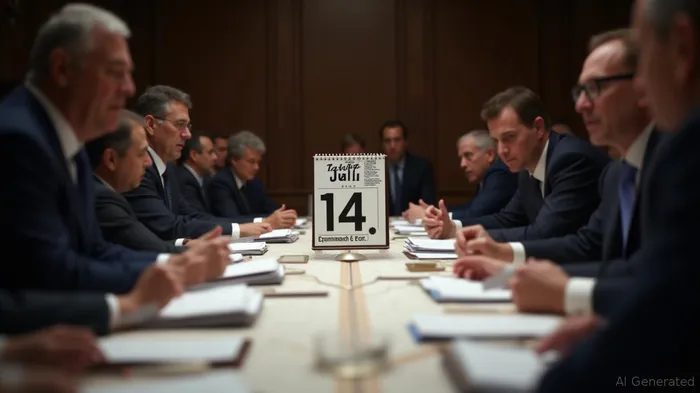
EU Faces July 14 Tariff Decision Amid US Threats
The EU is at a crossroads as it approaches the July 14th deadline for its tariff decision, weighing the potential for retaliation against the risks of recession. The EU has temporarily paused the imposition of tariffs on €21 billion worth of US imports, including steel, aluminum, cars, motorcycles, and poultry, to facilitate negotiations. However, this suspension is set to expire on July 14, leaving the EU with a difficult choice.
US President Donald Trump has threatened to raise tariffs on EU imports from the initial 25% to a drastic 50%, with talks ongoing until a July deadline. In response, the EU has prepared an extensive €21 billion list of counter-tariffs, which could potentially expand to €95 billion in wider goods if no agreement is reached by mid-July. This has created a dilemma for the EU, with some members, like Germany's Bernd Lange, advocating for immediate retaliation if US tariffs go into effect, while others, such as Italy and Hungary, favor continued dialogue.
Analysts warn that 50% tariffs could heavily disrupt industries such as automobiles, steel, and pharmaceuticals, potentially dragging the eurozone into recession and prompting the European Central Bank to cut rates further. This has led the EU to consider a UK-style trade agreement with the US, which would include reciprocal 10% tariffs on goods, with plans to later negotiate and reduce tariffs on sensitive items like steel and cars. This approach aims to mitigate the economic fallout from the US tariffs and provide more time for negotiations.
The EU Trade Commissioner Maroš Šefčovič is overseeing sectoral tariff discussions with US Commerce Secretary Howard Lutnick, while other EU officials are engaging with the US Trade Representative’s office on other matters. The consensus seems to be drifting toward a gradual approach, starting with modest reciprocal tariffs before delving into sector-specific reductions. However, with July 14 approaching, a deal could de-escalate one of the few remaining major geo-economic flashpoints. Failure may flip sentiment toward recession risk, prompting central banks to act sooner or more aggressively.

Stay ahead of the market.
Get curated U.S. market news, insights and key dates delivered to your inbox.






Comments
No comments yet