
EU Extends U.S. Tariff Suspension Until August Amid Internal Debate
The European Union has extended the suspension period for its retaliatory tariffs against the United States until early August, a move that has sparked internal debate within the EU. The decision, announced by the European Commission President on July 13, has raised questions about the effectiveness of the EU's strategy in dealing with U.S. trade policies.
The extension of the suspension period was met with skepticism by the Chair of the European Parliament's Committee on International Trade. The Chair questioned the wisdom of further concessions, expressing doubt that the U.S. would change its stance. The Chair argued that the U.S. President was seeking more than what had been offered in previous negotiations and that the EU should not capitulate. The Chair emphasized that negotiations and balanced retaliatory measures are not mutually exclusive.
The EU has consistently maintained its preference for resolving trade disputes through dialogue and negotiation. The European Commission President reiterated this stance, stating that the EU remains committed to finding a mutually agreeable solution with the U.S. The initial plan was for the EU's retaliatory measures to take effect on July 14, but the suspension period has now been extended to early August.
The internal debate within the EU highlights the challenges faced by the bloc in balancing its commitment to multilateralism with the need to protect its economic interests. The extension of the suspension period is seen as a strategic move to buy more time for negotiations, but it also raises concerns about the EU's resolve in the face of U.S. trade policies.
The decision to extend the suspension period comes at a time when trade tensions between the EU and the U.S. have been escalating. The U.S. has imposed tariffs on a range of EU products, citing national security concerns and unfair trade practices. The EU, in response, has prepared a list of U.S. products that would be subject to retaliatory tariffs.
The internal debate within the EU reflects the differing views on how to handle the trade dispute with the U.S. Some argue that further concessions would only embolden the U.S. to demand more, while others believe that a more conciliatory approach is necessary to avoid a full-blown trade war. The extension of the suspension period is seen as a compromise, allowing for more time to explore diplomatic solutions while maintaining the option of retaliatory measures.
The EU's decision to extend the suspension period for its retaliatory tariffs against the U.S. underscores the complex nature of international trade relations. The internal debate within the EU highlights the challenges faced by the bloc in balancing its commitment to multilateralism with the need to protect its economic interests. The extension of the suspension period is seen as a strategic move to buy more time for negotiations, but it also raises concerns about the EU's resolve in the face of U.S. trade policies. The outcome of the ongoing negotiations will have significant implications for both the EU and the U.S., as well as for the global trade landscape. 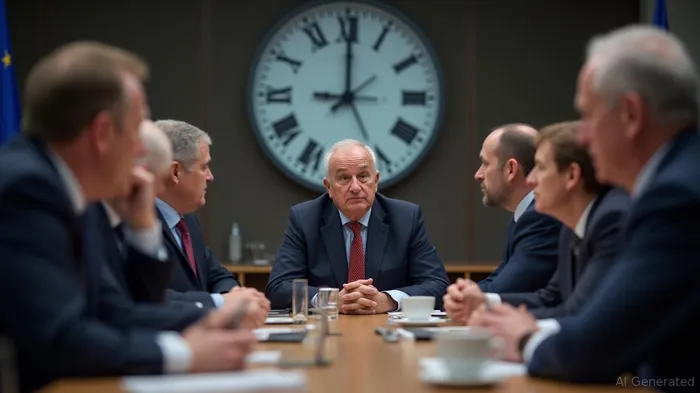

Stay ahead of the market.
Get curated U.S. market news, insights and key dates delivered to your inbox.






Comments
No comments yet