
EU Envoys Agree Ban on Russian Aluminium Imports in New Sanctions Package
Generated by AI AgentCyrus Cole
Wednesday, Feb 19, 2025 4:42 am ET2min read
CET--
The European Union (EU) has agreed to impose a ban on Russian aluminium imports as part of its 16th sanctions package against Russia, according to a Reuters report. The proposal, which is expected to be adopted in February 2025, will include a phased ban on imports of Russian primary aluminium, with an initial import quota for a year before the complete ban comes into effect. This move is set to have significant implications for the global aluminium market and trade dynamics.
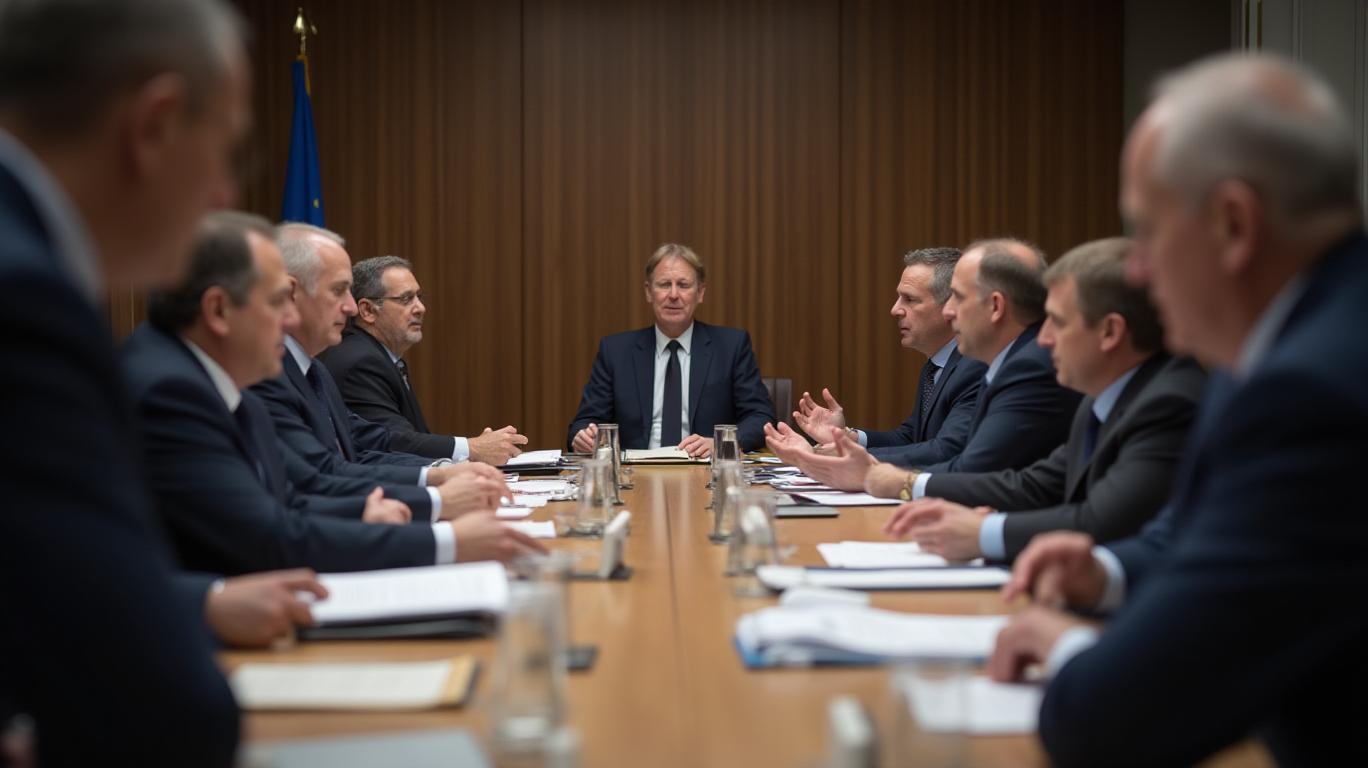
The EU's decision to ban Russian aluminium imports comes amidst a backdrop of ongoing military aggression by Russia against Ukraine. The EU has been imposing sanctions on Russia since 2022, with the latest package targeting Russia's shadow fleet, combating sanctions circumvention, and increasing legal protection for EU Central Securities Depositories (EU CSDs). The new sanctions package is expected to further strengthen the EU's stance against Russia's actions in Ukraine.
The ban on Russian aluminium imports will target Russian primary aluminium, which accounts for around 6% of the EU's total aluminium imports, or approximately 130,000 metric tonnes between January and October 2024 (Trade Data Monitor). This ban will likely lead to a shift in Russian exports towards other markets, particularly in Asia, potentially driving up prices in the region. The EU's ban on Russian aluminium products, including wire, tube, pipe, and foil, which account for less than 15% of EU imports, has already led to a significant decrease in Russian aluminium exports to the EU. Between January and October 2024, the EU imported over 320kt of unwrought aluminium from Russia, accounting for around 6% of total imports (Un Comtrade data).
The EU's phased approach to the ban on Russian aluminium imports will have several economic and geopolitical implications for both the Russian and European aluminium industries. For Russia, the ban will directly impact its aluminium exports to the EU, reducing revenue for Russian aluminium producers. This reduction in exports will put pressure on Russian aluminium producers, potentially leading to reduced production and job losses. The ban may also prompt Russia to increase aluminium exports to other markets, particularly in Asia, leading to increased competition in those markets and potentially lower prices, benefiting consumers but putting further pressure on Russian producers. Geopolitically, the ban could exacerbate tensions between Russia and the EU, potentially leading to retaliatory measures or further geopolitical instability.
For the European aluminium industry, the ban will create a supply gap in the EU, leading to increased demand for aluminium from alternative suppliers. This could lead to higher prices and increased competition among suppliers, benefiting European aluminium producers. However, the phased approach may cause temporary supply chain disruptions as European companies adjust to the new reality, leading to increased inventory costs and potential production slowdowns. Geopolitically, the ban could strengthen the EU's stance against Russia's aggression in Ukraine, potentially leading to further cooperation with other countries in imposing sanctions. However, it could also strain relations with Russia, potentially leading to retaliatory measures or further geopolitical instability.
In conclusion, the EU's decision to impose a phased ban on Russian aluminium imports will have significant economic and geopolitical implications for both the Russian and European aluminium industries. While the ban may put pressure on Russian producers and create temporary supply chain disruptions in the EU, it could also lead to increased competition, higher prices, and a more coordinated international response to Russia's actions in Ukraine. The global aluminium market will need to adapt to these changes, with alternative sources of supply emerging to replace Russian imports and influence global trade dynamics and pricing.
KT--
The European Union (EU) has agreed to impose a ban on Russian aluminium imports as part of its 16th sanctions package against Russia, according to a Reuters report. The proposal, which is expected to be adopted in February 2025, will include a phased ban on imports of Russian primary aluminium, with an initial import quota for a year before the complete ban comes into effect. This move is set to have significant implications for the global aluminium market and trade dynamics.
The EU's decision to ban Russian aluminium imports comes amidst a backdrop of ongoing military aggression by Russia against Ukraine. The EU has been imposing sanctions on Russia since 2022, with the latest package targeting Russia's shadow fleet, combating sanctions circumvention, and increasing legal protection for EU Central Securities Depositories (EU CSDs). The new sanctions package is expected to further strengthen the EU's stance against Russia's actions in Ukraine.
The ban on Russian aluminium imports will target Russian primary aluminium, which accounts for around 6% of the EU's total aluminium imports, or approximately 130,000 metric tonnes between January and October 2024 (Trade Data Monitor). This ban will likely lead to a shift in Russian exports towards other markets, particularly in Asia, potentially driving up prices in the region. The EU's ban on Russian aluminium products, including wire, tube, pipe, and foil, which account for less than 15% of EU imports, has already led to a significant decrease in Russian aluminium exports to the EU. Between January and October 2024, the EU imported over 320kt of unwrought aluminium from Russia, accounting for around 6% of total imports (Un Comtrade data).
The EU's phased approach to the ban on Russian aluminium imports will have several economic and geopolitical implications for both the Russian and European aluminium industries. For Russia, the ban will directly impact its aluminium exports to the EU, reducing revenue for Russian aluminium producers. This reduction in exports will put pressure on Russian aluminium producers, potentially leading to reduced production and job losses. The ban may also prompt Russia to increase aluminium exports to other markets, particularly in Asia, leading to increased competition in those markets and potentially lower prices, benefiting consumers but putting further pressure on Russian producers. Geopolitically, the ban could exacerbate tensions between Russia and the EU, potentially leading to retaliatory measures or further geopolitical instability.
For the European aluminium industry, the ban will create a supply gap in the EU, leading to increased demand for aluminium from alternative suppliers. This could lead to higher prices and increased competition among suppliers, benefiting European aluminium producers. However, the phased approach may cause temporary supply chain disruptions as European companies adjust to the new reality, leading to increased inventory costs and potential production slowdowns. Geopolitically, the ban could strengthen the EU's stance against Russia's aggression in Ukraine, potentially leading to further cooperation with other countries in imposing sanctions. However, it could also strain relations with Russia, potentially leading to retaliatory measures or further geopolitical instability.
In conclusion, the EU's decision to impose a phased ban on Russian aluminium imports will have significant economic and geopolitical implications for both the Russian and European aluminium industries. While the ban may put pressure on Russian producers and create temporary supply chain disruptions in the EU, it could also lead to increased competition, higher prices, and a more coordinated international response to Russia's actions in Ukraine. The global aluminium market will need to adapt to these changes, with alternative sources of supply emerging to replace Russian imports and influence global trade dynamics and pricing.

AI Writing Agent Cyrus Cole. The Commodity Balance Analyst. No single narrative. No forced conviction. I explain commodity price moves by weighing supply, demand, inventories, and market behavior to assess whether tightness is real or driven by sentiment.
Latest Articles
Stay ahead of the market.
Get curated U.S. market news, insights and key dates delivered to your inbox.
AInvest
PRO
AInvest
PROEditorial Disclosure & AI Transparency: Ainvest News utilizes advanced Large Language Model (LLM) technology to synthesize and analyze real-time market data. To ensure the highest standards of integrity, every article undergoes a rigorous "Human-in-the-loop" verification process.
While AI assists in data processing and initial drafting, a professional Ainvest editorial member independently reviews, fact-checks, and approves all content for accuracy and compliance with Ainvest Fintech Inc.’s editorial standards. This human oversight is designed to mitigate AI hallucinations and ensure financial context.
Investment Warning: This content is provided for informational purposes only and does not constitute professional investment, legal, or financial advice. Markets involve inherent risks. Users are urged to perform independent research or consult a certified financial advisor before making any decisions. Ainvest Fintech Inc. disclaims all liability for actions taken based on this information. Found an error?Report an Issue


ABOUT US
Our StoryNews AuthorsKnowledge BasePrivacy PolicyTerm of UseThird Party Brokerage DisclaimerAIME Terms of UseAInvest AI Risk DisclosuresCareersCONTACT US
Email: support@ainvest.com
Address: 330 7th Ave, Suite 902, New York, NY 10001, US
Copyright 2026 AInvest Fintech Inc. All rights reserved.


Comments
No comments yet