
EU Delays Retaliatory Tariffs on US Goods to Foster Negotiations
The European Union has decided to postpone the implementation of retaliatory tariffs on U.S. goods, which were originally scheduled to take effect on Monday. This decision comes as a strategic move to create an opportunity for negotiations with officials from the Trump administration. European Commission President Ursula von der Leyen announced this development, emphasizing the EU's preference for a negotiated solution over immediate retaliatory measures. The EU, which is the United States' largest trading partner and the world's largest trading bloc, had planned to impose "countermeasures" starting at midnight Brussels time on Monday. However, von der Leyen stated that these countermeasures would be delayed until August 1, providing a window for negotiations.
Von der Leyen's announcement followed a letter from President Donald Trump, which outlined new tariffs of 30% on goods from the EU and Mexico, effective from August 1. The EU's decision to delay its retaliatory tariffs is a clear indication of its willingness to engage in dialogue and find a mutually beneficial trade agreement. Von der Leyen highlighted that the EU has always favored a negotiated solution and is prepared to continue negotiations until the end of the month. If a deal cannot be reached, the EU will be ready to implement its countermeasures.
The EU's largest exports to the U.S. include pharmaceuticals, cars, aircraft, chemicals, medical instruments, and wine and spirits. These sectors are particularly vulnerable to the potential impact of tariffs, making the delay a strategic move to protect these industries. Italian Foreign Minister Antonio Tajani is scheduled to travel to Washington for talks with the U.S. administration and Congress. Tajani's office emphasized the need for negotiations to be conducted with a strong stance, reflecting the EU's determination to defend its interests.
The Trump administration has been known for its aggressive trade policies, often citing the need to address trade deficits and national security threats. Trump's letter to the EU underscored his belief that the U.S. trade deficit poses a national security risk. White House National Economic Council Director Kevin Hassett, in an interview, indicated that Trump is not satisfied with some of the draft trade agreements and is seeking better terms. This stance has created months of uncertainty for U.S. trade partners and companies worldwide, with deadlines for tariffs often being extended or changed.
The value of EU-U.S. trade in goods and services is significant, amounting to 1.7 trillion euros in 2024. This highlights the importance of resolving trade tensions to maintain economic stability. Trade ministers from EU countries are scheduled to meet to discuss trade relations with the U.S. and China, further emphasizing the EU's commitment to diversifying its trade relationships and seeking predictable and trust-based partnerships.
The EU's decision to delay retaliatory tariffs is a strategic move aimed at fostering negotiations and avoiding escalating trade tensions. By providing a window for dialogue, the EU hopes to reach a mutually beneficial trade agreement with the U.S., protecting its industries and maintaining economic stability. The outcome of these negotiations will have significant implications for global trade and the economies of both regions. 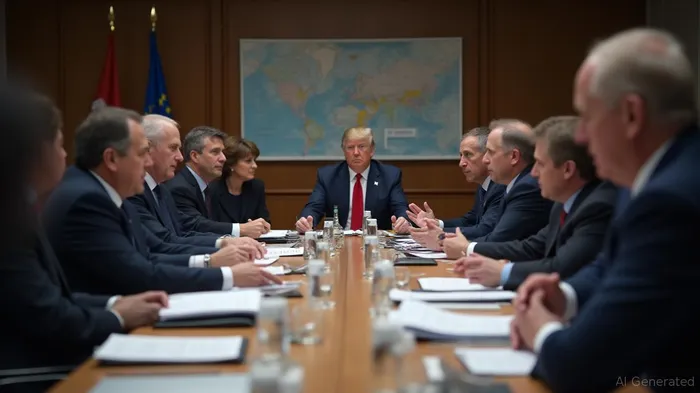

Stay ahead of the market.
Get curated U.S. market news, insights and key dates delivered to your inbox.






Comments
No comments yet