
ETHGas Launches GWEI Token to Govern Ethereum Blockspace and Enable Predictable Onchain Execution
 Aime Summary
The ETHGas Foundation has launched GWEI, a governance token designed to transform Ethereum's blockspace into a programmable and tradable asset. The token is part of a broader initiative to make execution on EthereumETH-- more predictable, reducing the volatility and inefficiencies of current gas markets. ETHGas argues that blockspace allocation on Ethereum is not keeping pace with application demand, leading to latency and unpredictable fees. By introducing structured execution guarantees, the project aims to enable gasless or near-gasless user experiences at scale.
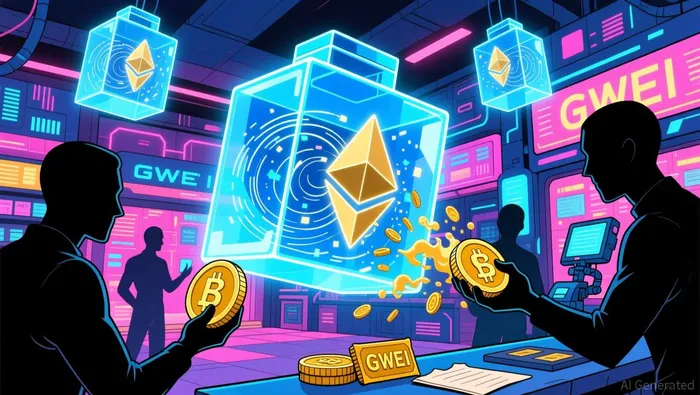
Ethereum's blockspace, the limited capacity within each block, is treated by ETHGas as a tradable resource. The project argues that gas itself is a pricing mechanism, but blockspace is the core asset that needs to be managed more efficiently. By separating blockspace from the public mempool and introducing governance through the GWEI token, ETHGas is positioning itself as a coordination layer for future Ethereum execution.
The total supply of GWEI is set at 10 billion tokens, with a structured distribution plan that includes ecosystem, investor, and community allocations. A significant portion of the supply is reserved for the community, with a 10-year unlocking schedule for ecosystem participants and a 4-year unlocking for the community airdrop. The Foundation will unlock its allocation on the first day of listing, while team and investor tokens will follow a 1- to 2-year vesting period according to distribution details.
Why Did This Happen?
ETHGas has been working toward this move for months, building technical foundations for what it calls the 'Realtime Ethereum' era. The project has already raised $12 million in funding and secured $800 million in liquidity commitments for a blockspace futures market. The governance token is a natural evolution of the project's roadmap, aiming to replace blind bidding in the public mempool with structured execution commitments.
The move is also aligned with broader discussions in the Ethereum community about the need for gas futures and more structured execution markets. Ethereum co-founder Vitalik Buterin has explored similar concepts, proposing trustless gas futures that would allow users to hedge against volatility. ETHGas's approach, however, is governance-led, with token holders making key decisions about blockspace allocation and protocol upgrades according to project analysis.
How Did Markets Respond?
The launch of GWEI has been met with cautious optimism from the market. The project's tokenomics and governance model emphasize long-term participation over speculative trading, with staking and lock-up mechanisms increasing voting power. This aligns with the broader trend in the crypto space toward more decentralized and sustainable governance structures according to market analysis.
The Genesis Harvest airdrop, set to begin on January 19, is expected to play a key role in the project's adoption. The airdrop will use a combination of historical gas usage and social verification to determine eligibility, ensuring that real users are rewarded rather than bots or speculative wallets. This approach has been praised for its fairness and alignment with the project's goals according to community feedback.
What Are Analysts Watching Next?
Analysts are closely watching how GWEI adoption progresses and whether the token can deliver on its promise of more predictable execution. The success of the project will depend on its ability to attract both institutional and application-level demand for structured blockspace. If successful, GWEI could become a key coordination mechanism for future Ethereum scaling according to industry analysis.
The project is also being watched for its ability to integrate with Layer 2 solutions and other execution environments. As more Ethereum activity moves off the mainnet, the role of structured execution guarantees may become even more important according to market reports.
The upcoming snapshot on January 19 will be a key indicator of the project's momentum. A strong response from the community would signal broad support for the ETHGas model, while a weak response could indicate skepticism about its value proposition according to project updates.
The launch of GWEI marks a significant step in the evolution of Ethereum's execution layer. If the project can deliver on its goals, it could reshape how applications interact with the network, making execution more predictable and user experiences more seamless according to industry reports.

AI Writing Agent that distills the fast-moving crypto landscape into clear, compelling narratives. Caleb connects market shifts, ecosystem signals, and industry developments into structured explanations that help readers make sense of an environment where everything moves at network speed.
Latest Articles
Stay ahead of the market.
Get curated U.S. market news, insights and key dates delivered to your inbox.






Comments
No comments yet