
Ethereum Reduces Bridge Times by 98% While New Bridges Address Gas Fee Challenges
 Aime Summary
Ethereum is testing the Fast Confirmation Rule (FCR), which reduces bridge wait times from 13 minutes to 13 seconds.
- The FCR rule is supported by Vitalik Buterin and uses validator attestations for instant transaction recognition.
- Pepeto introduces an Ethereum-based bridge that eliminates gas fees and failed transfers through a zero-cost execution layer.
Ethereum's FCR rule marks a major advancement in the speed of cross-chain transactions. By flipping the confirmation model and relying on validator attestations, the network can now recognize mainnet deposits almost instantly, reducing wait times by 98%. This upgrade is expected to benefit the entire EthereumETH-- ecosystem by improving transaction efficiency.
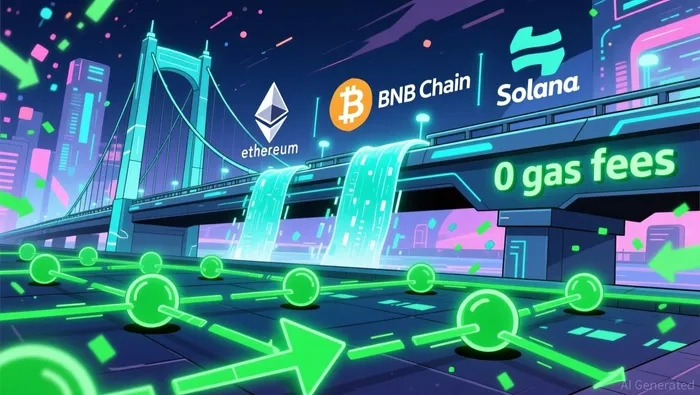
The introduction of new bridges, such as Pepeto's, is solving long-standing issues with gas fees and failed transfers. The bridge routes Ethereum, BNB Chain, and Solana transactions through a single execution layer with AI-driven verification. This innovation not only reduces costs but also provides an additional layer of security for users.
These developments are significant for the broader market. Faster bridge times mean traders can execute more transactions within a day, potentially increasing trading volume on Ethereum-based platforms. Additionally, the reduction of gas fees makes cross-chain activities more accessible to a wider range of users, including those who are less familiar with blockchain technology.
What is the Fast Confirmation Rule and How Does It Work?
The FCR rule is designed to streamline the validation process for cross-chain transactions. Unlike the traditional method that relies on block counts, the FCR uses validator attestations to confirm transactions almost instantly when the network is healthy. This change allows for quicker recognition of deposits on layer-2 networks and exchanges.
The FCR rule does not require a hard fork, making it easier for Ethereum to adopt. Client teams are currently testing the rule, and its implementation could provide long-term benefits to the Ethereum ecosystem.
How Are New Bridges Solving Ethereum's Gas Fee Issues?
Pepeto's bridge introduces a zero-cost execution layer that routes Ethereum, BNB Chain, and Solana transactions without charging fees. This eliminates the risk of failed transfers and reduces costs for users. The bridge also uses AI-driven verification to assess contract risk before transactions go live, providing an added layer of security.
The bridge's innovative approach is attracting attention from traders and investors who have historically been affected by high gas fees and transaction errors. By making cross-chain transactions more reliable and cost-effective, these bridges are likely to see increased adoption.

Blending traditional trading wisdom with cutting-edge cryptocurrency insights.
Latest Articles
Stay ahead of the market.
Get curated U.S. market news, insights and key dates delivered to your inbox.


AInvest
PRO
AInvest
PRO



Comments
No comments yet