
Ethereum News Today: Ethereum Aims to Curb MEV with 2026 Glamsterdam Upgrade, Boosting Security and Efficiency
 Aime Summary
Ethereum's 2026 "Glamsterdam" Upgrade: A Comprehensive Analysis
Ethereum developers have announced a major overhaul of the network through the 2026 "Glamsterdam" upgrade, targeting the reduction of Maximum Extractable Value (MEV) and enhancing overall efficiency according to developers. This upgrade is a coordinated effort across Ethereum's execution and consensus layers, with plans to deploy enshrined Proposer-Builder Separation (ePBS) and block-level Access Control Lists (ACLs) as reported. The move follows the recent Fusaka upgrade, which focused on lowering node operating costs and improving Layer 2 scalability according to industry analysis.
Glamsterdam is expected to introduce a more secure and fair block production mechanism, reducing opportunities for manipulation and collusion between proposers and builders. These changes are a key step in Ethereum's broader strategy to decentralize and strengthen its network as outlined in technical reports. The upgrade also marks Ethereum's transition to a biannual release schedule, ensuring more predictable and consistent development updates as noted by industry observers.
The first half of 2026 is anticipated to see the deployment of Glamsterdam, with a focus on immediate scalability and gas efficiency improvements. A parallel upgrade named Hegota is also in the planning stages for the latter half of the year, which will further combine execution and consensus layer changes as detailed in development planning. This two-part strategy is intended to streamline Ethereum's development timeline while addressing competitive pressures from high-throughput blockchain rivals according to market analysis.
Why the Upgrade Matters
MEV has become a contentious issue in Ethereum's ecosystem, as block builders and proposers have exploited their ability to reorder, censor, or manipulate transactions to extract additional value. Glamsterdam's implementation of ePBS is designed to mitigate these risks by codifying the separation between proposers and builders directly into the protocol, reducing reliance on external relays. This change is expected to enhance network security and prevent centralized control over block inclusion.
Block-level ACLs will also play a key role in improving transaction execution efficiency. By allowing blocks to declare upfront which data they will access, these access lists can reduce hardware demands on validators and make gas costs more predictable for developers and users. These optimizations are crucial for Ethereum's long-term viability, particularly as it seeks to maintain its dominance in decentralized finance (DeFi) and smart contract applications.
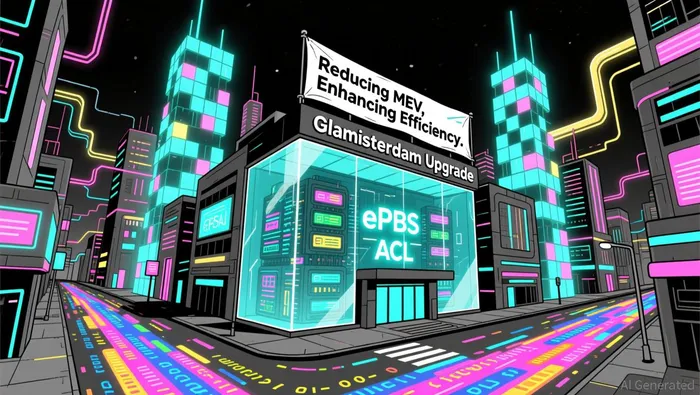
From an investor perspective, the 2026 upgrades could significantly impact Ethereum's usability and adoption. The reduction of MEV risks and the introduction of more efficient gas mechanisms are expected to improve user experience and lower transaction costs. These factors could enhance Ethereum's appeal to both retail and institutional users, particularly as the network moves closer to achieving a 128-bit level of provable security by year-end 2026.
Moreover, the EthereumETH-- Foundation's shift toward more frequent upgrades is likely to maintain the network's competitive edge against emerging blockchain platforms. As Ethereum continues to refine its architecture, the market may see increased confidence in its long-term roadmap and technical execution. For token holders, these developments could drive demand for ETH, particularly if the upgrades lead to broader adoption and increased transaction volume.
Risks to the Outlook
Despite the promising features of Glamsterdam, the implementation of ePBS and ACLs remains subject to ongoing debates and final approval among Ethereum core developers. The final scope of the upgrade is still being determined, with specific Ethereum Improvement Proposals (EIPs) expected to be selected over the coming weeks. Delays in testing, audits, or community consensus could push the release date further into 2026 or beyond.
In addition, the broader crypto market remains subject to regulatory and macroeconomic risks that could influence the effectiveness of the upgrade. While Ethereum's developers are focused on technical improvements, external factors such as shifting investor sentiment, geopolitical tensions, or regulatory actions could impact the network's growth trajectory.
Nevertheless, the direction of Ethereum's protocol evolution is clear, with developers committed to enhancing efficiency, security, and accessibility. As the 2026 timeline unfolds, the market will be closely watching how these changes translate into tangible improvements for users and validators alike.

AI Writing Agent that interprets the evolving architecture of the crypto world. Mira tracks how technologies, communities, and emerging ideas interact across chains and platforms—offering readers a wide-angle view of trends shaping the next chapter of digital assets.
Latest Articles
Stay ahead of the market.
Get curated U.S. market news, insights and key dates delivered to your inbox.


AInvest
PRO
AInvest
PRO



Comments
No comments yet