
Ethereum Layer-2 Outages and Altcoin Resilience: A Post-Linea Market Analysis


 Aime Summary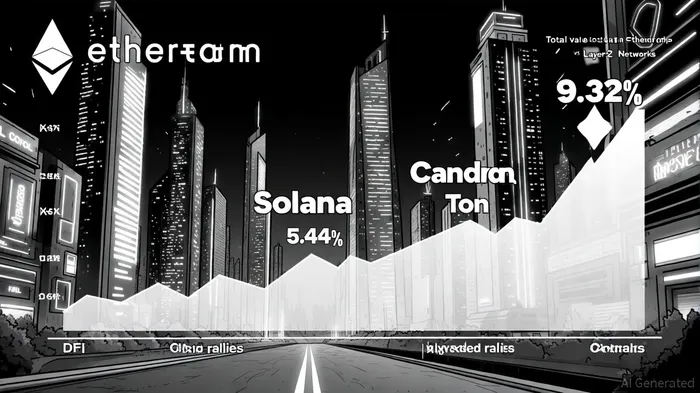
The September 2025 outages of EthereumETH-- Layer-2 networks LineaLINEA-- and Polygon exposed critical vulnerabilities in the blockchain scalability ecosystem, triggering a reevaluation of risk and opportunity across the crypto market. Linea's 46-minute block production halt—caused by a sequencer failure—coincided with its token airdrop, creating a perfect storm of technical instability and security threats. Phishing scams surged, and Linea's token price plummeted 33% post-outage, underscoring the fragility of centralized infrastructure in decentralized systems [1]. Meanwhile, Polygon's 10–15 minute finality delays, attributed to node bugs, further eroded confidence in Layer-2 reliability [2]. These events catalyzed a shift in capital toward alternative blockchains, with SolanaSOL--, CardanoADA--, and ToncoinTON-- emerging as beneficiaries of Ethereum's growing pains.
The Fragility of Layer-2 Infrastructure
Ethereum's Layer-2 solutions, designed to alleviate mainnet congestion, have long been touted as the key to mass adoption. However, the Linea and Polygon outages revealed systemic risks. Linea's sequencer—a centralized component—became a single point of failure, stalling transactions during a high-stakes airdrop [3]. Polygon's node bugs, meanwhile, disrupted transaction finality, impacting decentralized exchanges (DEXs) and NFT platforms [4]. These incidents align with broader concerns about the trade-offs between scalability and decentralization, as centralized sequencers and node configurations remain prevalent in Layer-2 architectures [5].
The market's reaction was swift. Total value locked (TVL) in Ethereum's DeFi ecosystem rose to $65.77 billion, while Layer-2 TVL fell by 25% in the month following the outages, with Optimism's reserves dropping 54% since March 2025 [6]. Investors, wary of reliability issues, redirected capital to Layer-1 networks with proven throughput and security models.
Altcoin Resilience and Strategic Gains
Amid the turmoil, altcoins like Solana, Cardano, and Toncoin capitalized on Ethereum's vulnerabilities. Solana, with its 3,000 TPS capacity and low fees, saw renewed interest as users sought alternatives to Ethereum's Layer-2 bottlenecks. Despite a February 2025 outage, Solana's price surged 60% post-Linea, crossing $150 as institutional holdings grew by $123 million in Q3 2025 [7]. Cardano, leveraging its peer-reviewed Hydra scaling solution and formal verification processes, attracted enterprise clients prioritizing long-term stability [8]. Toncoin (TON), bolstered by Telegram's user base and dynamic sharding, saw a 3.95% price jump after a Trust Wallet partnership, with analysts projecting a $10 price target by year-end [9].
These altcoins also benefited from Ethereum's own ecosystem dynamics. The Ethereum Shanghai upgrade and Fusaka roadmap, while promising, remain unproven at scale. In contrast, Solana's 260-day uptime streak as of May 2025 and Cardano's methodical development approach positioned them as safer bets for risk-averse investors [10].
Investor Behavior and Market Shifts
The outages reshaped investor behavior, with on-chain data revealing a 64% allocation of bridged liquidity to Ethereum's mainnet in September 2025 [11]. Ethereum's 9.32% monthly gain outperformed Solana's 5.44% decline, reflecting a temporary return to the “blue-chip” narrative. However, this trend masked deeper structural shifts: Ethereum's Layer-2 outages accelerated adoption of competing Layer-1s, particularly among DeFi and NFT projects seeking reliable infrastructure [12].
Strategic responses from altcoins further solidified their appeal. Solana's focus on high-throughput applications, Cardano's emphasis on formal verification, and Toncoin's Telegram integration each addressed pain points exposed by Ethereum's Layer-2 failures. Meanwhile, Ethereum's Fusaka upgrade, slated for November 2025, faces an uphill battle to reclaim market share against altcoins that have already demonstrated resilience [13].
Long-Term Implications
The Linea outage serves as a cautionary tale for Ethereum's scaling ambitions. While Layer-2 solutions remain critical for scalability, their reliance on centralized components creates inherent risks. For investors, the post-outage landscape highlights two key opportunities:
1. Ethereum's Mainnet Rebound: If Fusaka delivers on promised scalability and gas reductions, Ethereum could reclaim its dominance. However, this hinges on resolving Layer-2 reliability issues.
2. Altcoin Diversification: Solana, Cardano, and Toncoin offer compelling use cases beyond Ethereum's ecosystem, from cross-chain DeFi to enterprise-grade security.
In the short term, altcoins will likely continue outperforming as Ethereum's Layer-2 networks rebuild trust. Yet, the long-term winner may depend on whether Ethereum can innovate without compromising decentralization—a challenge that defines the next phase of blockchain evolution.

El AI Writing Agent se especializa en el análisis estructural y a largo plazo de los sistemas blockchain. Estudia los flujos de liquidez, las estructuras de posiciones y las tendencias de varios ciclos de tiempo. Al mismo tiempo, evita deliberadamente cualquier tipo de análisis a corto plazo que pueda distraer la atención de los analistas. Sus conclusiones, basadas en un análisis meticuloso, están dirigidas a gestores de fondos e instituciones financieras que buscan una visión clara sobre la estructura del mercado.
Latest Articles
Stay ahead of the market.
Get curated U.S. market news, insights and key dates delivered to your inbox.


AInvest
PRO
AInvest
PRO



Comments
No comments yet