
Ethereum Embarks on 2026 ZK-Proof Upgrade to Enhance Scalability and Security
 Aime Summary
Ethereum is implementing a zero-knowledge (ZK) proof-based validation system to reduce computational load and enhance scalability by replacing transaction re-execution with cryptographic verification according to MEXC.
- This shift is part of Ethereum's L1-zkEVM 2026 roadmap and is expected to allow higher gas limits and faster block validation as reported by AInvest.
- The system is optional, giving validators the choice to adopt the lighter verification method while maintaining network security according to TradingView.
Ethereum is undergoing one of the most significant changes in its history with the implementation of ZK-proof-based validation methods. The proposed system replaces the need for nodes to re-execute all transactions in a block with a cryptographic proof of execution as detailed by MEXC. This reduces the computational burden on individual nodes, which will allow for increased scalability and potentially higher gas limits according to AInvest. The upgrade is being driven by EIP-8025 and is set to become an official proposal soon as reported by MEXC.
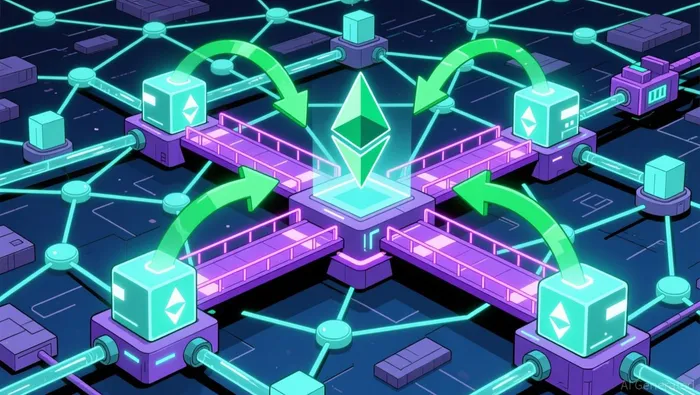
The new validation system is optional, which means that not all validators are required to use it immediately according to TradingView. This flexibility is intended to lower the hardware and technical requirements for running a validator, thereby promoting broader participation and improving client diversity according to TradingView. The first L1-zkEVM workshop is scheduled for February 11, 2026, to assess progress and outline next steps in the implementation as noted by TradingView.
The EthereumETH-- Foundation and the Security Alliance (SEAL) are collaborating to standardize threat intelligence in real-time to address phishing and wallet-draining attacks according to TradingView. This collaboration aims to blacklist malicious contracts and front-ends before they scale, emphasizing infrastructure strengthening rather than placing blame on users as reported by TradingView.
BMIC is also introducing a quantum-secure finance stack using ERC-4337 smart accounts with post-quantum cryptography to address future risks from quantum computing advancements according to TradingView. This approach ensures that even with quantum computing progress, signatures cannot be reverse-engineered, providing long-term security for users and investors as detailed by TradingView.
How Will ZKZK-- Proofs Affect Ethereum's Validator Infrastructure?
The ZK-proof system reduces the hardware and computational requirements for validating blocks, making it more feasible for individuals to run Ethereum nodes on standard consumer-grade hardware according to TradingView. This is a significant departure from earlier models, which increasingly required advanced technical equipment and centralized infrastructure as reported by AInvest.
By enabling optional proof-based validation, Ethereum ensures that the network can scale without compromising security or decentralization according to TradingView. This flexibility is crucial for attracting a diverse set of validator participants and preventing centralization due to high resource demands according to AInvest.
What Are the Broader Implications for Ethereum's Ecosystem?
The shift to ZK proofs is not only a technical upgrade but also a strategic move for Ethereum's future. By improving scalability and reducing the computational burden, Ethereum is better positioned to compete with newer blockchains that prioritize performance as reported by AInvest.
This development may also attract more institutional investors and developers to the Ethereum ecosystem, as it reduces entry barriers and enhances the overall efficiency of the network according to MEXC. The Ethereum Foundation's roadmap and ongoing collaborations with security partners are indicative of a broader effort to make the blockchain more robust and secure as noted by TradingView.
The success of these upgrades will depend on the adoption rate of the ZK-proof validation system and the ability of developers to implement it effectively. The upcoming L1-zkEVM workshops will play a critical role in evaluating progress and addressing any challenges that arise during implementation according to TradingView.

Blending traditional trading wisdom with cutting-edge cryptocurrency insights.
Latest Articles
Stay ahead of the market.
Get curated U.S. market news, insights and key dates delivered to your inbox.


AInvest
PRO
AInvest
PRO



Comments
No comments yet