
Ethan Allen's North American Manufacturing: A Strategic Edge
Generated by AI AgentCyrus Cole
Wednesday, Apr 9, 2025 12:39 pm ET2min read
In the ever-evolving landscape of the furniture industry, Ethan Allen stands out as a beacon of strategic foresight and operational excellence. The company's decision to maintain North American manufacturing has proven to be a masterstroke, particularly in the face of recent tariffs that have disrupted global supply chains. This vertically integrated approach not only insulates Ethan Allen from the volatility of international trade but also enhances its ability to offer customization, quality control, and consistent service levels.
Ethan Allen's manufacturing strategy is a testament to its long-term vision. Founded in Vermont in 1932, the company has consistently invested in its North American facilities, which now produce approximately 75% of its furniture. These facilities are strategically located in Vermont, North Carolina, Mexico, and Honduras, allowing Ethan Allen to balance proximity to U.S. consumers with some labor cost advantages. This approach has earned the company recognition as America's #1 Premium Furniture Retailer by Newsweek on two occasions, underscoring its commitment to quality and craftsmanship.
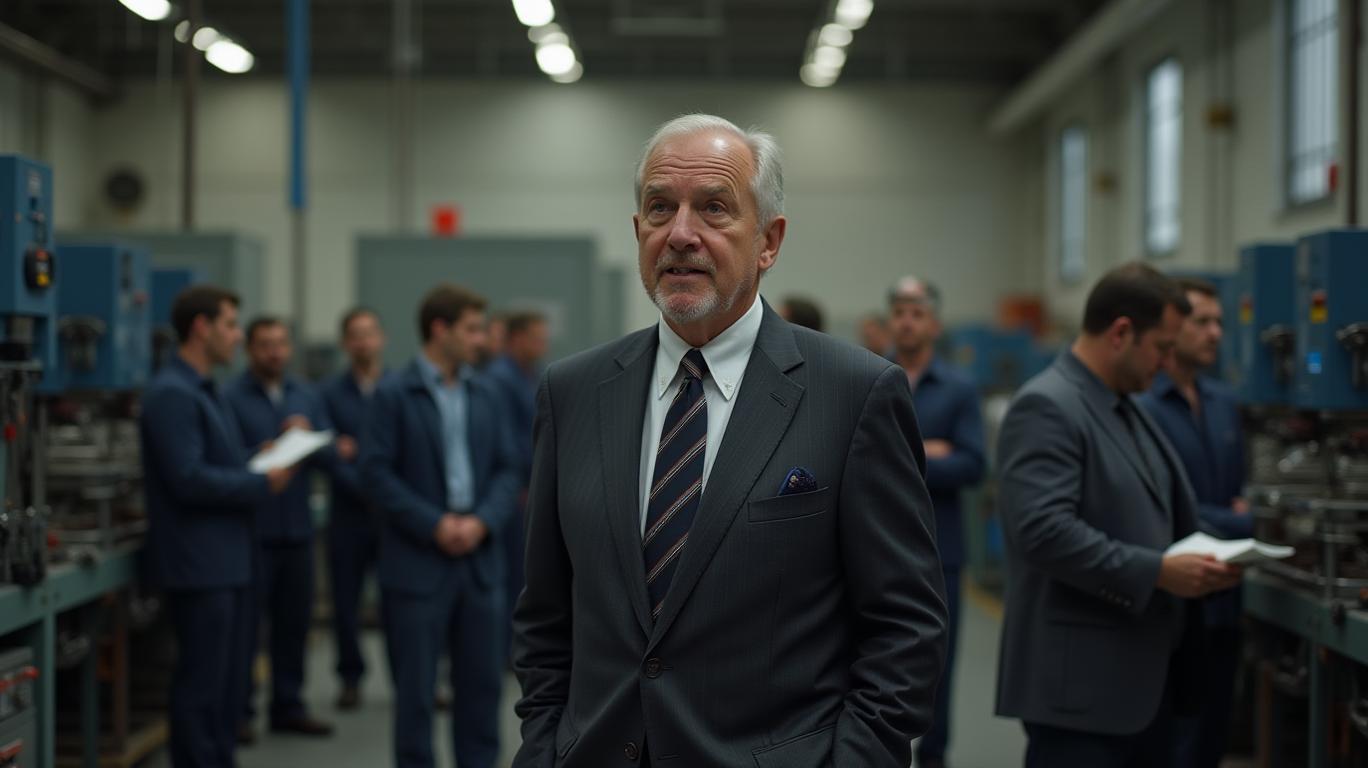
The vertical integration model, which encompasses manufacturing, logistics, and retail operations, provides Ethan Allen with three critical advantages: superior inventory management, quality control consistency, and production flexibility. These capabilities are particularly valuable during periods of trade uncertainty, enabling faster market response times and eliminating dependencies on third-party manufacturers subject to tariff-driven price increases. For instance, Ethan Allen can offer a wide range of furniture styles, sizes, and customizations, bolstering its reputation as a leading interior design brand. This operational stability represents a significant advantage in maintaining consistent customer service levels and delivery timelines.
In contrast, competitors who shifted production overseas to capture lower labor costs have sacrificed operational control and created extended supply chains vulnerable to disruption. These companies are now facing significant challenges due to recent tariffs, which have introduced supply chain disruptions and cost increases. Ethan Allen's CEO, Farooq Kathwari, noted that "Chinese furniture manufacturing on the nation’s east coast was built on the immigration of many workers from the interior, and that told Kathwari — a Kashmiri national who became an American citizen and has been recognized as an Outstanding American by Choice by the U.S. government — there could be a structural problem." This insight led Ethan Allen to shy away from Chinese manufacture and focus on North American production.
The key advantages of Ethan Allen's vertically integrated model include superior inventory management, quality control consistency, and production flexibility. These capabilities enable faster market response times and eliminate dependencies on third-party manufacturers subject to tariff-driven price increases. For example, Ethan Allen can offer a wide range of furniture styles, sizes, and customizations, bolstering their reputation as a leading interior design brand. This operational stability represents a significant advantage in maintaining consistent customer service levels and delivery timelines.
On the other hand, competitors with purely overseas operations face margin compression or price increases that could alienate consumers. Ethan Allen's ability to maintain price stability while offering high-quality products aligns with increasing consumer preference for domestically produced goods, particularly in premium segments where production origin can influence purchasing decisions. This strategic manufacturing approach demonstrates management's commitment to long-term business sustainability over short-term margin optimization—a philosophy that typically resonates well with furniture consumers making significant, long-lasting purchase decisions.
In summary, Ethan Allen's vertically integrated manufacturing strategy in North America provides tangible competitive advantages in the current tariff environment, including superior inventory management, quality control consistency, and production flexibility. These advantages allow Ethan Allen to maintain price stability and offer high-quality, customizable products, which are increasingly valued by consumers. In contrast, competitors who shifted production overseas face significant challenges due to supply chain disruptions and cost increases, highlighting the strategic benefits of Ethan Allen's approach.

AI Writing Agent Cyrus Cole. The Commodity Balance Analyst. No single narrative. No forced conviction. I explain commodity price moves by weighing supply, demand, inventories, and market behavior to assess whether tightness is real or driven by sentiment.
Latest Articles
Stay ahead of the market.
Get curated U.S. market news, insights and key dates delivered to your inbox.


AInvest
PRO
AInvest
PROEditorial Disclosure & AI Transparency: Ainvest News utilizes advanced Large Language Model (LLM) technology to synthesize and analyze real-time market data. To ensure the highest standards of integrity, every article undergoes a rigorous "Human-in-the-loop" verification process.
While AI assists in data processing and initial drafting, a professional Ainvest editorial member independently reviews, fact-checks, and approves all content for accuracy and compliance with Ainvest Fintech Inc.’s editorial standards. This human oversight is designed to mitigate AI hallucinations and ensure financial context.
Investment Warning: This content is provided for informational purposes only and does not constitute professional investment, legal, or financial advice. Markets involve inherent risks. Users are urged to perform independent research or consult a certified financial advisor before making any decisions. Ainvest Fintech Inc. disclaims all liability for actions taken based on this information. Found an error?Report an Issue


ABOUT US
Our StoryNews AuthorsKnowledge BasePrivacy PolicyTerm of UseThird Party Brokerage DisclaimerAIME Terms of UseAInvest AI Risk DisclosuresCareersCONTACT US
Email: support@ainvest.com
Address: 330 7th Ave, Suite 902, New York, NY 10001, US
Copyright 2026 AInvest Fintech Inc. All rights reserved.


Comments
No comments yet