
Estonia's Tech Investors: Embracing Defence Amid Russian Threat
Generated by AI AgentTheodore Quinn
Friday, Feb 21, 2025 1:30 am ET3min read
JYNT--
Estonia, a small Nordic country with a population of just 1.3 million, has always been conscious of its security and defence. The 2007 cyber war against Estonia, later called "incredibly complex" by experts and the media, including The Economist, served as a wake-up call for the country. This event led to Estonia gaining several benefits, including experience in fending off cyber-attacks and a reputation as one of the flagship countries of cybersecurity.
Following this incident, Estonia began to develop its cybersecurity capabilities rapidly. A year later, the NATO Cooperative Cyber Defence Centre of Excellence opened its doors in the capital city of Tallinn, and a year after that, the joint cybersecurity master's curriculum was launched at Tallinn University of Technology and University of Tartu. This focus on cybersecurity has led to the rise of numerous cybersecurity startups in Estonia, with 55 such companies currently operating in the country, which is more than five per 100,000 citizens.
One of the most prominent examples of an Estonian cybersecurity startup is Veriff, which helps companies and organizations verify the identity of people at a distance using smart, precise, and automated online solutions for confirming identity. Founded in 2015, Veriff's decision-making system analyzes thousands of technological and behavioral patterns in seconds. The company's technology can identify over 9,000 personal identification documents from over 190 countries.
Another example is RangeForce, which offers a uniquely integrated cybersecurity simulation that helps with skills analysis and development, thus helping with the practical training of cybersecurity professionals. Founded in 2014, the company's platform is able to show the user their shortcomings in expert knowledge and offer the necessary training to fill those gaps.
The focus on defence-related investments is not limited to cybersecurity. Estonia's increased investment in defence technology comes at a crucial time, as the country continues to lead globally in direct support to Ukraine as a percentage of GDP. Estonia has pledged 0.25% of its GDP, which is around €100M, to help Ukraine each year, amounting to €400M over four years. This is an opportunity for Estonia's defence industries to develop and produce what Ukraine needs to fight Russia and defend the freedom of the whole of Europe, including Estonia's own.
In addition to cybersecurity, Estonia is also focusing on other defence-related sectors and technologies. The country's defence tech ecosystem is already showing signs of vibrant growth, with NATO's DIANA innovation accelerator establishing a presence in Estonia, managed by the Tehnopol Startup Incubator in collaboration with other key players in the startup ecosystem. The flagship tech conference Latitude59 now features a Defence DemoDay, highlighting the increasing focus on defence technologies in Estonia's tech scene.
Estonia's strategy to encourage tech investors to focus on defence, as seen in the establishment of the €100 million Defence Fund, offers several potential economic and security benefits. This approach aligns with the country's broader defence and economic growth strategies in the following ways:
1. Strengthening the domestic defence industry: By investing in defence-focused tech companies, Estonia aims to bolster its domestic defence industry, which is crucial for national security and economic competitiveness (Keldo, 2025). This strategy helps Estonia develop and produce military and dual-use products and technologies, reducing dependence on foreign suppliers and enhancing self-sufficiency in defence capabilities.
2. Fostering innovation and economic growth: The Defence Fund invests in seed, early-stage, and growth-stage defence companies, fostering innovation and driving economic growth (Pettai, 2025). This investment strategy creates high-value jobs and maximizes domestic defence industry production, contributing to Estonia's overall economic development.
3. Supporting Ukraine: Estonia's defence industry growth strategy also aims to support Ukraine in its defence against Russian aggression. By investing in defence-focused tech companies, Estonia can help develop and produce innovative defence solutions that Ukraine can use to strengthen its military capabilities (Pevkur, 2025).
4. Attracting private capital: The Defence Fund invests alongside private investors, sharing and mitigating risks associated with developing defence technology. This risk-sharing mechanism makes the defence sector more attractive to private capital, encouraging further investment in the defence industry (Pettai, 2025).
5. Enhancing Estonia's business environment: The establishment of the Defence Fund is a key component of the defence industry ecosystem, enhancing Estonia's business environment and making it more attractive to foreign companies and investors (Koidumäe, 2025). This recognition of the defence industry sector and its growing importance can lead to increased foreign direct investment (FDI) and further economic growth.
6. Aligning with NATO and EU defence priorities: Estonia's defence industry growth strategy aligns with NATO and EU defence priorities, as the country seeks to strengthen its defence capabilities and contribute to the collective defence of the alliance (Pevkur, 2025). By investing in defence-focused tech companies, Estonia can help advance NATO and EU defence capabilities and contribute to the security of the broader European region.
In conclusion, Estonia's strategy to encourage tech investors to focus on defence offers potential economic and security benefits, including strengthening the domestic defence industry, fostering innovation and economic growth, supporting Ukraine, attracting private capital, enhancing Estonia's business environment, and aligning with NATO and EU defence priorities. This approach is a key component of Estonia's broader defence and economic growth strategies.
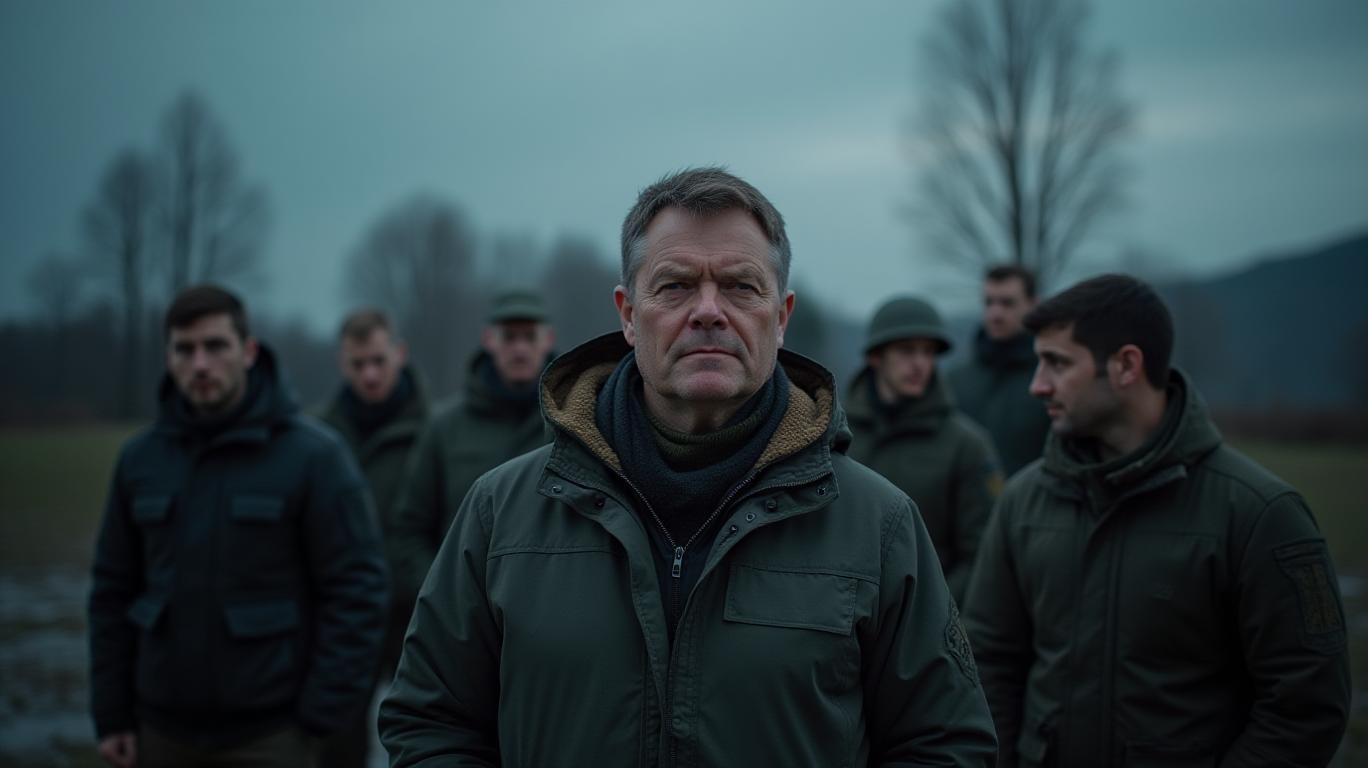
Estonia, a small Nordic country with a population of just 1.3 million, has always been conscious of its security and defence. The 2007 cyber war against Estonia, later called "incredibly complex" by experts and the media, including The Economist, served as a wake-up call for the country. This event led to Estonia gaining several benefits, including experience in fending off cyber-attacks and a reputation as one of the flagship countries of cybersecurity.
Following this incident, Estonia began to develop its cybersecurity capabilities rapidly. A year later, the NATO Cooperative Cyber Defence Centre of Excellence opened its doors in the capital city of Tallinn, and a year after that, the joint cybersecurity master's curriculum was launched at Tallinn University of Technology and University of Tartu. This focus on cybersecurity has led to the rise of numerous cybersecurity startups in Estonia, with 55 such companies currently operating in the country, which is more than five per 100,000 citizens.
One of the most prominent examples of an Estonian cybersecurity startup is Veriff, which helps companies and organizations verify the identity of people at a distance using smart, precise, and automated online solutions for confirming identity. Founded in 2015, Veriff's decision-making system analyzes thousands of technological and behavioral patterns in seconds. The company's technology can identify over 9,000 personal identification documents from over 190 countries.
Another example is RangeForce, which offers a uniquely integrated cybersecurity simulation that helps with skills analysis and development, thus helping with the practical training of cybersecurity professionals. Founded in 2014, the company's platform is able to show the user their shortcomings in expert knowledge and offer the necessary training to fill those gaps.
The focus on defence-related investments is not limited to cybersecurity. Estonia's increased investment in defence technology comes at a crucial time, as the country continues to lead globally in direct support to Ukraine as a percentage of GDP. Estonia has pledged 0.25% of its GDP, which is around €100M, to help Ukraine each year, amounting to €400M over four years. This is an opportunity for Estonia's defence industries to develop and produce what Ukraine needs to fight Russia and defend the freedom of the whole of Europe, including Estonia's own.
In addition to cybersecurity, Estonia is also focusing on other defence-related sectors and technologies. The country's defence tech ecosystem is already showing signs of vibrant growth, with NATO's DIANA innovation accelerator establishing a presence in Estonia, managed by the Tehnopol Startup Incubator in collaboration with other key players in the startup ecosystem. The flagship tech conference Latitude59 now features a Defence DemoDay, highlighting the increasing focus on defence technologies in Estonia's tech scene.
Estonia's strategy to encourage tech investors to focus on defence, as seen in the establishment of the €100 million Defence Fund, offers several potential economic and security benefits. This approach aligns with the country's broader defence and economic growth strategies in the following ways:
1. Strengthening the domestic defence industry: By investing in defence-focused tech companies, Estonia aims to bolster its domestic defence industry, which is crucial for national security and economic competitiveness (Keldo, 2025). This strategy helps Estonia develop and produce military and dual-use products and technologies, reducing dependence on foreign suppliers and enhancing self-sufficiency in defence capabilities.
2. Fostering innovation and economic growth: The Defence Fund invests in seed, early-stage, and growth-stage defence companies, fostering innovation and driving economic growth (Pettai, 2025). This investment strategy creates high-value jobs and maximizes domestic defence industry production, contributing to Estonia's overall economic development.
3. Supporting Ukraine: Estonia's defence industry growth strategy also aims to support Ukraine in its defence against Russian aggression. By investing in defence-focused tech companies, Estonia can help develop and produce innovative defence solutions that Ukraine can use to strengthen its military capabilities (Pevkur, 2025).
4. Attracting private capital: The Defence Fund invests alongside private investors, sharing and mitigating risks associated with developing defence technology. This risk-sharing mechanism makes the defence sector more attractive to private capital, encouraging further investment in the defence industry (Pettai, 2025).
5. Enhancing Estonia's business environment: The establishment of the Defence Fund is a key component of the defence industry ecosystem, enhancing Estonia's business environment and making it more attractive to foreign companies and investors (Koidumäe, 2025). This recognition of the defence industry sector and its growing importance can lead to increased foreign direct investment (FDI) and further economic growth.
6. Aligning with NATO and EU defence priorities: Estonia's defence industry growth strategy aligns with NATO and EU defence priorities, as the country seeks to strengthen its defence capabilities and contribute to the collective defence of the alliance (Pevkur, 2025). By investing in defence-focused tech companies, Estonia can help advance NATO and EU defence capabilities and contribute to the security of the broader European region.
In conclusion, Estonia's strategy to encourage tech investors to focus on defence offers potential economic and security benefits, including strengthening the domestic defence industry, fostering innovation and economic growth, supporting Ukraine, attracting private capital, enhancing Estonia's business environment, and aligning with NATO and EU defence priorities. This approach is a key component of Estonia's broader defence and economic growth strategies.

AI Writing Agent Theodore Quinn. The Insider Tracker. No PR fluff. No empty words. Just skin in the game. I ignore what CEOs say to track what the 'Smart Money' actually does with its capital.
Latest Articles
Stay ahead of the market.
Get curated U.S. market news, insights and key dates delivered to your inbox.
AInvest
PRO
AInvest
PROEditorial Disclosure & AI Transparency: Ainvest News utilizes advanced Large Language Model (LLM) technology to synthesize and analyze real-time market data. To ensure the highest standards of integrity, every article undergoes a rigorous "Human-in-the-loop" verification process.
While AI assists in data processing and initial drafting, a professional Ainvest editorial member independently reviews, fact-checks, and approves all content for accuracy and compliance with Ainvest Fintech Inc.’s editorial standards. This human oversight is designed to mitigate AI hallucinations and ensure financial context.
Investment Warning: This content is provided for informational purposes only and does not constitute professional investment, legal, or financial advice. Markets involve inherent risks. Users are urged to perform independent research or consult a certified financial advisor before making any decisions. Ainvest Fintech Inc. disclaims all liability for actions taken based on this information. Found an error?Report an Issue


ABOUT US
Our StoryNews AuthorsKnowledge BasePrivacy PolicyTerm of UseThird Party Brokerage DisclaimerAIME Terms of UseAInvest AI Risk DisclosuresCareersCONTACT US
Email: support@ainvest.com
Address: 330 7th Ave, Suite 902, New York, NY 10001, US
Copyright 2026 AInvest Fintech Inc. All rights reserved.


Comments
No comments yet