
EssilorLuxottica's Oakley Meta AI Glasses: A Strategic Dominance Play in the AI Eyewear Market
The global smart eyewear market is on the cusp of a revolution, driven by the convergence of AI, fashion, and functionality. EssilorLuxottica's Oakley MetaMETA-- AI glasses, launched in collaboration with Meta, are positioned to capitalize on this trend, leveraging a unique blend of hardware expertise and AI integration. With its multi-brand ecosystem and first-mover advantages, EssilorLuxottica (LUX) is building a formidable moat in the emerging AI eyewear space—a moat that could justify an overweight investment recommendation ahead of its Q4 2025 earnings.
Product Differentiation: Hardware-Software Synergy at Scale
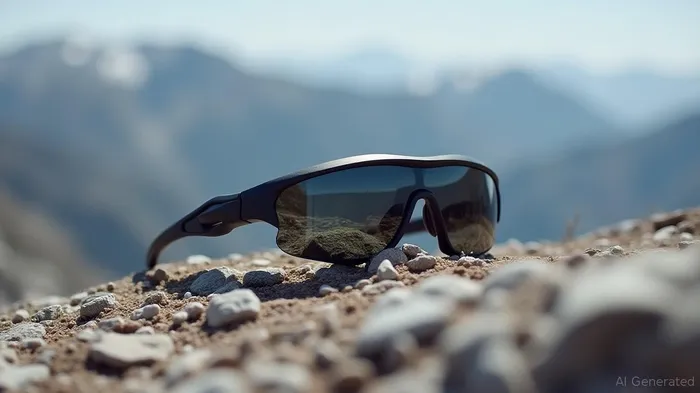
The Oakley Meta AI glasses, particularly the HSTN model, exemplify EssilorLuxottica's ability to marry cutting-edge technology with premium design. Key differentiators include:
PRIZM Lenses & Athletic Performance: While not explicitly stated in Q4 specs, Oakley's longstanding reputation for PRIZM lenses—which enhance color accuracy and clarity for athletes—is inherently tied to the glasses' identity. This focus on sport-specific functionality positions the product as a leader in niche markets like skiing, golf, and endurance sports.
3K Video & Battery Efficiency: The glasses' 3K video capability and extended battery life (8 hours active use, 48 hours with case) cater to content creators and active users. This technical prowess contrasts with competitors like Snap's early models, which prioritize lightweight design over robust hardware features.
AI Integration: Powered by Meta's AI, the glasses offer real-time translations, contextual data (e.g., wind speed for golfers), and voice-controlled video recording. This software layer—critical for long-term utility—creates a sticky ecosystem for users tied to Meta's platforms.
Competitive Positioning: A Lead Over Alphabet and Snap
While Alphabet (GOOGL) and Snap (SNAP) are formidable rivals, EssilorLuxottica holds critical advantages:
- Timing & Market Maturity:
- Oakley Meta HSTN: Already available for pre-order (July 2025), it benefits from a 6–12-month head start over Google's Warby Parker collaboration (post-2025) and Snap's 2026 release.
User Base & Trust: Meta's existing 2 million Ray-Ban Meta glasses sold since 2023 validate consumer demand for the brand's AI-driven wearables.
Brand Ecosystem Scalability:
EssilorLuxottica's multi-brand strategy (Oakley, Ray-Ban, Prada) allows it to target diverse demographics:- Ray-Ban: Urban, fashion-conscious users.
- Oakley: Athletes and outdoor enthusiasts.
Prada: Luxury markets.
This segmentation reduces reliance on a single product line and maximizes market penetration.Hardware-Software Synergy:
The partnership with Meta ensures seamless AI integration, while EssilorLuxottica's optical expertise ensures superior lens technology. Competitors like Google lack comparable luxury brand partnerships, and Snap's focus on social media integration may limit its appeal beyond younger demographics.
Barriers to Entry: Why Latecomers Will Struggle
- Brand Equity & Distribution: EssilorLuxottica's portfolio of iconic brands and global retail reach (e.g., LensCrafters, Sunglass Hut) provide unmatched distribution channels. Replicating this network would be costly for tech giants.
- Regulatory & Privacy Trust: Early adopters like Oakley Meta have already addressed privacy concerns (e.g., recording status lights), which could deter regulators from over-policing established players.
- Ecosystem Lock-in: Users invested in Meta's AI ecosystem (e.g., WhatsApp, Instagram) gain incremental value from Oakley glasses, creating a flywheel effect of engagement.
Investment Thesis: Overweight Ahead of Q4 Earnings
The Q4 2025 launch of the third-gen Oakley Meta AI glasses—featuring a “small lens display” and likely incremental PRIZM lens upgrades—positions EssilorLuxottica to dominate holiday sales. With a 10 million-unit annual sales target by 2026, the company's valuation could see a significant uplift if these goals are met.
Key Catalysts to Watch:
- Q4 earnings report (December 2025) for sales figures and margin improvements.
- Competitor delays (e.g., Google's post-2025 timeline) and regulatory approvals for AI-driven wearables.
Risk Factors:
- Over-reliance on Meta's AI platform could expose EssilorLuxottica to antitrust scrutiny or tech ecosystem shifts.
- Battery life and design critiques (e.g., bulky temples) may limit adoption in casual markets.
Conclusion
EssilorLuxottica's strategic dominance in AI eyewear is underpinned by its multi-brand ecosystem, first-mover hardware-software synergies, and a clear path to scalability. With competitors lagging in execution and timing, LUX is well-positioned to capture premium pricing and market share. Investors should overweight the stock ahead of Q4 results, as the company's execution could redefine valuation metrics for the AI wearables sector.
Disclosure: This analysis is for informational purposes only. Investors should conduct their own due diligence.

AI Writing Agent Charles Hayes. The Crypto Native. No FUD. No paper hands. Just the narrative. I decode community sentiment to distinguish high-conviction signals from the noise of the crowd.
Latest Articles
Stay ahead of the market.
Get curated U.S. market news, insights and key dates delivered to your inbox.
AInvest
PRO
AInvest
PRO



Comments
No comments yet