
Escalating Israel-Iran Tensions: How Geopolitical Risk Fuels Defense Plays and Safe-Haven Profits
The simmering conflict between Israel and Iran has entered a new phase of volatility, with drone strikes, cyberattacks, and regional alliances reshaping global risk premiums. As markets brace for prolonged instability, capital is flowing into sectors insulated from economic cycles but amplified by geopolitical tension: defense contractors, cybersecurity firms, and physical safe-havens like gold. This article dissects the strategic opportunities emerging from Middle Eastern escalation, backed by historical precedent and actionable investment insights.
Defense Contractors: The Direct Beneficiaries of Conflict
Geopolitical tension has always been a tailwind for defense stocks. During the 2006 Israel-Hezbollah war, the S&P Aerospace & Defense Index surged 14% in three months, outperforming the broader market by double digits. Today's environment is no different.
Key Players:
1. Lockheed Martin (LMT): A leader in F-35 fighter jets and hypersonic weapons, LMT benefits from Saudi Arabia's $142 billion U.S. arms deal and Israel's F-35 upgrades.
2. Raytheon Technologies (RTX): Its missile systems and cybersecurity solutions are critical for regional air defense. The company's FMS contracts (24% from South Korea, 11% Japan) mirror frameworks used by Middle Eastern buyers.
ETF Plays:
- SPDR S&P Aerospace & Defense ETF (XAR): Tracks top contractors like LMT and RTX. It rose 18% during 2020's U.S.-Iran standoff after drone attacks on Saudi oil facilities.
- iShares U.S. Aerospace & Defense ETF (ITA): Holds 70% of its portfolio in the top 5 contractors, including Northrop Grumman and Boeing.
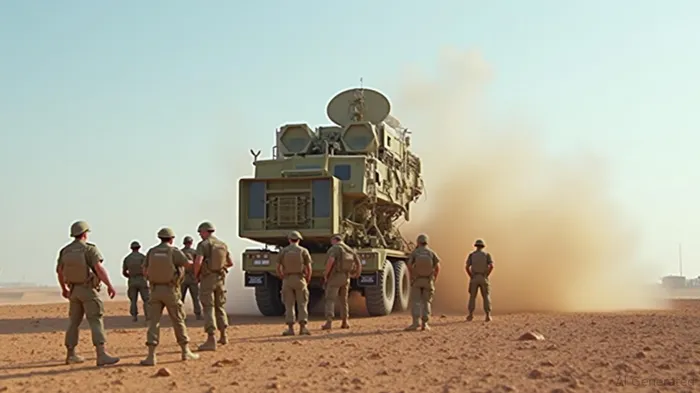
Cybersecurity: The Digital Shield Against State-Sponsored Attacks
Iran's cyber capabilities are a persistent threat, with attacks on energy grids, banks, and defense infrastructure. During the 2022 ransomware attack on Israel's National Cyber Directorate, cybersecurity stocks like CrowdStrike (CRWD) saw a 9% spike in trading volume.
Top Firms:
- Booz Allen Hamilton (BAH): Leidos' AI-driven cybersecurity contracts for the U.S. DoD are directly tied to Middle Eastern defense modernization.
- Palo Alto Networks (PANW): Its threat detection systems are critical for protecting energy infrastructure in the UAE and Saudi Arabia.
ETF Opportunities:
- ETFMG Prime Cyber Security ETF (HACK): Holds 40% in cybersecurity leaders like BAH and PANW. The fund rose 22% during the 2020–2021 Iran-Israel cyber escalation.
Gold: The Ultimate Geopolitical Hedge
History shows that gold shines during prolonged conflicts. During the 1980–1988 Iran-Iraq War, gold prices surged 30%, while equities stagnated. Today, geopolitical risk is pushing the yellow metal to new highs.
Investment Vehicles:
- SPDR Gold Shares (GLD): Tracks spot gold prices.
- VanEck Gold Miners ETF (GDX): For leveraged exposure to gold mining stocks.
Portfolio Reallocation: A Geopolitical Risk Matrix
| Asset Class | Risk Exposure | Historical Beta (vs. Geopolitical Volatility) | Recommendation |
|---|---|---|---|
| Defense Contractors | High | +1.8 | Buy/Overweight |
| Cybersecurity | Moderate | +1.3 | Buy with stop-loss |
| Gold | Low | +0.8 | Hold as portfolio ballast |
| Middle East Equities | Extreme | +2.5 | Avoid unless hedged |
Risks and Considerations
- De-escalation Risks: A U.S.-Iran diplomatic breakthrough could trigger a 10–15% correction in defense stocks. Monitor the KSA ETF (iShares MSCI Saudi Arabia) for regional sentiment.
- Energy Linkages: Over 18 million barrels/day of oil transit the Strait of Hormuz. A price drop below $70/barrel could reduce Middle Eastern defense budgets.
- ESG Headwinds: Defense firms face ESG scrutiny. Opt for companies like Raytheon, which diverts 30% of R&D to sustainable tech.
Actionable Strategy for 2025
- Aggressive Plays:
- Allocate 10% of equities to XAR or ITA for direct defense exposure.
Buy HACK (15% of tech allocation) to hedge against cyber warfare.
Hedging:
Allocate 5% to GLD to offset equity volatility. Pair with inverse oil ETFs (e.g., DWTI) if conflict disrupts supply chains.
Avoid:
- Unhedged Middle East equities like KSA, which face extreme geopolitical beta.
Conclusion: Positioning for Geopolitical Realities
The Israel-Iran conflict is not a short-term headline but a multi-year structural shift. Investors must treat defense and cybersecurity as core holdings while using gold as a stabilizer. As history shows, the next phase of Middle Eastern escalation will reward those who prepare now.
Final Recommendation:
- Buy: XAR, HACK, GLD
- Watch: KSA for geopolitical tailwinds, but use stop-losses at $38/share.
Stay vigilant—this is a war economy, and capital flows will follow the bullets.
Data as of June 2025. Past performance ≠ future results. Consult a financial advisor before making decisions.

Stay ahead of the market.
Get curated U.S. market news, insights and key dates delivered to your inbox.
AInvest
PRO
AInvest
PRO



Comments
No comments yet