
ERCOT's RTC+B and the Reshaped Value of Energy Storage Assets
 Aime Summary
A New Framework for Battery Valuation
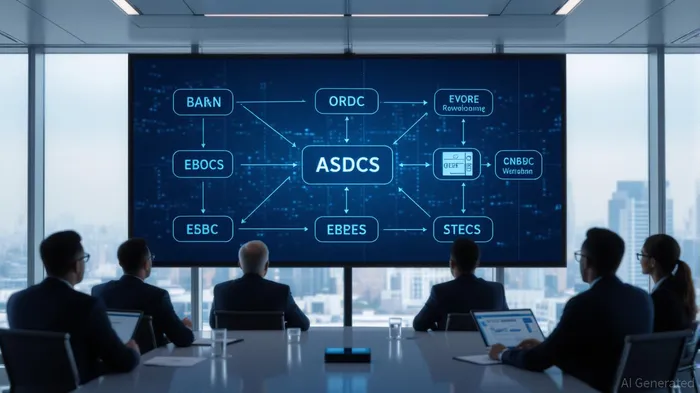
ERCOT's RTC+B framework replaces the legacy Operating Reserve Demand Curve (ORDC) with Ancillary Service Demand Curves (ASDCs), which provide granular pricing signals for specific ancillary services. This shift allows batteries to be modeled as unified assets with a state of charge, enabling them to submit combined Energy Bid-Offer Curves (EBOCs) that capture both charging and discharging capabilities. As a result, battery operators can dynamically adjust their positions in real time, responding to fluctuating energy demand and grid stability needs. According to a report by Resurety, this co-optimization is projected to reduce total system costs by 2.7% to 5.5% annually, translating to multi-billion-dollar savings for the ERCOT market.
However, the increased transparency and efficiency of RTC+B may also reduce the scarcity-driven premiums previously enjoyed by battery assets. By co-optimizing energy and ancillary services, the market could see lower volatility and fewer instances of premium pricing for backup resources. For investors, this duality-enhanced operational flexibility versus reduced scarcity value-requires a nuanced approach to asset valuation. The key lies in leveraging the new framework's ability to align day-ahead and real-time market prices, which could stabilize revenue streams while mitigating exposure to price spikes.
Hybrid Projects Gain Operational Flexibility
Hybrid energy projects, such as solar+storage or wind+storage, stand to benefit disproportionately from RTC+B's design. The framework's ability to treat batteries as unified assets eliminates the previous dual-resource model, streamlining market participation and reducing operational complexity. For instance, a solar+storage project can now submit a single EBOC that integrates both solar generation and battery dispatch, optimizing revenue across energy and ancillary services markets simultaneously.
Data from Enverus highlights that Texas has nearly doubled its battery capacity between 2023 and 2025, with hybrid projects accounting for a growing share of new developments. The co-optimization of energy and ancillary services under RTC+B further enhances the economic viability of these projects by enabling more precise resource deployment. For example, during periods of high wind output, batteries can store excess energy and later discharge it during demand peaks, avoiding curtailment and maximizing returns. This flexibility is particularly valuable in a market like ERCOT, where renewable penetration continues to rise and grid operators face increasing challenges in balancing supply and demand.
Strategic Investment Opportunities
The RTC+B framework creates a compelling case for strategic investment in battery storage and hybrid projects, but success hinges on aligning asset design with market signals. Investors should prioritize projects that:
1. Leverage EBOCs and ASDCs: Assets capable of submitting dynamic bid-offer curves will capture higher revenues by adapting to real-time market conditions according to YesEnergy.
2. Optimize Ancillary Services Participation: With ASDCs replacing ORDCs, batteries that can provide frequency regulation, voltage support, and other ancillary services will see enhanced value according to Resurety.
3. Integrate with Renewables: Hybrid projects that pair storage with solar or wind assets will benefit from synergies in revenue streams and operational efficiency according to ESS News.
According to a report by YesEnergy, the new framework is expected to drive over $1 billion in annual wholesale market savings, with hybrid projects positioned to capture a significant portion of these gains. However, investors must also account for potential risks, such as regulatory shifts or technological obsolescence, which could impact long-term returns.
Conclusion
ERCOT's RTC+B represents a transformative upgrade for Texas's energy market, redefining the value proposition of battery storage and hybrid projects. While the market design introduces new complexities, it also creates opportunities for investors to capitalize on enhanced operational flexibility, reduced costs, and diversified revenue streams. For those willing to navigate the evolving landscape with strategic foresight, the era of RTC+B offers a compelling case for long-term growth in energy storage.

Blending traditional trading wisdom with cutting-edge cryptocurrency insights.
Latest Articles
Stay ahead of the market.
Get curated U.S. market news, insights and key dates delivered to your inbox.






Comments
No comments yet