
The ERCOT RTC+B Launch and Its Impact on Energy Storage Valuation


 Aime Summary
A New Paradigm for Market Efficiency
ERCOT's RTC+B replaces the outdated practice of procuring ancillary services in the day-ahead market with a co-optimized real-time approach. By modeling batteries as single devices with a state of charge, the system enables dynamic dispatch decisions that align energy storage with grid needs in real time. This shift eliminates the need for batteries to maintain separate datasets for charging and discharging profiles, streamlining participation while enhancing operational flexibility. The integration of batteries into real-time pricing also introduces Ancillary Service Demand Curves (ASDCs), which replace the previous Operating Reserve Demand Curve and provide granular scarcity pricing for ancillary services.
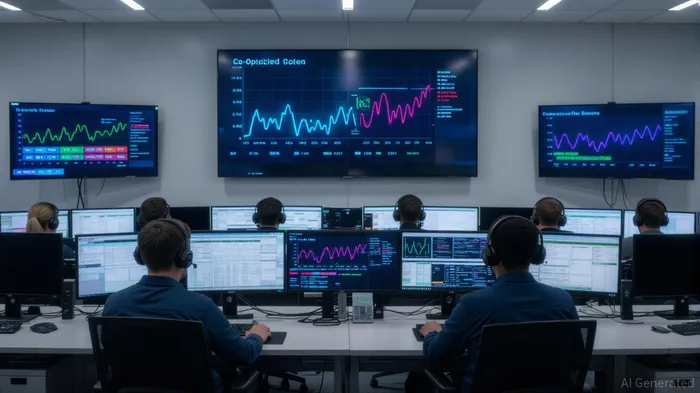 The economic benefits are staggering. According to ERCOT, the program is projected to deliver annual wholesale market savings of $2.5 to $6.4 billion by reducing inefficiencies and curbing renewable curtailment. For example, case studies highlight a 5.5% reduction in total system costs through optimized battery utilization during energy spikes. These savings are not just theoretical; they represent a tangible boost to grid reliability and a reduction in the cost of integrating intermittent renewables like wind and solar.
Revenue Models: Flexibility vs. Scarcity
For energy storage operators, the RTC+B model introduces a dual-edged sword. On one hand, the co-optimization framework enhances visibility and flexibility, allowing batteries to shift between energy and ancillary service roles dynamically. This could unlock new revenue streams, particularly in the real-time market, where precise state-of-charge management and ancillary service deployment factors become critical. On the other hand, the reduced scarcity of ancillary services-due to the expanded participation of batteries-may erode the premium prices historically commanded by storage assets.
Data from 2025 reveals that battery revenues in mature markets like ERCOT averaged below $45/kW-year, constrained by saturated ancillary service markets. While RTC+B's real-time price signals and dynamic dispatch could enhance the value proposition of batteries, operators must now contend with stricter performance standards and penalties for deviations from set points. This necessitates advanced tools for forecasting and compliance, adding operational complexity but also creating a barrier to entry for less sophisticated players.
Investment Risks and Strategic Opportunities
The RTC+B model reshapes the risk-return profile for clean energy investors. On the upside, the program's emphasis on real-time co-optimization aligns with the growing demand for grid resilience and decarbonization. By enabling faster responses to renewable forecast uncertainties, RTC+B supports the integration of solar and wind, which are critical to Texas's clean energy transition. For investors, this means batteries are no longer just ancillary service providers but essential infrastructure for balancing a renewable-dominated grid.
However, the transition is not without challenges. The increased operational complexity of managing state-of-charge constraints and real-time dispatch instructions requires significant capital for software and data infrastructure. Moreover, the shift from scarcity-based pricing to ASDC-driven markets could compress margins for storage operators, particularly in the short term. Investors must weigh these risks against the long-term potential of a market that prioritizes efficiency and scalability.
The Path Forward for Clean Energy Investors
The RTC+B launch underscores a broader trend: the convergence of energy storage and grid modernization. For strategic investors, the key lies in aligning capital with technologies and business models that thrive in this new paradigm. This includes:
1. Advanced Analytics: Investing in AI-driven tools for real-time forecasting and performance optimization to mitigate penalties and maximize revenue.
2. Diversified Revenue Streams: Leveraging the expanded market access to participate in both energy and ancillary service markets, hedging against price volatility.
3. Regulatory Agility: Staying ahead of evolving market rules, such as the Constraint Competitiveness Test (CCT), which now incorporates battery withdrawal capabilities into market power assessments.
As ERCOT's grid evolves, so too must the strategies of those who seek to profit from it. The RTC+B model is not just a technical milestone but a strategic inflection point for clean energy investors. Those who adapt to its demands-embracing complexity while capitalizing on efficiency-will find themselves at the forefront of a cleaner, more resilient energy future.

Blending traditional trading wisdom with cutting-edge cryptocurrency insights.
Latest Articles
Stay ahead of the market.
Get curated U.S. market news, insights and key dates delivered to your inbox.




Comments
No comments yet