
ERCOT Dashboard: How to Track Texas Power Grid Stability in Real Time
 Aime Summary
The Texas power grid is under increased stress due to a winter storm, prompting ERCOT to issue .
ERCOT has implemented post-2021 crisis reforms, including better-coordinated maintenance and a contingency reserve system, to improve grid resilience according to ERCOT claims.
Texans can monitor grid conditions in real time using ERCOT's Supply and Demand dashboard, which displays current and projected electricity usage and reserves as reported.
Texas' power grid is once again in the spotlight as a powerful winter storm moves in. The Electric Reliability Council of Texas (ERCOT) has activated a Weather Watch, and residents are encouraged to keep a close eye on grid conditions as demand rises and infrastructure faces cold-weather challenges. For retail investors and curious readers, the ERCOT dashboard is a vital tool for gauging stability and planning during such events. But how does it work, and what does it reveal about the grid's current state and future preparedness?
What Is the ERCOT Dashboard and Why Should You Care?
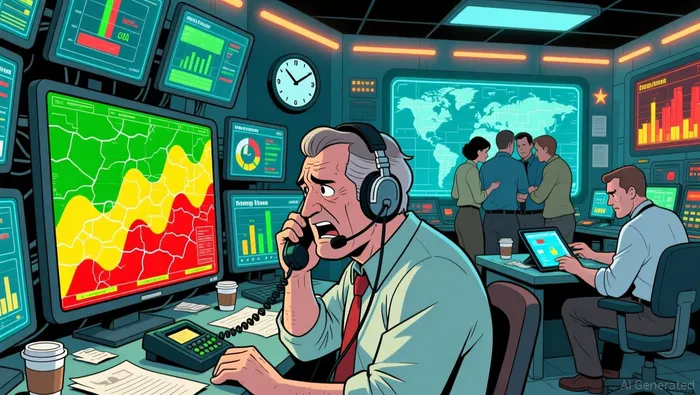
The ERCOT dashboard is a publicly accessible tool that provides real-time insights into the state of Texas' power grid. It includes metrics such as current electricity demand, power supply, and the level of reserves available to manage unexpected surges in usage. The grid's health is also visually represented through a color-coded system: green for normal conditions, yellow for energy conservation alerts, and orange, red, or black for emergency levels that could lead to controlled or rotating outages as explained.
This data is more than just technical—it directly impacts the lives of millions of Texans and indirectly affects national energy markets. With recent extreme weather events like in 2021 causing widespread outages and even fatalities, the grid's performance during winter is a critical concern. Investors and market participants must monitor these indicators to assess risk and potential ripple effects across the broader U.S. energy sector.
How to Use the ERCOT Dashboard During a Winter Storm
During periods of heightened demand, such as the current winter storm, the ERCOT dashboard becomes an essential tool for tracking grid conditions in real time. The dashboard provides more than just current metrics—it also shows projections based on weather forecasts and anticipated electricity use according to ERCOT data. This can help users anticipate potential shortages, plan for power conservation, and decide whether to reduce usage during peak demand times.
The dashboard also includes a reserve meter that signals when the grid is under stress. For example, , it triggers an Emergency Level 1 alert. The deeper the reserves dip, the higher the risk of controlled outages. Understanding these levels and their implications is crucial for both households and businesses trying to stay ahead of potential disruptions. ERCOT also provides historical data and explanations of each metric, making it a valuable educational and planning resource as detailed.
What the Future Holds for the Texas Grid
While the grid has improved significantly since the 2021 crisis, challenges remain. Cold-weather risks like frozen wind turbines and natural gas extraction shutdowns are still present, and the rising demand from data centers and other large energy users adds pressure on supply according to energy reports. Energy experts also warn that the worst power outages may occur after the storm passes, when accumulated ice and snow on power lines and trees increase the likelihood of infrastructure failures as noted.
For investors, the ERCOT dashboard is more than a monitoring tool—it's a barometer of energy infrastructure resilience and a window into the broader implications for the U.S. power grid. As climate change leads to more frequent and severe weather events, the lessons learned from Texas' grid reforms will become increasingly relevant for energy markets nationwide.
What to Watch Next
ERCOT's ability to manage demand and prevent outages during this winter storm will serve as a real-world test of its post-crisis upgrades. Investors should track updates on the grid's performance, especially as the storm's impact shifts from immediate weather effects to delayed infrastructure stress. The public response—such as voluntary conservation efforts—will also be a key factor in determining whether the grid remains stable or requires emergency interventions. Meanwhile, broader energy markets will keep an eye on how natural gas production and coal-fired power output respond to the strain, as these resources are critical to maintaining supply during peak demand.
For now, the ERCOT dashboard remains the most reliable source of up-to-date information. By understanding its metrics and alerts, investors, utilities, and everyday Texans can better prepare for what lies ahead.

Stay ahead of the market.
Get curated U.S. market news, insights and key dates delivered to your inbox.


AInvest
PRO
AInvest
PRO



Comments
No comments yet