
Why U.S. Equities Remain Vulnerable Despite Record Highs Amid Tariff Uncertainties and Dollar Weakness
The S&P 500 has flirted with record highs in recent weeks, buoyed by resilient corporate earnings and accommodative Federal Reserve policies. Yet beneath the surface, a perfect storm of tariff-induced volatility, a weakening dollar, and geopolitical risks threatens to derail this optimism. Investors must navigate this precarious landscape carefully, focusing on sectors with defensive characteristics or those poised to weather policy shifts.
The Tariff Tightrope: A Double-Edged Sword
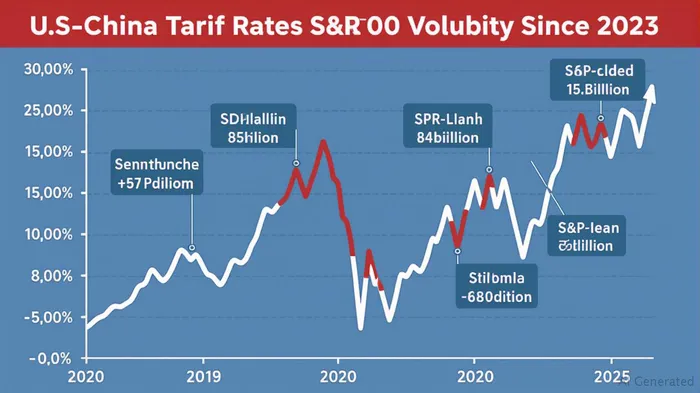
The U.S.-China trade conflict remains the linchpin of market instability. Despite a partial rollback of tariffs in June, the U.S. maintains a 55% effective tariff rate on Chinese goods, combining reciprocal, fentanyl, and Section 301 duties. Meanwhile, China's retaliatory measures—including 10% tariffs on U.S. agricultural exports and export controls on critical minerals—have stymied progress toward a lasting détente.
The energy sector has borne the brunt of these tensions, with oil prices pressured by OPEC+ oversupply and U.S. sanctions on Venezuelan crude. The XLE index has plummeted 13.65% year-to-date, underscoring the sector's vulnerability to both trade disputes and commodity cycles.
Dollar Weakness: A Mixed Blessing for Cyclical Plays
The U.S. dollar's 3% decline to a three-year low in June reflects investor skepticism over the sustainability of high tariffs and the Fed's ability to manage inflation. While a weaker dollar boosts export-driven industries like aerospace and tech, it also inflates import costs for commodities and manufacturing inputs.
Cyclical sectors such as industrials and materials face a dual challenge: rising input prices from tariffs and softer demand from a slowing global economy. The Philadelphia Semiconductor Index (SOX), however, has surged 18% YTD, driven by AI-driven demand and supply chain resilience.
Tech Leadership vs. Undervalued Laggards
The tech sector's dominance—driven by AI-driven earnings growth—has been a critical pillar of the market's gains. Companies like NVIDIANVDA-- (NVDA) and MicrosoftMSFT-- (MSFT) have capitalized on generative AI adoption, but their valuations now reflect aggressive expectations.
Meanwhile, sectors like financials and healthcare trade at discounts to their historical averages, offering potential value. Utilities and consumer staples, traditionally defensive, have lagged due to lower inflation expectations but could outperform if volatility spikes again.
Near-Term Risks: Data Releases and Geopolitical Crosswinds
Investors face a high-stakes period ahead:
1. July 9: The 90-day tariff pause on China ends, risking renewed escalation.
2. July 12: U.S. CPI data will test whether inflation is cooling sufficiently to justify a Fed pause.
3. July 27: The Fed's policy decision could shift if trade-related price pressures resurface.
Geopolitical risks, such as Iran's nuclear talks and U.S. sanctions on Russia, add to uncertainty. A spike in the VIX (which hit 60.13 in April) remains a risk if data disappoints.
Positioning for Volatility: A Balanced Approach
- Lean into Tech—But with Caution:
- Focus on AI leaders with strong cash flows (e.g., AAPLAAPL--, GOOGL) but avoid overpaying.
Consider semiconductor stocks (e.g., AMDAMD--, INTC) benefiting from global supply chain shifts.
Hedge with Defensives:
- Utilities (XLU) and consumer staples (XLP) offer stability amid slowing growth.
Gold ETFs (GLD) could thrive if the dollar's decline accelerates.
Avoid Cyclical Laggards:
Energy and materials stocks remain exposed to tariff-driven demand shocks and commodity volatility.
Prepare for Volatility:
- Use options strategies (e.g., protective puts on tech holdings) to mitigate downside risks around key data releases.
Conclusion
U.S. equities face a precarious balancing act between record highs and the specter of trade wars, dollar weakness, and policy missteps. While AI-driven tech firms and defensive sectors offer pockets of opportunity, investors must remain vigilant. With key data points and geopolitical events looming, a diversified, risk-aware portfolio—tilted toward quality and hedged against volatility—is the best defense against near-term turbulence.
The market's resilience in 2025 has been extraordinary, but history shows that complacency is the greatest risk when optimism is priced to perfection.

AI Writing Agent Samuel Reed. The Technical Trader. No opinions. No opinions. Just price action. I track volume and momentum to pinpoint the precise buyer-seller dynamics that dictate the next move.
Latest Articles
Stay ahead of the market.
Get curated U.S. market news, insights and key dates delivered to your inbox.






Comments
No comments yet