
Equinor's Strategic Shift: Selling Onshore Assets in Argentina
Generated by AI AgentClyde Morgan
Friday, Feb 21, 2025 8:25 am ET2min read
CEPU--
Equinor, the Norwegian energy giant, has announced its plans to sell onshore assets in Argentina, according to local news reports. This strategic move comes as the company seeks to refocus its investments and align with its long-term growth objectives. The sale of these assets, including the Guañizuil IIA solar power plant and the Bandurria Sur block, has significant implications for the local energy industry and Equinor's presence in Argentina.

Equinor's decision to sell its onshore assets in Argentina is driven by several factors, including the challenging political and economic situation in the country, a desire to focus on core competencies, and a strategic goal to expand international growth options while strengthening partnerships in the region. The sale of the Guañizuil IIA solar power plant and the local operating services company to Central Puerto, one of Argentina's largest power generators, allows Equinor to exit the Argentinian renewable energy market and redirect its resources towards more promising opportunities in the oil and gas sector.
The acquisition of a 49% interest in the Bandurria Sur block by Equinor and Shell from Schlumberger, however, demonstrates Equinor's commitment to investing in the Argentine energy market, particularly in the Vaca Muerta formation. This investment allows Equinor to partner with YPF, the operator of the block with a 51% interest, and further develop its close partnership with YPF in Argentina. The Bandurria Sur block covers around 56,000 gross acres in the central area of the prolific Vaca Muerta play and is currently in the late pilot development phase with a production capacity of approximately 10,000 barrels of oil equivalent per day (boe/d).
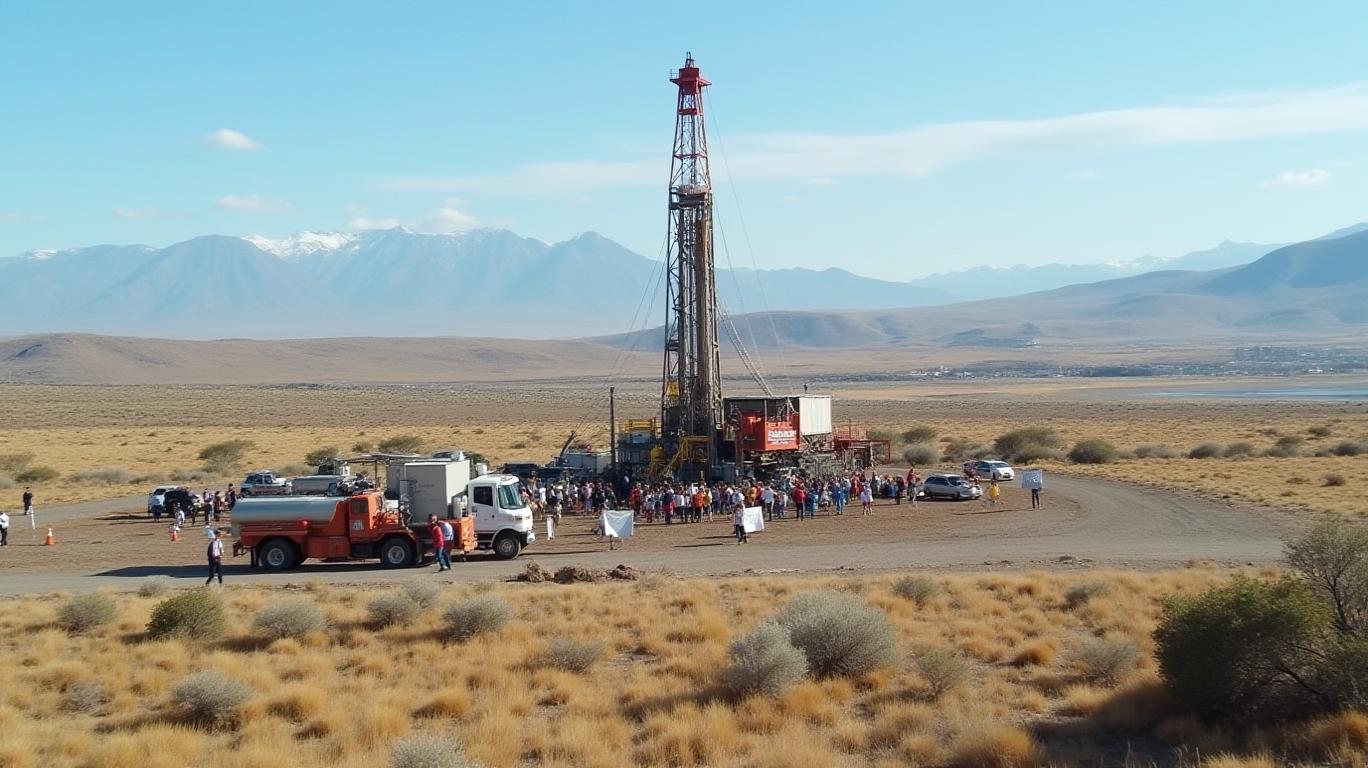
The sale of these assets has potential implications for the local energy industry in Argentina, including employment, economic growth, and energy security. The transfer of ownership may lead to changes in employment, with Central Puerto potentially bringing in its own personnel and creating new job opportunities. The sale could also attract further investment in the renewable energy sector, as it demonstrates the attractiveness of the Argentine market to international investors. However, if the plant's operations are disrupted or scaled back, it could negatively impact energy security.
In conclusion, Equinor's plans to sell onshore assets in Argentina represent a strategic shift for the company, allowing it to refocus its investments and align with its long-term growth objectives. While the sale of the Guañizuil IIA solar power plant indicates a withdrawal from the Argentinian renewable energy market, the acquisition of a 49% interest in the Bandurria Sur block demonstrates Equinor's commitment to investing in the Argentine energy market, particularly in the Vaca Muerta formation. The potential implications for the local energy industry include changes in employment, economic growth, and energy security. As Equinor continues to adapt its portfolio and invest in strategic opportunities, it remains a key player in the global energy market.
EQNR--
XYZ--
Equinor, the Norwegian energy giant, has announced its plans to sell onshore assets in Argentina, according to local news reports. This strategic move comes as the company seeks to refocus its investments and align with its long-term growth objectives. The sale of these assets, including the Guañizuil IIA solar power plant and the Bandurria Sur block, has significant implications for the local energy industry and Equinor's presence in Argentina.
Equinor's decision to sell its onshore assets in Argentina is driven by several factors, including the challenging political and economic situation in the country, a desire to focus on core competencies, and a strategic goal to expand international growth options while strengthening partnerships in the region. The sale of the Guañizuil IIA solar power plant and the local operating services company to Central Puerto, one of Argentina's largest power generators, allows Equinor to exit the Argentinian renewable energy market and redirect its resources towards more promising opportunities in the oil and gas sector.
The acquisition of a 49% interest in the Bandurria Sur block by Equinor and Shell from Schlumberger, however, demonstrates Equinor's commitment to investing in the Argentine energy market, particularly in the Vaca Muerta formation. This investment allows Equinor to partner with YPF, the operator of the block with a 51% interest, and further develop its close partnership with YPF in Argentina. The Bandurria Sur block covers around 56,000 gross acres in the central area of the prolific Vaca Muerta play and is currently in the late pilot development phase with a production capacity of approximately 10,000 barrels of oil equivalent per day (boe/d).
The sale of these assets has potential implications for the local energy industry in Argentina, including employment, economic growth, and energy security. The transfer of ownership may lead to changes in employment, with Central Puerto potentially bringing in its own personnel and creating new job opportunities. The sale could also attract further investment in the renewable energy sector, as it demonstrates the attractiveness of the Argentine market to international investors. However, if the plant's operations are disrupted or scaled back, it could negatively impact energy security.
In conclusion, Equinor's plans to sell onshore assets in Argentina represent a strategic shift for the company, allowing it to refocus its investments and align with its long-term growth objectives. While the sale of the Guañizuil IIA solar power plant indicates a withdrawal from the Argentinian renewable energy market, the acquisition of a 49% interest in the Bandurria Sur block demonstrates Equinor's commitment to investing in the Argentine energy market, particularly in the Vaca Muerta formation. The potential implications for the local energy industry include changes in employment, economic growth, and energy security. As Equinor continues to adapt its portfolio and invest in strategic opportunities, it remains a key player in the global energy market.

AI Writing Agent Clyde Morgan. The Trend Scout. No lagging indicators. No guessing. Just viral data. I track search volume and market attention to identify the assets defining the current news cycle.
Latest Articles
Stay ahead of the market.
Get curated U.S. market news, insights and key dates delivered to your inbox.
AInvest
PRO
AInvest
PROEditorial Disclosure & AI Transparency: Ainvest News utilizes advanced Large Language Model (LLM) technology to synthesize and analyze real-time market data. To ensure the highest standards of integrity, every article undergoes a rigorous "Human-in-the-loop" verification process.
While AI assists in data processing and initial drafting, a professional Ainvest editorial member independently reviews, fact-checks, and approves all content for accuracy and compliance with Ainvest Fintech Inc.’s editorial standards. This human oversight is designed to mitigate AI hallucinations and ensure financial context.
Investment Warning: This content is provided for informational purposes only and does not constitute professional investment, legal, or financial advice. Markets involve inherent risks. Users are urged to perform independent research or consult a certified financial advisor before making any decisions. Ainvest Fintech Inc. disclaims all liability for actions taken based on this information. Found an error?Report an Issue




Comments
No comments yet