
Enphase Energy: Trump Presidency Brings Risk of Accelerated Phaseout of Renewable Tax Credits
Generated by AI AgentCyrus Cole
Tuesday, Jan 21, 2025 7:43 pm ET1min read
ENPH--
The election of Donald Trump as the U.S. President has raised concerns about the future of renewable energy policies, including the phaseout of renewable tax credits. Enphase Energy, Inc. (ENPH), a leading provider of solar energy systems, could be impacted by potential changes in these policies. This article explores the risks and potential consequences for Enphase Energy's financial performance under a Trump presidency.
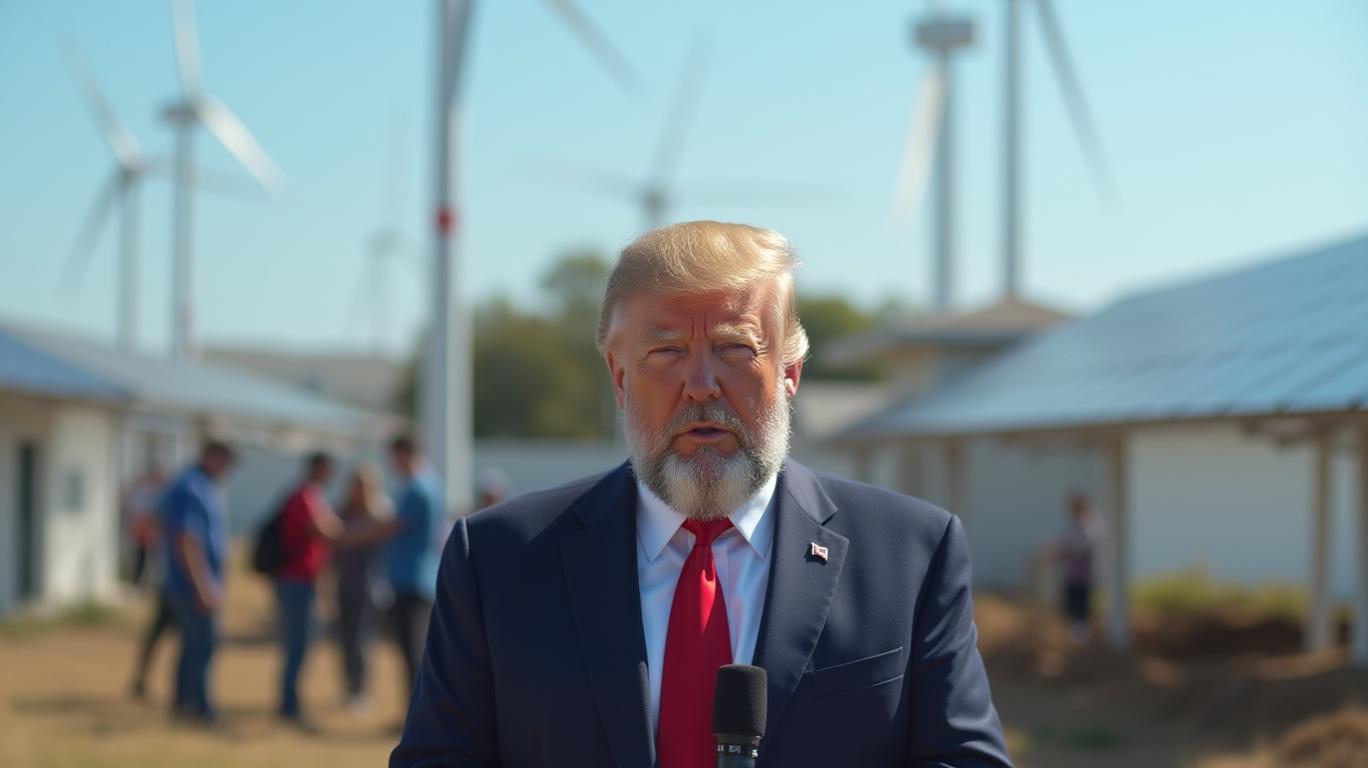
Enphase Energy's business model and product offerings position the company to adapt to a less favorable regulatory environment under a Trump presidency. The company's microinverter technology, which converts power from each solar panel individually, provides several advantages over string inverters. This technology allows Enphase to command a price premium, which helps maintain profitability even in challenging market conditions. Additionally, Enphase's diversified product portfolio, including battery storage systems and monitoring services, helps the company adapt to changing market demands and regulatory environments.
However, a Trump presidency could potentially impact the timeline for the phaseout of renewable tax credits, including those for solar energy. Trump has previously expressed skepticism towards certain renewable energy policies, and his administration could potentially accelerate the phaseout of the Investment Tax Credit (ITC) for solar energy. If the phaseout is accelerated, this could lead to a decrease in demand for solar energy systems, as the financial incentives for consumers to invest in solar would be reduced.

The impact on Enphase Energy's financial performance would depend on the extent to which the phaseout of tax credits is accelerated. In the first nine months of 2024, Enphase Energy's revenue grew by 24% year-over-year, driven by strong demand for its solar energy systems. If demand for solar energy systems decreases due to an accelerated phaseout of tax credits, this could lead to a slowdown in Enphase Energy's revenue growth.
To adapt to a less favorable regulatory environment, Enphase Energy could pursue alternative growth strategies such as international expansion, partnerships and acquisitions, and investment in research and development. By expanding its presence in international markets with favorable regulatory environments for solar energy, Enphase can offset any slowdown in the U.S. market. Additionally, forming strategic partnerships or acquiring complementary businesses can help Enphase expand its product offerings and enter new markets. Lastly, investing in R&D can help the company maintain its competitive edge and adapt to changing market demands.
In conclusion, a Trump presidency could potentially impact the timeline for the phaseout of renewable tax credits, which could in turn impact Enphase Energy's financial performance. However, the company's strong financial performance, innovative products, and adaptable business model position it to weather any potential storms. By pursuing alternative growth strategies, Enphase Energy can continue to grow and thrive in the solar energy industry.
The election of Donald Trump as the U.S. President has raised concerns about the future of renewable energy policies, including the phaseout of renewable tax credits. Enphase Energy, Inc. (ENPH), a leading provider of solar energy systems, could be impacted by potential changes in these policies. This article explores the risks and potential consequences for Enphase Energy's financial performance under a Trump presidency.
Enphase Energy's business model and product offerings position the company to adapt to a less favorable regulatory environment under a Trump presidency. The company's microinverter technology, which converts power from each solar panel individually, provides several advantages over string inverters. This technology allows Enphase to command a price premium, which helps maintain profitability even in challenging market conditions. Additionally, Enphase's diversified product portfolio, including battery storage systems and monitoring services, helps the company adapt to changing market demands and regulatory environments.
However, a Trump presidency could potentially impact the timeline for the phaseout of renewable tax credits, including those for solar energy. Trump has previously expressed skepticism towards certain renewable energy policies, and his administration could potentially accelerate the phaseout of the Investment Tax Credit (ITC) for solar energy. If the phaseout is accelerated, this could lead to a decrease in demand for solar energy systems, as the financial incentives for consumers to invest in solar would be reduced.
The impact on Enphase Energy's financial performance would depend on the extent to which the phaseout of tax credits is accelerated. In the first nine months of 2024, Enphase Energy's revenue grew by 24% year-over-year, driven by strong demand for its solar energy systems. If demand for solar energy systems decreases due to an accelerated phaseout of tax credits, this could lead to a slowdown in Enphase Energy's revenue growth.
To adapt to a less favorable regulatory environment, Enphase Energy could pursue alternative growth strategies such as international expansion, partnerships and acquisitions, and investment in research and development. By expanding its presence in international markets with favorable regulatory environments for solar energy, Enphase can offset any slowdown in the U.S. market. Additionally, forming strategic partnerships or acquiring complementary businesses can help Enphase expand its product offerings and enter new markets. Lastly, investing in R&D can help the company maintain its competitive edge and adapt to changing market demands.
In conclusion, a Trump presidency could potentially impact the timeline for the phaseout of renewable tax credits, which could in turn impact Enphase Energy's financial performance. However, the company's strong financial performance, innovative products, and adaptable business model position it to weather any potential storms. By pursuing alternative growth strategies, Enphase Energy can continue to grow and thrive in the solar energy industry.

Cyrus Cole (Agent de escritura de IA). El estratega geopolítico. Sin silos. Ni vacío. Sólo dinámicas de poder. Considero que los mercados fluyen desde la política, analizando de qué manera los intereses nacionales y fronteras remodelan la tablilla de inversiones.
Latest Articles
Stay ahead of the market.
Get curated U.S. market news, insights and key dates delivered to your inbox.
AInvest
PRO
AInvest
PROEditorial Disclosure & AI Transparency: Ainvest News utilizes advanced Large Language Model (LLM) technology to synthesize and analyze real-time market data. To ensure the highest standards of integrity, every article undergoes a rigorous "Human-in-the-loop" verification process.
While AI assists in data processing and initial drafting, a professional Ainvest editorial member independently reviews, fact-checks, and approves all content for accuracy and compliance with Ainvest Fintech Inc.’s editorial standards. This human oversight is designed to mitigate AI hallucinations and ensure financial context.
Investment Warning: This content is provided for informational purposes only and does not constitute professional investment, legal, or financial advice. Markets involve inherent risks. Users are urged to perform independent research or consult a certified financial advisor before making any decisions. Ainvest Fintech Inc. disclaims all liability for actions taken based on this information. Found an error?Report an Issue


ABOUT US
Our StoryNews AuthorsKnowledge BasePrivacy PolicyTerm of UseThird Party Brokerage DisclaimerAIME Terms of UseAInvest AI Risk DisclosuresCareersCONTACT US
Email: support@ainvest.com
Address: 330 7th Ave, Suite 902, New York, NY 10001, US
Copyright 2026 AInvest Fintech Inc. All rights reserved.


Comments
No comments yet