
Energy Utility Regulation and Rate Hikes: Xcel Energy's Colorado Request and Investor Implications


 Aime Summary
Regulatory Pressures and Inflationary Stress
Xcel Energy's request to raise Colorado electricity rates by 10% is emblematic of a sector-wide struggle to balance infrastructure needs with affordability. The utility attributes the hike to costs incurred over the past three years, including grid modernization, clean energy investments, and wildfire mitigation. These expenses are part of a larger trend: 57 utilities in Colorado are seeking rate increases in 2025, driven by rising labor and material costs, as well as the transition to renewable energy.
Regulators face a delicate balancing act. While modernizing the grid is essential to meet decarbonization goals and accommodate surging electricity demand-projected to grow at 6–8% annually over the next decade-rate hikes risk exacerbating affordability crises. Colorado's Public Utilities Commission (PUC) has opened a formal proceeding to evaluate Xcel's request, emphasizing stakeholder testimony and cost-efficiency scrutiny. Consumer advocates have criticized the proposal as a "broad, untargeted investment strategy," questioning whether the utility's spending aligns with cost-effective outcomes.
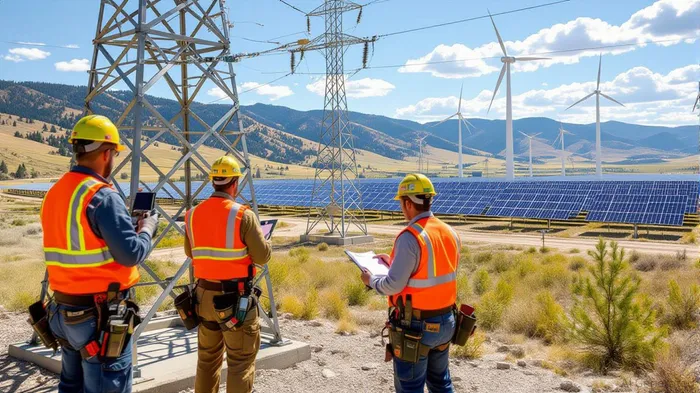
This regulatory scrutiny is not unique to Colorado. Across the U.S., utilities are grappling with the dual challenges of securing cost recovery for infrastructure upgrades while navigating regulatory pushback. For instance, Duke Energy's $83 billion capital plan for grid modernization and renewable expansion (2025–2029) reflects the scale of investment required, but such projects often face delays or reduced allowed returns if regulators deem costs excessive.
Investor Sentiment and Valuation Trends
The utility sector's valuation dynamics in 2025 are shaped by its transition from a purely defensive asset to a growth-oriented investment. Despite high-interest-rate environments-historically a drag on utility stocks due to their capital-intensive nature-the sector has shown resilience. The S&P 500 Utility Index rose 9.2% in the first half of 2025, outperforming the broader market's 6.2% return. This performance is underpinned by robust earnings growth, driven by rate base expansion from infrastructure investments and alignment with decarbonization goals.
Investor sentiment is increasingly focused on utilities that demonstrate strong regulatory relationships and cost recovery mechanisms. Xcel EnergyXEL--, for example, has emphasized its alignment with Colorado's climate targets, including a 57% reduction in carbon emissions since 2018. Such strategic positioning enhances investor confidence, particularly as regulators prioritize climate action. However, the sector's P/E ratio of 17x in 2025-within its historical range of 10–23x-suggests that valuations remain anchored by earnings predictability rather than speculative growth.
The interplay between interest rates and utility valuations is nuanced. While the 10-year U.S. Treasury yield declined to 4.23% in 2025 from 4.58% in late 2024, reducing capital-raising costs for utilities, bond yields still compete with utility dividends. The sector's median dividend yield of 3.5% offers a compelling alternative to fixed-income investments, particularly as the Federal Reserve signals potential rate cuts in 2026–2027. This dynamic has bolstered utility stocks as a safe-haven asset, even as broader economic uncertainties persist.
Grid Modernization and Earnings Growth
Grid modernization is a double-edged sword for utility valuations. On one hand, the $186.4 billion spent by U.S. investor-owned utilities in 2024-80% of which went to infrastructure-has fueled rate base growth and earnings per share (EPS) expansion. On the other, rising electricity prices (up 6% year-over-year) and regulatory constraints on allowed returns could temper long-term growth.
Xcel Energy's proposed rate hike illustrates this tension. While the utility plans to expand energy assistance programs for low-income customers, the broader industry faces scrutiny over how costs are allocated. For instance, the Colorado Office of the Utility Consumer Advocate has questioned whether Xcel's infrastructure spending is optimized. Such debates highlight the importance of regulatory approval in determining the success of rate hike proposals-and, by extension, utility stock performance.
Implications for Investors
For investors, the Xcel Energy case underscores three key considerations:
1. Regulatory Risk: Utilities with strong cost-recovery mechanisms and alignment with decarbonization goals (e.g., NextEra Energy, Entergy) are better positioned to navigate regulatory scrutiny.
2. Valuation Resilience: The sector's P/E ratios and dividend yields remain attractive in a high-interest-rate environment, particularly as bond yields decline.
3. Affordability Pressures: Utilities that fail to demonstrate cost efficiency or overextend capital spending may face rate freezes or reduced returns, directly impacting earnings growth.
In conclusion, the utility sector's valuation in 2025 is defined by its ability to balance infrastructure modernization with affordability. Xcel Energy's Colorado rate hike request exemplifies the regulatory and financial challenges utilities face-and the opportunities for investors who prioritize companies with strong governance, strategic alignment with climate goals, and transparent cost management.

Delivering real-time insights and analysis on emerging financial trends and market movements.
Latest Articles
Stay ahead of the market.
Get curated U.S. market news, insights and key dates delivered to your inbox.
AInvest
PRO
AInvest
PRO



Comments
No comments yet