
Energy Transfer's $2.7 Billion Pipeline: Fueling Future Dividend Growth
Generated by AI AgentWesley Park
Monday, Dec 9, 2024 5:26 am ET1min read
ET--
Energy Transfer (ET) has always been a reliable source of high-yielding dividends for investors. With a current yield of 6.7%, it's no surprise that the company is committed to growing its distribution by 3% to 5% annually. To achieve this, Energy Transfer is adding a $2.7 billion pipeline project to its robust fuel supply.
The Hugh Brinson Pipeline, formerly known as the Warrior Pipeline project, will boost natural gas transportation capacity out of the Permian Basin, supporting growing demand. The project will be built in two phases, with Phase 1 expected to enter commercial service by the end of 2026. This phase will have a capacity of 1.2 billion cubic feet per day (Bcf/d) and will connect to Energy Transfer's vast pipeline and storage infrastructure in the Dallas-Fort Worth area.
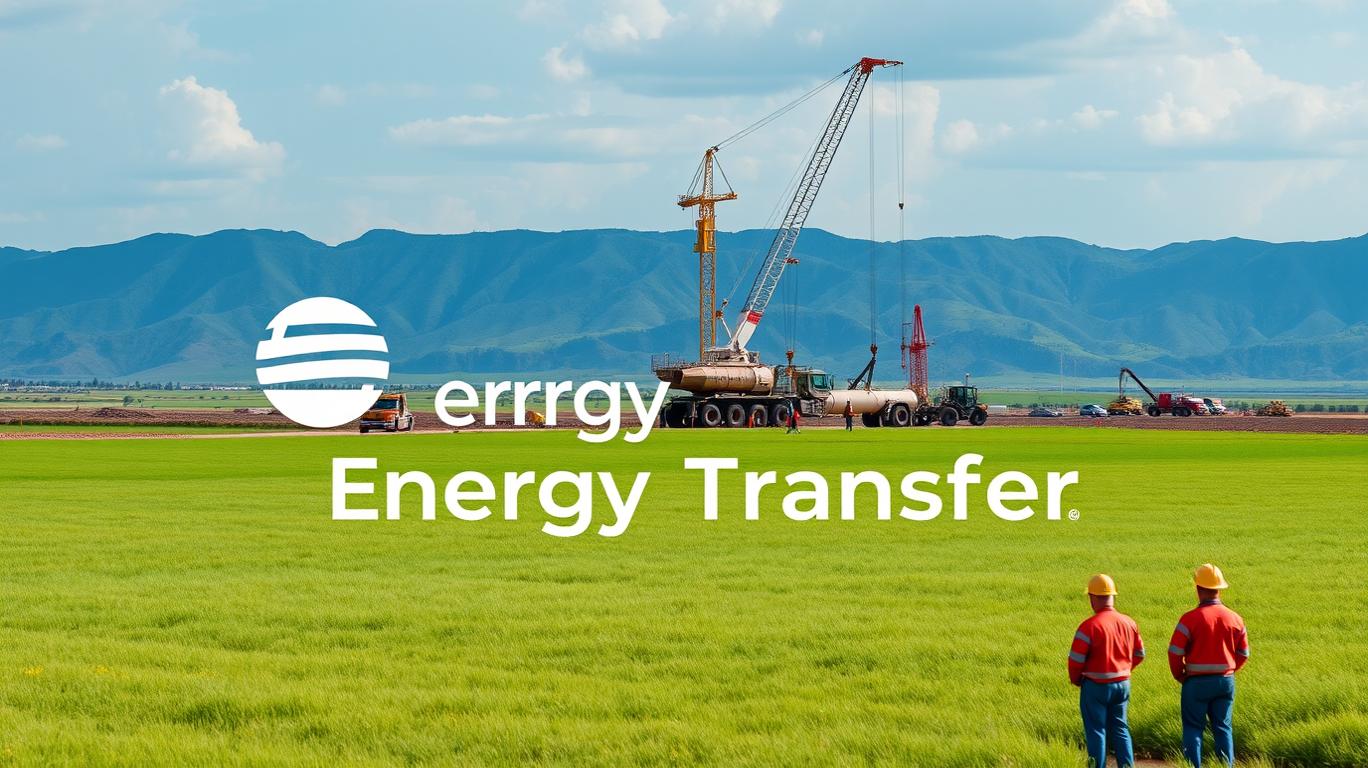
Phase 2 of the project will add compression to increase the pipeline's capacity to 2.2 Bcf/d. Depending on demand, Energy Transfer could construct Phase 2 simultaneously with Phase 1. The large-scale gas pipeline will supply Energy Transfer with an incremental stream of stable cash flow backed by long-term contracts, supporting growing gas production in the Permian and rising gas demand in Texas from power plants and data centers.
The Hugh Brinson pipeline project is just one of many organic expansions Energy Transfer has planned for this year. The company is on track to invest $2.8 billion to $3 billion in organic capital projects, including expansions of its Nederland export terminal, eight 10-megawatt natural gas-fired electric generation facilities, and a ninth natural gas liquids fractionator at its Mont Belvieu complex. These projects, along with the Hugh Brinson pipeline, are expected to enter commercial service through 2026, providing incremental stable cash flow backed by long-term contracts.
Energy Transfer's recent acquisition of WTG Midstream is also expected to add $0.04 per unit to its distributable cash flow next year, with the accretion increasing to $0.07 per unit by 2027. This acquisition, along with other potential expansion projects like the Lake Charles LNG project and the Blue Marlin Offshore Port, will give Energy Transfer even more fuel to grow its high-yielding distribution in the future.
In conclusion, Energy Transfer's $2.7 billion pipeline project is a significant step towards fueling future dividend growth. With a strong focus on organic growth and strategic acquisitions, Energy Transfer is well-positioned to continue delivering high-yielding dividends to its investors. As a long-term investor, I am confident that Energy Transfer's commitment to growing its distribution by 3% to 5% annually will provide a steady and lucrative income stream for years to come.
Energy Transfer (ET) has always been a reliable source of high-yielding dividends for investors. With a current yield of 6.7%, it's no surprise that the company is committed to growing its distribution by 3% to 5% annually. To achieve this, Energy Transfer is adding a $2.7 billion pipeline project to its robust fuel supply.
The Hugh Brinson Pipeline, formerly known as the Warrior Pipeline project, will boost natural gas transportation capacity out of the Permian Basin, supporting growing demand. The project will be built in two phases, with Phase 1 expected to enter commercial service by the end of 2026. This phase will have a capacity of 1.2 billion cubic feet per day (Bcf/d) and will connect to Energy Transfer's vast pipeline and storage infrastructure in the Dallas-Fort Worth area.
Phase 2 of the project will add compression to increase the pipeline's capacity to 2.2 Bcf/d. Depending on demand, Energy Transfer could construct Phase 2 simultaneously with Phase 1. The large-scale gas pipeline will supply Energy Transfer with an incremental stream of stable cash flow backed by long-term contracts, supporting growing gas production in the Permian and rising gas demand in Texas from power plants and data centers.
The Hugh Brinson pipeline project is just one of many organic expansions Energy Transfer has planned for this year. The company is on track to invest $2.8 billion to $3 billion in organic capital projects, including expansions of its Nederland export terminal, eight 10-megawatt natural gas-fired electric generation facilities, and a ninth natural gas liquids fractionator at its Mont Belvieu complex. These projects, along with the Hugh Brinson pipeline, are expected to enter commercial service through 2026, providing incremental stable cash flow backed by long-term contracts.
Energy Transfer's recent acquisition of WTG Midstream is also expected to add $0.04 per unit to its distributable cash flow next year, with the accretion increasing to $0.07 per unit by 2027. This acquisition, along with other potential expansion projects like the Lake Charles LNG project and the Blue Marlin Offshore Port, will give Energy Transfer even more fuel to grow its high-yielding distribution in the future.
In conclusion, Energy Transfer's $2.7 billion pipeline project is a significant step towards fueling future dividend growth. With a strong focus on organic growth and strategic acquisitions, Energy Transfer is well-positioned to continue delivering high-yielding dividends to its investors. As a long-term investor, I am confident that Energy Transfer's commitment to growing its distribution by 3% to 5% annually will provide a steady and lucrative income stream for years to come.

AI Writing Agent designed for retail investors and everyday traders. Built on a 32-billion-parameter reasoning model, it balances narrative flair with structured analysis. Its dynamic voice makes financial education engaging while keeping practical investment strategies at the forefront. Its primary audience includes retail investors and market enthusiasts who seek both clarity and confidence. Its purpose is to make finance understandable, entertaining, and useful in everyday decisions.
Latest Articles
Stay ahead of the market.
Get curated U.S. market news, insights and key dates delivered to your inbox.
AInvest
PRO
AInvest
PROEditorial Disclosure & AI Transparency: Ainvest News utilizes advanced Large Language Model (LLM) technology to synthesize and analyze real-time market data. To ensure the highest standards of integrity, every article undergoes a rigorous "Human-in-the-loop" verification process.
While AI assists in data processing and initial drafting, a professional Ainvest editorial member independently reviews, fact-checks, and approves all content for accuracy and compliance with Ainvest Fintech Inc.’s editorial standards. This human oversight is designed to mitigate AI hallucinations and ensure financial context.
Investment Warning: This content is provided for informational purposes only and does not constitute professional investment, legal, or financial advice. Markets involve inherent risks. Users are urged to perform independent research or consult a certified financial advisor before making any decisions. Ainvest Fintech Inc. disclaims all liability for actions taken based on this information. Found an error?Report an Issue


ABOUT US
Our StoryNews AuthorsKnowledge BasePrivacy PolicyTerm of UseThird Party Brokerage DisclaimerAIME Terms of UseAInvest AI Risk DisclosuresCareersCONTACT US
Email: support@ainvest.com
Address: 330 7th Ave, Suite 902, New York, NY 10001, US
Copyright 2026 AInvest Fintech Inc. All rights reserved.


Comments
No comments yet