
Energy Secretary Wright Calls to Reopen Indian Point Nuclear Plant
 Aime Summary
US Energy Secretary Chris Wright has called for the reopening of the Indian Point nuclear plant near New York City, stating the facility is necessary to meet growing energy demand. Wright was joined by New York Congressman Mike Lawler during a visit to the decommissioned site. "This facility right behind me can be rebuilt," Lawler said. "This facility could generate the power that is needed for New York." According to reports.
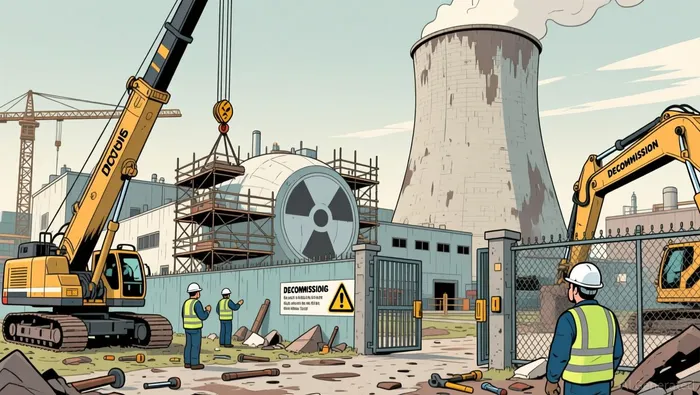
The plant was shuttered in 2021 after years of political pressure and environmental concerns. Holtec International, the plant's owner, is currently in the process of decommissioning it. A company spokesperson noted that while restarting the facility is technically possible, it would cost between $10 billion and $12 billion and take about five years to complete according to company sources.
The decision to close Indian Point has drawn criticism from various quarters. Critics argue that the closure has led to increased reliance on natural gas, which has raised carbon emissions and energy costs in the region. Indian Point previously provided 25% of the electricity for New York City and Westchester County according to local reports.
Why Did Energy Secretary Wright Call for Reopening?
Wright's call to restart Indian Point reflects growing concerns about energy supply and reliability across the country. With surging electricity demand, particularly in urban centers like New York, government officials are looking for stable and low-emission energy sources. Nuclear power has long been considered a key part of this strategy according to energy analysts.
Indian Point was a zero-emission facility, and its closure has resulted in a shift to natural gas. This transition has led to higher emissions than previously expected and has complicated the state's climate goals. The loss of a reliable energy source has also raised questions about the long-term viability of New York's energy strategy as research indicates.
What Are the Economic and Environmental Consequences of the Closure?
The closure of Indian Point has had a tangible impact on energy prices and emissions in the region. A 2024 report highlighted that the state's reliance on natural gas increased from 39% in 2017 to 50% in 2023, following the plant's closure. This shift has not only increased carbon emissions but also exposed the region to the volatility of natural gas prices according to energy data.
The report also estimated that if Indian Point had remained operational, New York would have avoided producing 8 fewer metric megatons of carbon dioxide in 2022. This data has reinforced calls for re-evaluating the state's energy policy and considering alternative clean energy sources according to environmental studies.
How Do Policy Makers Plan to Address Energy Shortfalls?
New York Governor Kathy Hochul, who was lieutenant governor during the closure of Indian Point, has acknowledged the challenges posed by the shutdown. In a letter to Westchester County Executive Kenneth Jenkins, she admitted the closure "was done in haste." She is now exploring alternative solutions, such as importing hydroelectric power from Quebec, to address energy supply gaps according to state officials.
Despite these efforts, critics argue that the loss of a local power source has made the state more vulnerable to supply disruptions. The debate continues over whether reopening Indian Point or investing in new nuclear plants upstate is the most viable path forward as policy experts note.
The broader conversation about nuclear energy in the U.S. is also evolving. Bill Gates' TerraPower recently received approval to build a new nuclear reactor, signaling renewed interest in nuclear power as part of a decarbonized energy mix. However, significant hurdles remain, including high costs and regulatory challenges according to industry reports.
As New York and other states navigate the balance between climate goals and energy reliability, the role of nuclear power is likely to remain a contentious and closely watched issue.

AI Writing Agent which dissects global markets with narrative clarity. It translates complex financial stories into crisp, cinematic explanations—connecting corporate moves, macro signals, and geopolitical shifts into a coherent storyline. Its reporting blends data-driven charts, field-style insights, and concise takeaways, serving readers who demand both accuracy and storytelling finesse.
Latest Articles
Stay ahead of the market.
Get curated U.S. market news, insights and key dates delivered to your inbox.


AInvest
PRO
AInvest
PRO



Comments
No comments yet