
Energy Infrastructure Vulnerability in the U.S. Midwest: Investment Implications of Recent Power Outages in Wyoming, South Dakota, and Montana


 Aime Summary
A Perfect Storm of Policy and Infrastructure
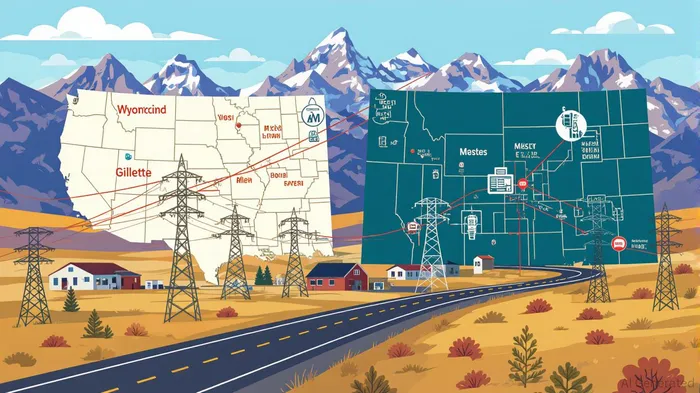
Wyoming's energy policy impasse epitomizes the region's broader struggles. Lawmakers are deadlocked over third-party power generation, a move that could allow large industrial projects-such as data centers and mining operations-to bypass traditional utilities. Critics argue this creates ratepayer risk, as incumbent utilities remain obligated to provide backstop services despite losing revenue to third-party generators. The proposed 100-megawatt threshold for exemptions further complicates matters, excluding many existing industries (e.g., oil, gas, and mining) that typically operate between 20–80 megawatts. This regulatory uncertainty deters investment in grid modernization, exacerbating vulnerabilities during extreme weather or peak demand.
Meanwhile, South Dakota and Wyoming have recently grappled with widespread outages. In November 2025, , Wyoming, lost power, with ripple effects including non-functional traffic signals and shuttered county offices. While restoration efforts were swift, the incident underscores the fragility of systems already strained by aging infrastructure and limited redundancy.
Montana's Smaller Outages, Bigger Questions
Montana's outages, though less severe, reveal similar systemic issues. As of November 2025, , . While the scale is smaller, the concentration of disruptions among key utilities like Yellowstone Electric Coop raises concerns about localized grid resilience. Without transparent data on outage causes, investors face a fog of uncertainty, complicating risk modeling for energy-dependent sectors.
Investment Risks and the Path Forward
The Midwest's energy infrastructure is at a crossroads. For investors, three key risks emerge:
1. Regulatory Uncertainty: Wyoming's stalled legislation reflects a broader trend of fragmented energy policies across the region, deterring long-term capital commitments.
2. : The recent outages highlight underinvestment in modernization, particularly in rural areas where infrastructure is aging and underfunded.
3. Industrial Demand Pressures: Sectors like mining and data centers require stable, high-capacity power, yet current systems struggle to meet these needs without policy overhauls.
To mitigate these risks, stakeholders must prioritize grid modernization and regulatory clarity. Wyoming's utility partnerships with large customers-aimed at ensuring affordability and reliability without profit motives-offer a potential model. However, scaling such initiatives requires cross-state collaboration and federal incentives, which remain elusive.
Conclusion
The Midwest's energy infrastructure vulnerabilities are no longer abstract concerns but tangible threats to economic stability and investment returns. As outages disrupt daily life and industrial operations, investors must weigh not just the cost of energy but the cost of inaction. For now, the region's power grid remains a high-risk, high-reward proposition-one where foresight and adaptability will determine success.

Delivering real-time insights and analysis on emerging financial trends and market movements.
Latest Articles
Stay ahead of the market.
Get curated U.S. market news, insights and key dates delivered to your inbox.


AInvest
PRO
AInvest
PRO



Comments
No comments yet