
Energy Infrastructure Resilience in Urban Markets: Strategic Investment Opportunities in Grid Modernization


 Aime Summary
Decentralized Energy: The New Backbone of Urban Resilience
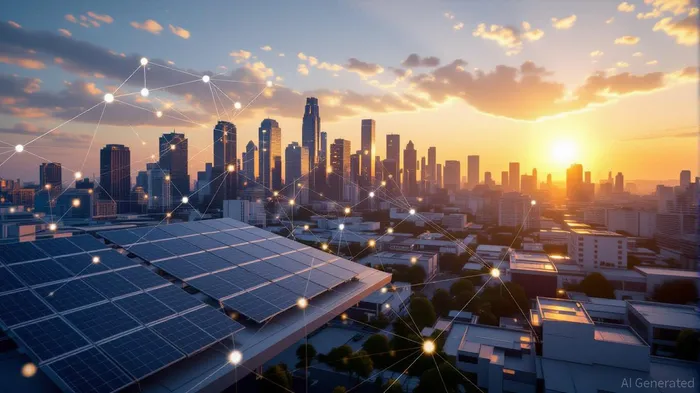
The LA outage highlights the limitations of centralized power systems. According to the U.S. Department of Energy, grid modernization in 2025 is being driven by a shift toward decentralized energy systems, including distributed energy resources (DERs) such as solar power, battery storage, and virtual power plants (VPPs). These technologies enable localized energy generation and storage, reducing reliance on long-distance transmission lines that are prone to weather-related disruptions.
For example, the rise of "prosumers"-households and businesses that both consume and generate electricity-is reshaping grid dynamics. In urban markets, where space constraints and regulatory hurdles often delay large-scale infrastructure projects, decentralized solutions offer a scalable alternative. , signaling a surge in demand for battery storage and hybrid systems, as noted in the . Investors should consider exposure to companies specializing in residential and commercial solar, energy management software, and modular storage solutions.
Smart Grid Technologies: Mitigating Complexity, Enhancing Reliability
The integration of DERs introduces operational challenges, including unpredictable energy flows and cybersecurity risks. According to the Department of Energy's resource adequacy report, utilities must now adopt advanced analytics, edge computing, and real-time load management to maintain grid stability, as detailed in the . , per BloombergNEF.
A key opportunity lies in grid-enhancing technologies (GETs), such as dynamic line rating systems and AI-driven predictive maintenance. For instance, American Gridwork Partners' acquisition of PMT Site to expand its infrastructure service network highlights the growing need for coordinated upgrades in energy, water, and data grids, as reported in the Pulse2 article. Investors may also benefit from tracking the performance of utilities implementing FERC-mandated reforms, such as PJM's "first-ready, first-served" interconnection queue model, which prioritizes projects with clear timelines and technical readiness, as discussed in the Zero Emission Grid blog.
Utility Reforms: Aligning Incentives for Resilience
Post-2025 grid modernization has triggered regulatory overhauls aimed at aligning utility incentives with system reliability. FERC Order 2023, for example, enforces national deadlines for cluster-based interconnection processes, reducing bottlenecks that delay critical infrastructure projects, as noted in the Zero Emission Grid blog. These reforms are particularly relevant for urban markets, where grid congestion and permitting delays have historically stifled innovation.
Investors should also monitor performance-based regulation (PBR) frameworks, which tie utility profits to metrics like outage reduction and customer satisfaction. The U.S. , as described in the Zero Emission Grid blog. Such initiatives not only enhance grid resilience but also create long-term value for utilities with strong balance sheets and regulatory alignment.
Conclusion: A Resilience-Driven Investment Thesis
The LA outage is a microcosm of a systemic challenge: urban energy systems must evolve to withstand climate shocks and technological disruption. For investors, this means prioritizing assets that address three pillars:
1. Decentralized generation and storage to reduce single points of failure.
2. Smart grid technologies to manage complexity and enhance real-time responsiveness.
3. Reformed utility models that reward reliability and innovation.
, the winners will be those who anticipate the grid's transformation-and position themselves at its intersection.

Delivering real-time insights and analysis on emerging financial trends and market movements.
Latest Articles
Stay ahead of the market.
Get curated U.S. market news, insights and key dates delivered to your inbox.


AInvest
PRO
AInvest
PRO



Comments
No comments yet