
Energy Equipment vs. Automobiles: Navigating Sector Rotation in a Shifting Energy Landscape
 Aime Summary
The U.S. (EIA) has painted a stark picture of the gasoline market in late 2025. , . This collapse reflects a perfect storm: geopolitical realignments (e.g., Indian refiners pivoting away from Russian crude), seasonal surges in heating and transportation demand, and aging U.S. refining infrastructure. .
This structural inventory decline is reshaping sectoral dynamics. Energy Equipment and Services firms, such as National Oilwell Varco (NOV) and Schlumberger (SLB), have thrived in this environment. , . The sector's resilience stems from inelastic demand for refining capacity and infrastructure upgrades. With U.S. .
Meanwhile, the automotive sector faces headwinds. , driven by the expiring , . However, automakers and EV manufacturers are grappling with margin pressures. . , which could delay the tipping point for mass EV transition.
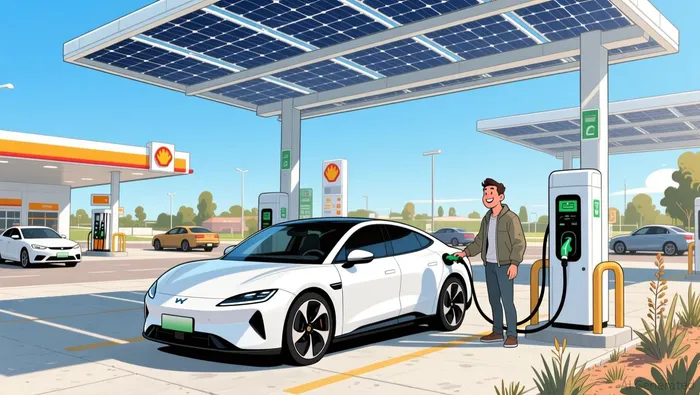
Investors must weigh these trends. Energy Equipment and Services firms are positioned to benefit from a prolonged period of refining bottlenecks and infrastructure modernization. , particularly as EIA data suggests refining capacity will remain strained through 2026. Conversely, automakers face a dual challenge: lower gasoline prices reduce the cost differential between ICE and EV vehicles, while regulatory hurdles and supply chain disruptions complicate EV scaling.
For strategic sector rotation, consider the following:
1. Energy Equipment/Services: Prioritize firms with exposure to refining upgrades and midstream infrastructure. .
2. Automotive: Focus on niche players with hybrid ICE-EV capabilities or those leveraging F&I (Finance and Insurance) product growth. , indicating untapped value in ancillary services.
The EIA's forecast of a $55/barrel Brent crude average in 2026 adds nuance. While this supports gasoline price declines, it also incentivizes refiners to maximize throughput. .
In conclusion, the is not a binary shift from oil to EVs but a complex interplay of supply constraints, regulatory forces, and consumer behavior. For now, Energy Equipment and Services firms offer a more compelling risk-reward profile, while automakers must navigate a market where gasoline's grip remains stubbornly resilient. Investors should allocate cautiously to EVs, favoring those with diversified revenue streams and strong F&I divisions.

Stay ahead of the market.
Get curated U.S. market news, insights and key dates delivered to your inbox.
AInvest
PRO
AInvest
PRO



Comments
No comments yet