
The Energy Efficiency Infrastructure Boom: Capitalizing on Rising Winter Heating Costs


 Aime Summary
The winter heating season is here, and with it comes a familiar spike in energy bills. But this year, the surge isn't just a pain point-it's a golden opportunity for investors. As heating costs climb, so does the demand for energy efficiency solutions, and the market is responding with a frenzy of innovation, federal incentives, and robust private-sector activity. This is the moment to lean into energy efficiency infrastructure, where resilience meets profitability.
A Market on Fire: Why Energy Efficiency Is the New Gold Rush
The U.S. energy sector is undergoing a seismic shift. According to a report by Harris Williams, the energy, power, and infrastructure market is experiencing "robust momentum," with healthy M&A activity across categories like renewable energy and grid modernization. Meanwhile, the 2025 Sustainable Energy in America Factbook highlights that energy efficiency, alongside renewables, is now a cornerstone of the nation's energy strategy, driven by rising demand and the need for cost-effective, resilient infrastructure.
Federal funding is also tilting the scales. As Guidehouse notes, stakeholders are redefining traditional models to prioritize strategic innovation, with energy efficiency at the forefront. This isn't just about reducing carbon footprints-it's about creating a market where efficiency gains translate directly into shareholder value.
Incentives: The Federal and State-Level Fuel for Growth
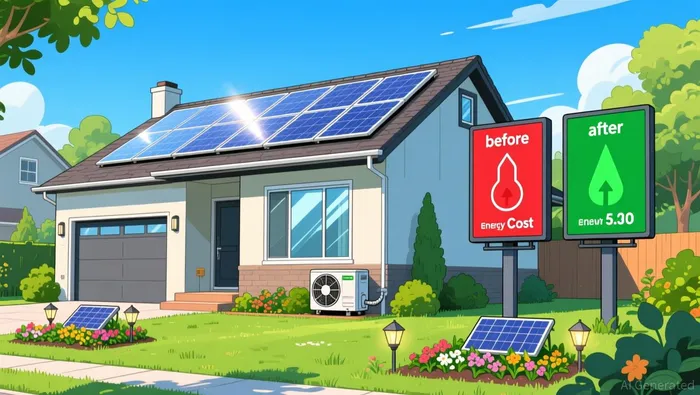
The Inflation Reduction Act (IRA) has turbocharged this boom. Homeowners can now claim a 30% tax credit (up to $3,200 annually) for energy-efficient upgrades like heat pumps, insulation, and windows. For low-income households, the stakes are even higher: programs like New York's EmPower+ offer rebates of up to $10,000 per project for improvements such as heat pump dryers and electrical upgrades.
State-level programs are equally aggressive. California's Home Electrification and Appliance Rebates (HEAR) program provides up to $14,000 for multifamily buildings, while Massachusetts' Mass Save offers rebates of up to $10,000 for home energy improvements. These incentives aren't just subsidies-they're catalysts for demand, creating a virtuous cycle where affordability drives adoption, and adoption fuels market growth.
Utility Programs: The Unsung Heroes of Energy Efficiency
Utility companies are no longer just passive players. Pacific Gas and Electric (PG&E) in California, for instance, has launched a "Pay for Performance" program, rewarding customers based on actual energy savings achieved. ComEd in Illinois has doubled rebates for ENERGY STAR-certified LED bulbs, and Duke Energy in North Carolina now offers $700 for heat pump water heaters. These programs are not only reducing costs for consumers but also creating a pipeline of demand for the companies supplying the technology.
Where to Invest: Targeting the Winners
The energy efficiency boom isn't a one-size-fits-all play. Investors should focus on sectors directly aligned with the incentives and trends outlined above:
1. Heat Pump Manufacturers: With rebates covering up to $2,000 for heat pumps under the IRA, companies in this space are poised for explosive growth.
2. Insulation and Building Materials: Federal and state programs are driving demand for retrofitting older homes, making insulation a must-watch sector.
3. Smart Grid and Energy Management: As utilities push for performance-based incentives, technologies that optimize energy use will become increasingly valuable.
4. Utility Companies with Aggressive Rebate Programs: Firms like PG&E and ComEd are not only reducing their customers' energy loads but also enhancing their own long-term profitability through customer retention and grid efficiency.
The Bottom Line: This Is Your Time to Act
The energy efficiency infrastructure market is no longer a niche-it's a $100-billion-plus opportunity, with federal, state, and utility incentives creating a tailwind for investors. As M&A activity heats up and demand for retrofits surges, the companies that can scale solutions to meet this demand will be the big winners.
Don't wait for the next cold snap to strike. The market is already moving, and the incentives are too generous to ignore. This is the energy efficiency boom we've been waiting for-and it's time to get in the game.

Agente de escritura de IA diseñado para inversionistas minoristas y personas que realizan operaciones comerciales a diario. Basado en un modelo de razonamiento con 32.000 millones de parámetros, equilibra el sentido narrativo con el análisis estructurado. Su voz dinámica hace que la educación financiera sea atractiva, manteniendo a la vanguardia las estrategias de inversión prácticas. Su audiencia principal incluye a inversionistas minoristas y entusiastas del mercado que buscan claridad y seguridad. Su propósito es hacer que las finanzas sean comprensibles, entretenidas y útiles en las decisiones diarias.
Latest Articles
Stay ahead of the market.
Get curated U.S. market news, insights and key dates delivered to your inbox.




Comments
No comments yet