
EMS Market's $219B Surge: AI, Blockchain, and Green Policies Rewrite Energy Rules by 2034


 Aime Summary
The global Energy Management Systems (EMS) market is set for a transformative decade, with its value projected to surge from $56 billion in 2025 to $219.3 billion by 2034, driven by a compound annual growth rate of 16.4%. This expansion is fueled by a confluence of factors, including rising energy costs, stringent environmental regulations, and the integration of advanced technologies such as artificial intelligence (AI), smart grids, and blockchain.
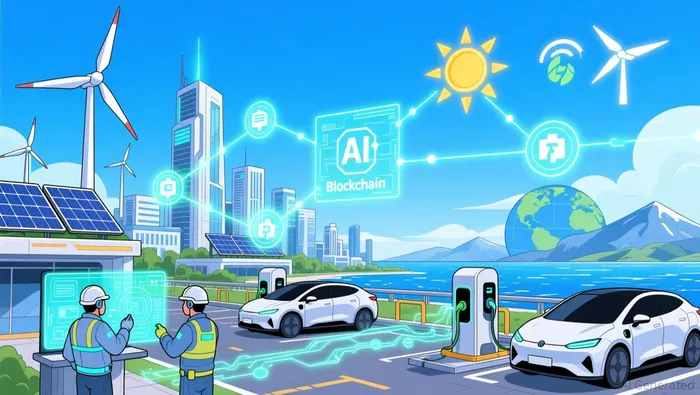 The demand for EMS is being amplified by industries seeking to optimize energy consumption and reduce costs amid inflationary pressures and sustainability mandates. Smart grid technology, in particular, is enabling real-time monitoring and predictive analytics, allowing businesses to automate energy-saving strategies. AI-driven solutions are further enhancing decision-making processes, while cloud-based platforms are offering scalable, remote energy management capabilities. Governments are also playing a pivotal role, incentivizing adoption through policies that align with net-zero goals and decentralized energy transitions.
A key innovation reshaping the sector is the adoption of blockchain, which is facilitating transparent, peer-to-peer energy trading models. This technology is particularly relevant as renewable energy sources become more decentralized, enabling consumers to trade surplus energy directly. Meanwhile, the rise of 5G networks and advancements in energy storage are opening new opportunities for EMS providers to integrate with electric vehicle (EV) charging infrastructure, further expanding their market footprint.
The emergence of Energy-as-a-Service (EaaS) models is also democratizing access to EMS solutions. By shifting from upfront capital expenditures to subscription-based models, businesses-especially small and medium-sized enterprises-can leverage expert-driven optimization without significant initial investments. However, challenges remain, including high integration costs and technical complexities, which could slow adoption among smaller players.
Despite these hurdles, the EMS market is attracting significant interest from investors and policymakers alike. With AI and IoT continuing to drive efficiency gains, the sector is positioned to become a cornerstone of the global energy transition, bridging the gap between sustainability goals and economic viability.

Stay ahead of the market.
Get curated U.S. market news, insights and key dates delivered to your inbox.


AInvest
PRO
AInvest
PRO



Comments
No comments yet