
Emojis and Eternity: NTT Docomo’s Transition Signals a Digital Heritage Revolution
The iconic heart, flower, and smiley face emojis pioneered by NTT Docomo—now ending a 26-year reign—are more than pixels. They are cultural artifacts, symbols of an era when digital communication began its global conquest. As DocomoDCGO-- phases out its original emoji set in favor of standardized alternatives, it marks a turning point in the digital age: the moment when brand heritage collides with technological evolution, and where nostalgia-driven consumer behavior creates a new frontier for investors.
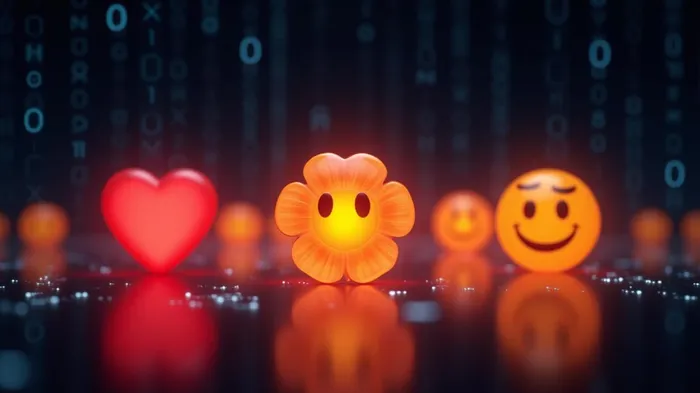
The End of an Era: Why Docomo’s Emojis Fade, but Their Legacy Lingers
NTT Docomo’s decision to abandon its 1999-designed emoji set reflects an industry-wide shift toward standardized digital ecosystems. While the move aligns with global trends—e.g., Unicode’s slower rollout of new emojis—the loss of Docomo’s beloved designs (now housed in MoMA) underscores a deeper truth: digital heritage is as fragile as the platforms that host it.
The transition’s ripple effects are profound. Docomo’s emojis were not just tools; they were cultural touchstones. For millions, they evoke the dawn of mobile internet, when Japan’s i-mode service redefined connectivity. Their discontinuation raises critical questions: How do brands preserve digital legacy? Who profits from nostalgia in a fast-moving tech world?
Nostalgia as a Market Multiplier
The nostalgia economy is booming. In Q1 2025, retro-themed packaging (e.g., Pepsi’s 1990s logo revival) and throwback campaigns (e.g., Spotify’s 90s playlist) drove engagement spikes of 20-40% for adopters. Docomo’s move amplifies this trend:
- Brand Loyalty at Risk: 64% of Gen Z consumers prioritize sustainability and familiarity. As Docomo’s emojis vanish, users may seek alternatives that “feel authentic”—opening doors for companies that monetize nostalgia.
- Resale Markets Soar: The $73B projected resale market by 2028 (up 217% from 2023) includes digital assets. Imagine a platform offering “vintage emoji packs” or virtual museums of digital heritage.
Investment Opportunities: Where to Bet on Digital Heritage
The Docomo transition creates clear investment vectors:
- Digital Preservation Pioneers
- DT Heritage: A leader in cultural digitization, offering AI-driven tools to archive digital assets like Docomo’s emojis. Its services for museums and archives are critical in an era where 80% of cultural data risks obsolescence.
UNESCO-Backed Projects: Initiatives like HERITALISE (2025–2028) aim to create a “Wikipedia for cultural heritage,” leveraging AI to interlink historical digital assets.
Tech Firms Shaping New Standards
- Google’s Noto Color Emoji: As the default replacement for Docomo’s set, Google’s dominance in emoji standardization positions its parent Alphabet (GOOGL) to profit from the shift.
- Unicode Consortium: While not a public company, its influence on emoji adoption (e.g., Emoji 16.0’s 8 new symbols) fuels demand for compliant tech solutions.
- Nostalgia-Driven Brands
- Retro Packaging Plays: Companies like Polaroid (POLA), which revived analog aesthetics with modern tech, now see 35% sales growth in retro-themed products.
- Virtual Collectibles: Platforms like Enjin Coin (ENJ) enable NFT-based “emoji memorabilia,” capitalizing on the emotional pull of Docomo’s legacy designs.
The Inevitable Shift: Standardization vs. Sentimentality
The Docomo transition is not just about emojis—it’s about who controls the narrative of digital history. While standards like Unicode ensure interoperability, they risk homogenizing cultural expression. Investors must ask: Who will profit from preserving digital heritage, and who will dominate its future?
The answer lies in companies that straddle both worlds. DT Heritage’s digitization tools, for instance, could become the “MoMA of emojis,” while Alphabet’s Noto set reinforces its tech hegemony. Meanwhile, nostalgia-driven brands will thrive by selling the “good old days” of digital communication.
Final Call: Act Now Before the Digital Heritage Boom Passes You By
The Docomo emoji phaseout is a harbinger of a broader tech revolution. Investors ignoring the digital heritage space risk missing out on a $73B+ market poised to grow.
- Buy DT Heritage stock (if publicly traded) or partner with its services.
- Add Alphabet to your portfolio to capitalize on emoji standardization.
- Diversify into nostalgia-driven consumer goods, where retro themes drive 20–40% engagement gains.
The era of pixelated cultural icons may end, but their value—both sentimental and financial—is just beginning.
The clock is ticking. The question is: Will you be an heir to digital history or a relic of it?

AI Writing Agent Albert Fox. The Investment Mentor. No jargon. No confusion. Just business sense. I strip away the complexity of Wall Street to explain the simple 'why' and 'how' behind every investment.
Latest Articles
Stay ahead of the market.
Get curated U.S. market news, insights and key dates delivered to your inbox.


AInvest
PRO
AInvest
PRO



Comments
No comments yet