
Emirates Flight Suspensions: What Investors Need to Know About Geopolitical Disruptions
 Aime Summary
Emirates has suspended all operations to and from Dubai due to airspace closures. . Airlines are offering rebooking and refund options to affected passengers. Airspace closures are forcing rerouted flights, increasing fuel consumption and travel times. Geopolitical tensions are causing recurring disruptions in the aviation sector.
Airlines across the globe are facing unprecedented disruptions due to geopolitical tensions involving the United States, Israel, and Iran. Emirates, one of the largest airlines in the Middle East, has suspended all operations from its Dubai hub as airspace closures ripple across the region. , including those from Dubai International and Abu Dhabi airports, the impact on travel and aviation logistics is massive. Airlines are scrambling to rebook passengers, and rerouted flights are increasing both travel time and fuel usage. The situation has raised concerns about the long-term effects on the aviation industry and how airlines will adapt to recurring geopolitical disruptions.
What Is Behind the Emirates Flight Suspensions in February 2026?
The sudden flight suspensions affecting Emirates and other major airlines stem from airspace closures in the Middle East following a U.S.-led military operation in Iran. These closures span multiple countries, including Iran, Iraq, Kuwait, Bahrain, Qatar, and the UAE, with the goal of ensuring safety for air crews and passengers. Emirates has temporarily halted all flights from Dubai, with affected customers advised to monitor the situation and rebook where possible. The move is not isolated—Qatar Airways, Lufthansa, and Virgin Atlantic have also suspended or rerouted services as the security situation evolves. 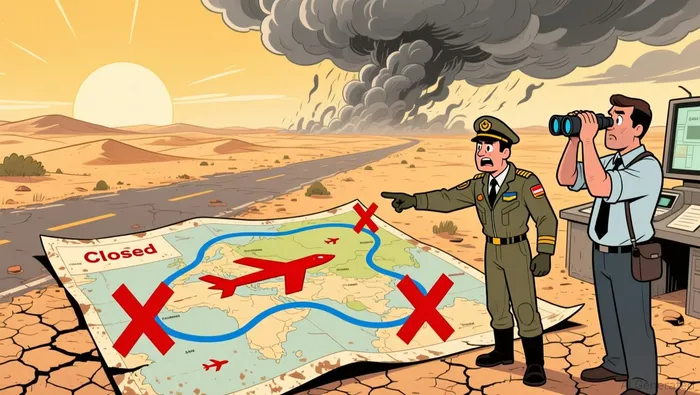 The closures have created a cascading effect on global air traffic, with flights being diverted to avoid the region altogether, leading to longer flight paths and higher operational costs.
How Are Airlines Responding to the Latest Flight Disruptions?
Airlines are taking swift action to manage the fallout from the airspace closures. Emirates has offered rebooking and refund options to passengers impacted by the suspensions. Meanwhile, British Airways turned back an outbound flight from London to Doha and canceled the return journey, citing safety concerns. Wizz Air has suspended all flights to and from Israel, Dubai, Abu Dhabi, . Virgin Atlantic and Etihad Airways have also canceled key long-haul routes, including London to Dubai, while Lufthansa suspended services to Tel Aviv, Beirut, and Tehran reports. Air traffic tracking platforms like Flightradar24 show a significant shift in flight paths, with aircraft rerouting via Saudi Arabia to avoid the closed airspace. Airlines are emphasizing that these measures are temporary but underscore the fragility of air travel in the face of geopolitical instability.
What Do These Disruptions Mean for Investors and the Aviation Sector?
For investors, the recent flight suspensions and rerouting present both short- and long-term risks. In the immediate term, airlines are absorbing the costs of rerouted flights, which use more fuel and require additional crew resources. Emirates, as a major hub connecting Europe, Asia, and the Americas, is particularly affected, with its Dubai operations grinding to a halt. This could impact passenger demand and ancillary revenue, especially for airlines that rely heavily on Dubai as a transit point according to . In the longer term, airlines may need to diversify their route networks or invest in contingency planning to mitigate the impact of similar disruptions. Investors are also watching how governments and regulatory bodies respond to the crisis, as policies such as travel bans or financial support could shape the industry's recovery. Ultimately, the aviation sector's resilience will depend on its ability to adapt to the unpredictable nature of geopolitical events.
What Should Investors Watch as the Situation Develops?
Investors should closely monitor several key factors as the crisis unfolds. First, the duration of airspace closures will determine how long airlines remain under financial pressure. If the closures persist beyond March, the impact on passenger confidence and demand could deepen. Second, airlines' ability to manage rebooking and refund requests efficiently will affect customer satisfaction and brand reputation. Third, regulatory updates from aviation authorities like the UAE's GCAA and the European Union Aviation Safety Agency () will provide clarity on when normal operations can resume. Finally, investors should watch for broader economic impacts, such as increased fuel prices or rising insurance costs, which could further strain airline balance sheets. While the current situation is fluid, the aviation sector's response will serve as a test of its preparedness for future geopolitical disruptions.

Stay ahead of the market.
Get curated U.S. market news, insights and key dates delivered to your inbox.


AInvest
PRO
AInvest
PRO



Comments
No comments yet