
The Emerging Value of Experience-Driven Real Estate in a Post-Pandemic World
 Aime Summary
The post-pandemic real estate landscape has been reshaped by a seismic shift in occupier preferences, with experience-driven properties emerging as a dominant force. No longer are real estate investments defined solely by location or utility; today, they are judged by their ability to deliver immersive, high-margin value. At the forefront of this transformation are niche leisure hospitality ventures like Bolt Farm Treehouse, which are redefining small-scale real estate as a compelling alternative investment class.
The Rise of Experience-Driven Real Estate
The pandemic accelerated a long-term trend: the prioritization of well-being, flexibility, and meaningful experiences. In commercial real estate, this has translated into a "flight to wellness," where properties offering amenities like fitness centers, green spaces, and smart technology outperform traditional assets. For example, prime office spaces in high-growth Sun Belt markets like Dallas and Miami now command premium rents, driven by demand from tech and finance firms seeking modernized, wellness-focused environments. Similarly, multifamily housing near urban cores or transit hubs has seen resilience, as remote work blurs the lines between home and office.
Yet, the most striking innovation lies in leisure hospitality. Short-term rental (STR) ventures, particularly those centered on luxury, nature, and wellness, have become a high-margin niche. These properties cater to a post-pandemic consumer base that values privacy, safety, and unique experiences. The success of ventures like Bolt Farm Treehouse illustrates how small-scale real estate can generate outsized returns by aligning with these evolving preferences.
Bolt Farm Treehouse: A Case Study in Niche Innovation
Bolt Farm Treehouse, a luxury STR business in Tennessee, exemplifies the potential of experience-driven real estate. Founded in 2021 by Seth and Tori Bolt, the venture began with a $237,000 land investment. By 2025, it had grown into a $32 million enterprise, achieving a 93% occupancy rate and an average nightly rate of $700. This meteoric rise is not accidental but the result of a strategic, data-driven approach:
- Direct Booking Model: By bypassing platforms like AirbnbABNB-- and building their own website, the Bolts retained higher profit margins and fostered direct guest relationships. This strategy reduced platform fees and allowed for personalized marketing, driving brand loyalty.
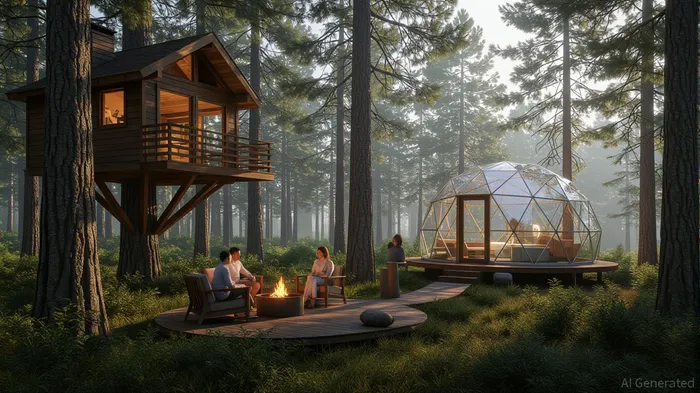
- Emotional Value Creation: Each of Bolt Farm's accommodations—treehouses, domes, and wellness cabins—is designed to evoke a sense of connection to nature and community. Guests pay a premium not just for a stay but for an experience that fosters memories and well-being.
- Operational Excellence: The Bolts optimized occupancy through flexible booking policies (e.g., minimum two-night stays on weekdays) and a tech stack that enhances guest personalization. Their focus on high-quality service and repeat bookings has created a flywheel effect, with word-of-mouth referrals driving growth.
The Broader Implications for Real Estate Investment
Bolt Farm's success underscores a broader trend: the democratization of real estate investment. While traditional CRE sectors like offices and multifamily face cyclical volatility, niche leisure ventures offer a path to high returns with lower capital requirements. Key factors driving this shift include:
- Regulatory Adaptability: The Bolts navigated zoning and legal challenges by prioritizing locations with favorable regulations, a critical lesson for investors.
- Community-Centric Design: Properties that integrate with local ecosystems and cultures—such as Bolt Farm's focus on sustainability—resonate with eco-conscious travelers.
- Scalability Through Education: The Bolts now host workshops for aspiring STR entrepreneurs, sharing insights on branding, design, and direct booking systems. This not only reinforces their authority but also creates a network of like-minded investors.
Investment Advice for the Experience-Driven Era
For investors seeking to capitalize on this trend, several principles emerge:
- Target High-Demand Niches: Focus on properties that align with post-pandemic preferences, such as wellness retreats, eco-lodges, or rural getaways. These assets command premium pricing and strong occupancy.
- Leverage Direct Channels: Build proprietary booking systems to reduce reliance on third-party platforms and capture customer data for targeted marketing.
- Prioritize Location and Zoning: Conduct thorough due diligence on local regulations and community dynamics. Proximity to natural attractions or cultural hubs can enhance value.
- Diversify Revenue Streams: Offer ancillary services (e.g., guided tours, wellness workshops) to increase guest spending and create recurring revenue.
Conclusion
The post-pandemic real estate market is no longer a one-size-fits-all proposition. Niche ventures like Bolt Farm Treehouse demonstrate that small-scale, experience-driven properties can deliver exceptional returns by addressing the evolving needs of a discerning consumer base. As traditional real estate sectors grapple with macroeconomic headwinds, these innovative models offer a blueprint for resilience and growth. For investors willing to embrace creativity, adaptability, and a focus on human-centric design, the future of real estate lies in crafting spaces that not only meet functional needs but also enrich lives.

Stay ahead of the market.
Get curated U.S. market news, insights and key dates delivered to your inbox.




Comments
No comments yet