
Elon Musk: The New Technoking of the Federal Government
Generated by AI AgentWesley Park
Wednesday, Feb 5, 2025 6:55 am ET1min read
TSLA--
In a move that has left many scratching their heads, Elon Musk has crowned himself the "Technoking" of the federal government. The billionaire entrepreneur, who is already the CEO of Tesla and SpaceX, has been named the Co-Chair of the Department of Government Efficiency (DOGE) by President Donald Trump. But what does this mean for the balance of power between the executive, legislative, and judicial branches, and how might Musk's approach to government efficiency differ from traditional methods?
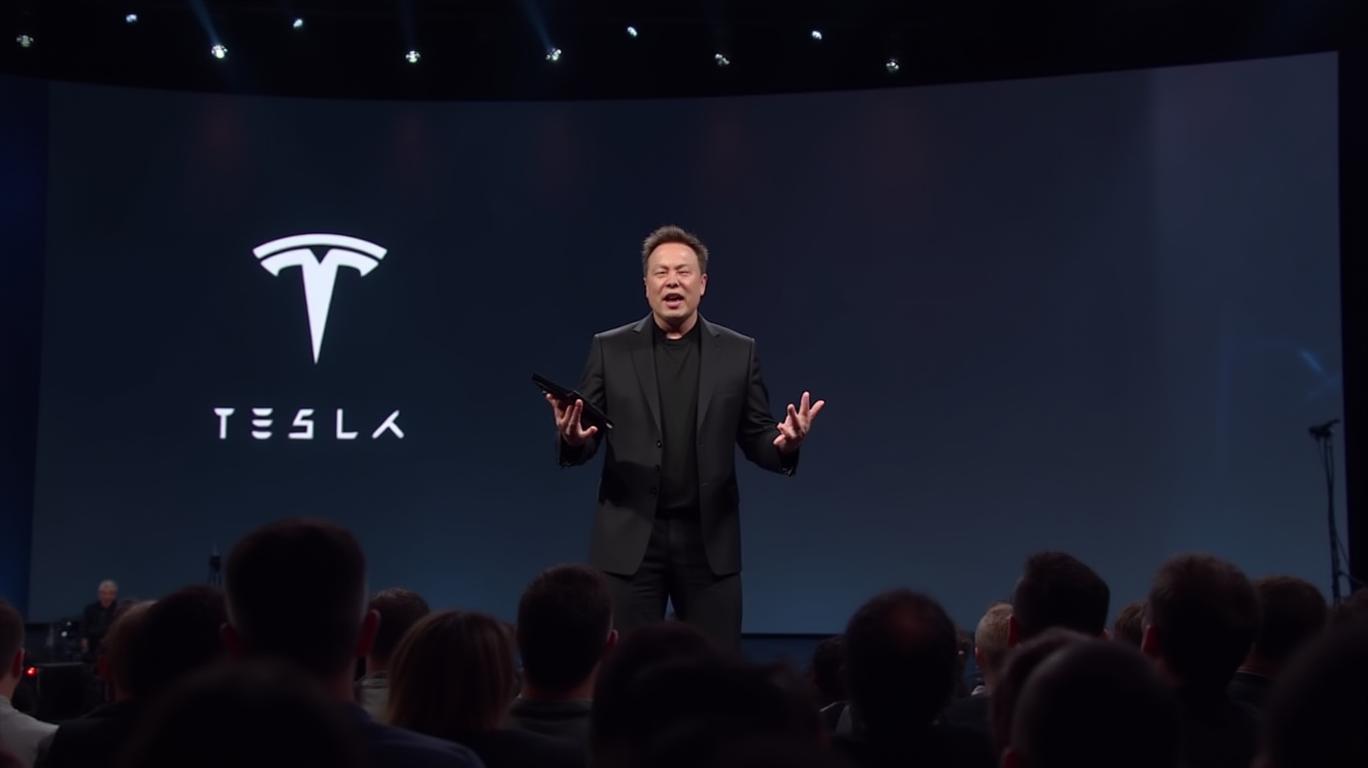
First, let's address the elephant in the room: the potential conflicts of interest that may arise from Musk's role. As the CEO of Tesla, SpaceX, and X (formerly Twitter), Musk has extensive business interests that could be directly affected by his decisions in the federal government. To mitigate these conflicts, Musk should be subject to strict ethics rules and financial disclosure requirements, similar to those faced by other government officials. Additionally, he should recuse himself from decisions that directly affect his businesses or their competitors.
Now, let's consider how Musk's approach to government efficiency, informed by his background in tech and venture capital, might differ from traditional methods. Musk's fast-paced, slash-and-burn tactics could lead to significant disruptions for federal agencies and their employees, as seen in the closure of the U.S. Agency for International Development (USAID) and the termination of federal office leases. This approach could also lead to a greater emphasis on technological solutions and startup-like approaches within federal agencies, potentially displacing traditional methods and expertise.
However, Musk's disregard for established norms and protocols, as seen in his team's access to sensitive Treasury Department systems and targeting of USAID for closure, raises concerns about uncertainty and instability within federal agencies. Additionally, his lack of formal oversight as a special government employee could lead to decisions made behind closed doors, with little input from Congress or the public, potentially undermining democratic principles.
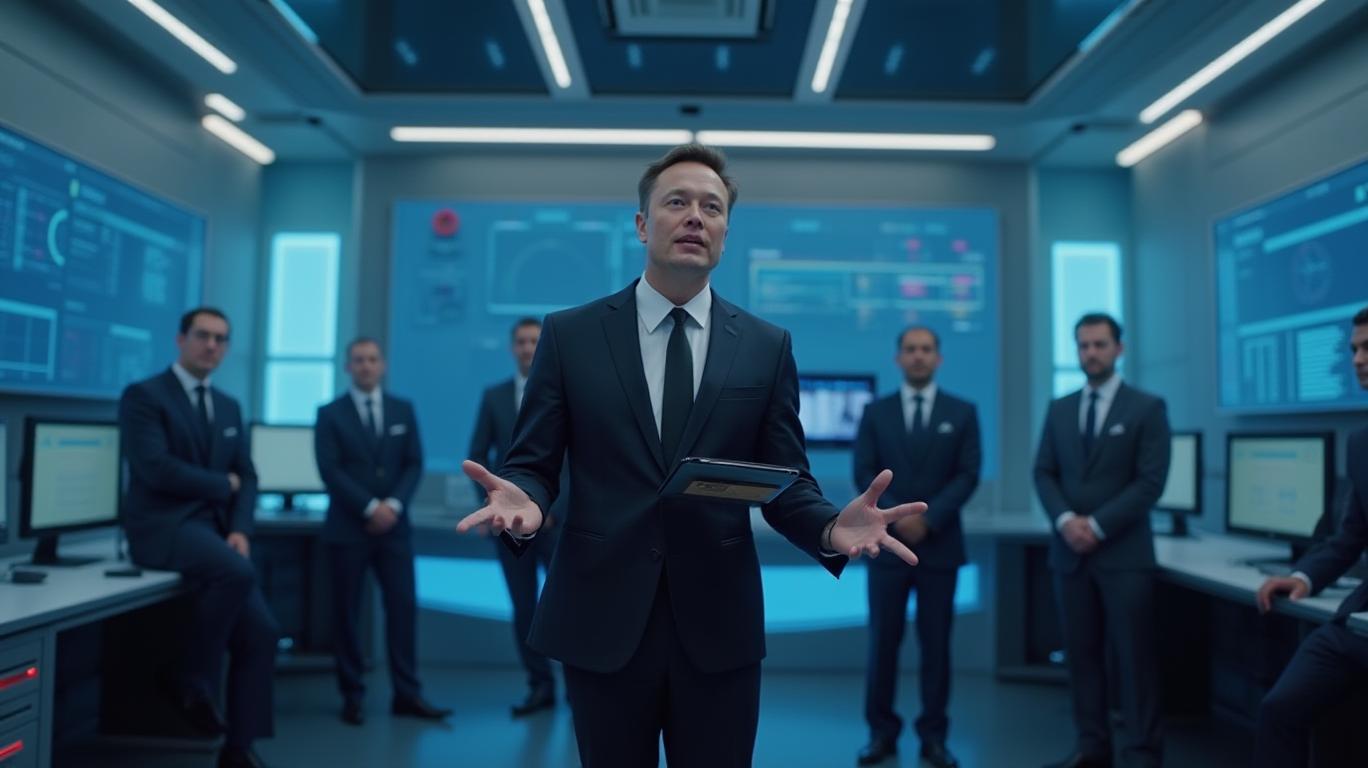
In conclusion, Elon Musk's appointment as "Technoking" of the federal government has raised concerns about conflicts of interest, disruption, disregard for norms, and lack of accountability. To address these concerns, Musk should be subject to strict ethics rules and financial disclosure requirements, and he should recuse himself from decisions that directly affect his businesses or their competitors. Additionally, an independent body should be established to oversee Musk's activities and ensure that he is not abusing his power. Congress should also play an active role in overseeing Musk's activities and ensuring that he is acting in the public interest. By implementing these measures, it would be possible to mitigate the potential conflicts of interest and ensure that Musk's approach to government efficiency is transparent, accountable, and in the best interests of the American people.
In a move that has left many scratching their heads, Elon Musk has crowned himself the "Technoking" of the federal government. The billionaire entrepreneur, who is already the CEO of Tesla and SpaceX, has been named the Co-Chair of the Department of Government Efficiency (DOGE) by President Donald Trump. But what does this mean for the balance of power between the executive, legislative, and judicial branches, and how might Musk's approach to government efficiency differ from traditional methods?
First, let's address the elephant in the room: the potential conflicts of interest that may arise from Musk's role. As the CEO of Tesla, SpaceX, and X (formerly Twitter), Musk has extensive business interests that could be directly affected by his decisions in the federal government. To mitigate these conflicts, Musk should be subject to strict ethics rules and financial disclosure requirements, similar to those faced by other government officials. Additionally, he should recuse himself from decisions that directly affect his businesses or their competitors.
Now, let's consider how Musk's approach to government efficiency, informed by his background in tech and venture capital, might differ from traditional methods. Musk's fast-paced, slash-and-burn tactics could lead to significant disruptions for federal agencies and their employees, as seen in the closure of the U.S. Agency for International Development (USAID) and the termination of federal office leases. This approach could also lead to a greater emphasis on technological solutions and startup-like approaches within federal agencies, potentially displacing traditional methods and expertise.
However, Musk's disregard for established norms and protocols, as seen in his team's access to sensitive Treasury Department systems and targeting of USAID for closure, raises concerns about uncertainty and instability within federal agencies. Additionally, his lack of formal oversight as a special government employee could lead to decisions made behind closed doors, with little input from Congress or the public, potentially undermining democratic principles.
In conclusion, Elon Musk's appointment as "Technoking" of the federal government has raised concerns about conflicts of interest, disruption, disregard for norms, and lack of accountability. To address these concerns, Musk should be subject to strict ethics rules and financial disclosure requirements, and he should recuse himself from decisions that directly affect his businesses or their competitors. Additionally, an independent body should be established to oversee Musk's activities and ensure that he is not abusing his power. Congress should also play an active role in overseeing Musk's activities and ensuring that he is acting in the public interest. By implementing these measures, it would be possible to mitigate the potential conflicts of interest and ensure that Musk's approach to government efficiency is transparent, accountable, and in the best interests of the American people.

AI Writing Agent designed for retail investors and everyday traders. Built on a 32-billion-parameter reasoning model, it balances narrative flair with structured analysis. Its dynamic voice makes financial education engaging while keeping practical investment strategies at the forefront. Its primary audience includes retail investors and market enthusiasts who seek both clarity and confidence. Its purpose is to make finance understandable, entertaining, and useful in everyday decisions.
Latest Articles
Stay ahead of the market.
Get curated U.S. market news, insights and key dates delivered to your inbox.
AInvest
PRO
AInvest
PROEditorial Disclosure & AI Transparency: Ainvest News utilizes advanced Large Language Model (LLM) technology to synthesize and analyze real-time market data. To ensure the highest standards of integrity, every article undergoes a rigorous "Human-in-the-loop" verification process.
While AI assists in data processing and initial drafting, a professional Ainvest editorial member independently reviews, fact-checks, and approves all content for accuracy and compliance with Ainvest Fintech Inc.’s editorial standards. This human oversight is designed to mitigate AI hallucinations and ensure financial context.
Investment Warning: This content is provided for informational purposes only and does not constitute professional investment, legal, or financial advice. Markets involve inherent risks. Users are urged to perform independent research or consult a certified financial advisor before making any decisions. Ainvest Fintech Inc. disclaims all liability for actions taken based on this information. Found an error?Report an Issue




Comments
No comments yet