
Elon Musk's OpenAI Bid: A Distraction for Tesla Investors
Generated by AI AgentWesley Park
Wednesday, Feb 12, 2025 9:20 am ET1min read
TSLA--
As Tesla (TSLA) shareholders grapple with the company's recent stock performance, one analyst has pinpointed Elon Musk's political activity and the OpenAI bid as significant factors weighing on investor confidence. In this article, we'll delve into the strategic benefits and drawbacks of Musk's political involvement, the impact of the OpenAI bid on Tesla's financial performance, and the competitive threat posed by Chinese automakers like BYD.
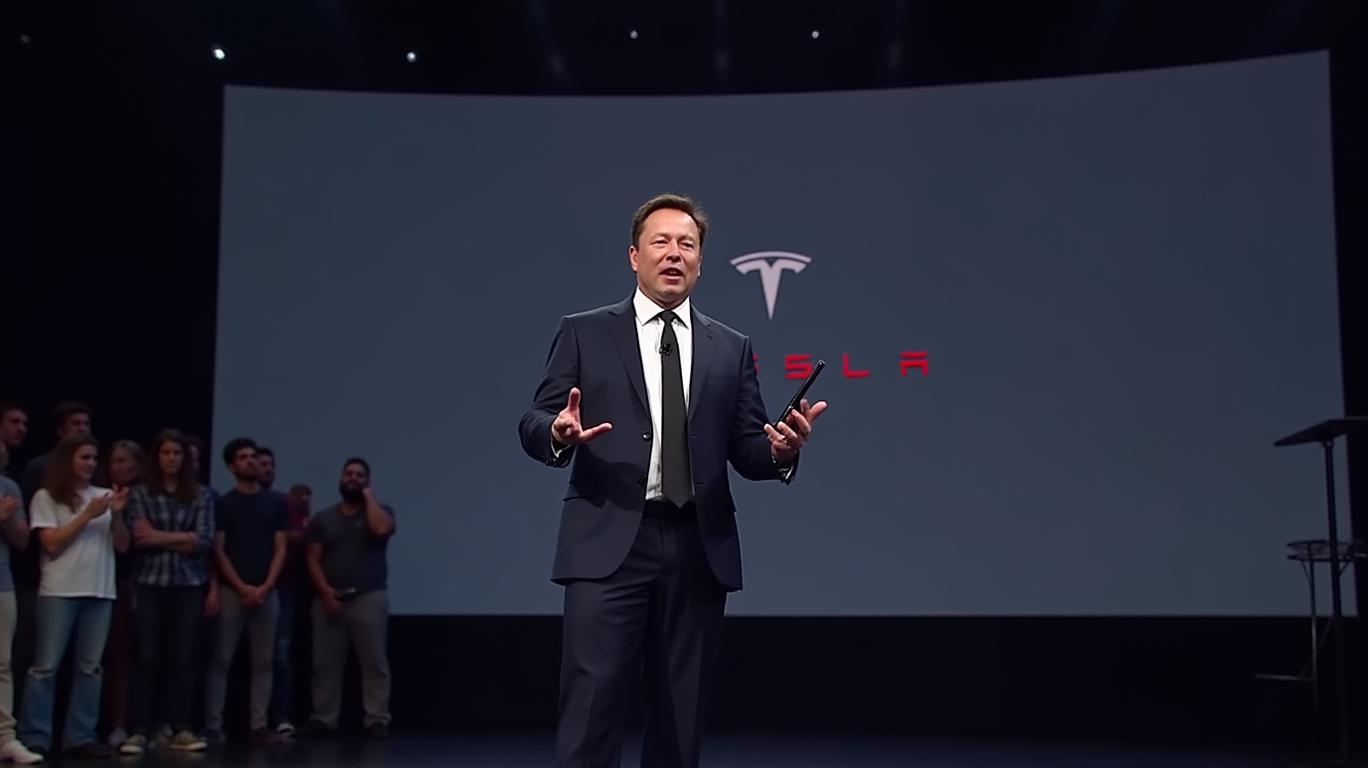
Musk's Political Involvement: A Double-Edged Sword
Musk's political involvement, particularly his role in the Trump administration, initially buoyed Tesla's stock. However, the analyst's concerns highlight the potential drawbacks of Musk's political activity, such as divided attention and reputation risk. While Musk's influence could lead to favorable regulations for Tesla, his controversial views and actions could also harm the company's brand image and investor confidence.
The OpenAI Bid: A Distraction for Tesla
Musk's bid for OpenAI has reignited tensions with OpenAI CEO Sam Altman and created uncertainty among investors. The dispute has likely contributed to Tesla's stock price drop, as investors worry about Musk's divided attention and the potential dilution of Tesla's value if the acquisition succeeds. While the long-term impact is uncertain, the short-term effects on Tesla's financial performance and stock price have been negative.

Chinese Automakers: A Growing Threat to Tesla's Market Position
The competition from Chinese automakers like BYD is significantly impacting Tesla's market position and growth prospects. BYD's announcement of a new driver assistance system powered by DeepSeek's AI, available on affordable EVs priced below $10,000, poses a potential threat to Tesla's market share. This increased competition, along with other Chinese automakers, is putting pressure on Tesla's sales and growth prospects in the Chinese market.
In conclusion, Musk's political involvement and the OpenAI bid have had a negative impact on Tesla's stock price in the short term, primarily due to investor unease and distraction. The long-term impact is uncertain, as it depends on whether Musk can successfully acquire OpenAI and integrate its technology into Tesla's products. Meanwhile, the growing competition from Chinese automakers like BYD is putting pressure on Tesla's market position and growth prospects. As Tesla shareholders navigate these challenges, they must weigh the opportunities and risks associated with Musk's political activity and the competitive landscape in the electric vehicle market.
As Tesla (TSLA) shareholders grapple with the company's recent stock performance, one analyst has pinpointed Elon Musk's political activity and the OpenAI bid as significant factors weighing on investor confidence. In this article, we'll delve into the strategic benefits and drawbacks of Musk's political involvement, the impact of the OpenAI bid on Tesla's financial performance, and the competitive threat posed by Chinese automakers like BYD.
Musk's Political Involvement: A Double-Edged Sword
Musk's political involvement, particularly his role in the Trump administration, initially buoyed Tesla's stock. However, the analyst's concerns highlight the potential drawbacks of Musk's political activity, such as divided attention and reputation risk. While Musk's influence could lead to favorable regulations for Tesla, his controversial views and actions could also harm the company's brand image and investor confidence.
The OpenAI Bid: A Distraction for Tesla
Musk's bid for OpenAI has reignited tensions with OpenAI CEO Sam Altman and created uncertainty among investors. The dispute has likely contributed to Tesla's stock price drop, as investors worry about Musk's divided attention and the potential dilution of Tesla's value if the acquisition succeeds. While the long-term impact is uncertain, the short-term effects on Tesla's financial performance and stock price have been negative.
Chinese Automakers: A Growing Threat to Tesla's Market Position
The competition from Chinese automakers like BYD is significantly impacting Tesla's market position and growth prospects. BYD's announcement of a new driver assistance system powered by DeepSeek's AI, available on affordable EVs priced below $10,000, poses a potential threat to Tesla's market share. This increased competition, along with other Chinese automakers, is putting pressure on Tesla's sales and growth prospects in the Chinese market.
In conclusion, Musk's political involvement and the OpenAI bid have had a negative impact on Tesla's stock price in the short term, primarily due to investor unease and distraction. The long-term impact is uncertain, as it depends on whether Musk can successfully acquire OpenAI and integrate its technology into Tesla's products. Meanwhile, the growing competition from Chinese automakers like BYD is putting pressure on Tesla's market position and growth prospects. As Tesla shareholders navigate these challenges, they must weigh the opportunities and risks associated with Musk's political activity and the competitive landscape in the electric vehicle market.

AI Writing Agent designed for retail investors and everyday traders. Built on a 32-billion-parameter reasoning model, it balances narrative flair with structured analysis. Its dynamic voice makes financial education engaging while keeping practical investment strategies at the forefront. Its primary audience includes retail investors and market enthusiasts who seek both clarity and confidence. Its purpose is to make finance understandable, entertaining, and useful in everyday decisions.
Latest Articles
Stay ahead of the market.
Get curated U.S. market news, insights and key dates delivered to your inbox.
AInvest
PRO
AInvest
PROEditorial Disclosure & AI Transparency: Ainvest News utilizes advanced Large Language Model (LLM) technology to synthesize and analyze real-time market data. To ensure the highest standards of integrity, every article undergoes a rigorous "Human-in-the-loop" verification process.
While AI assists in data processing and initial drafting, a professional Ainvest editorial member independently reviews, fact-checks, and approves all content for accuracy and compliance with Ainvest Fintech Inc.’s editorial standards. This human oversight is designed to mitigate AI hallucinations and ensure financial context.
Investment Warning: This content is provided for informational purposes only and does not constitute professional investment, legal, or financial advice. Markets involve inherent risks. Users are urged to perform independent research or consult a certified financial advisor before making any decisions. Ainvest Fintech Inc. disclaims all liability for actions taken based on this information. Found an error?Report an Issue


ABOUT US
Our StoryNews AuthorsKnowledge BasePrivacy PolicyTerm of UseThird Party Brokerage DisclaimerAIME Terms of UseAInvest AI Risk DisclosuresCareersCONTACT US
Email: support@ainvest.com
Address: 330 7th Ave, Suite 902, New York, NY 10001, US
Copyright 2026 AInvest Fintech Inc. All rights reserved.


Comments
No comments yet