
Elon Musk's New Influence: A Threat or Opportunity for Rivals?
Elon Musk's acquisition of Twitter has sparked concerns about his potential use of influence to target rivals. With over 206 million followers, Musk's reach is substantial, and his tweets can significantly impact public perception and investor sentiment. This article explores the potential implications of Musk's new influence on the competitive landscape in the tech and automotive industries.
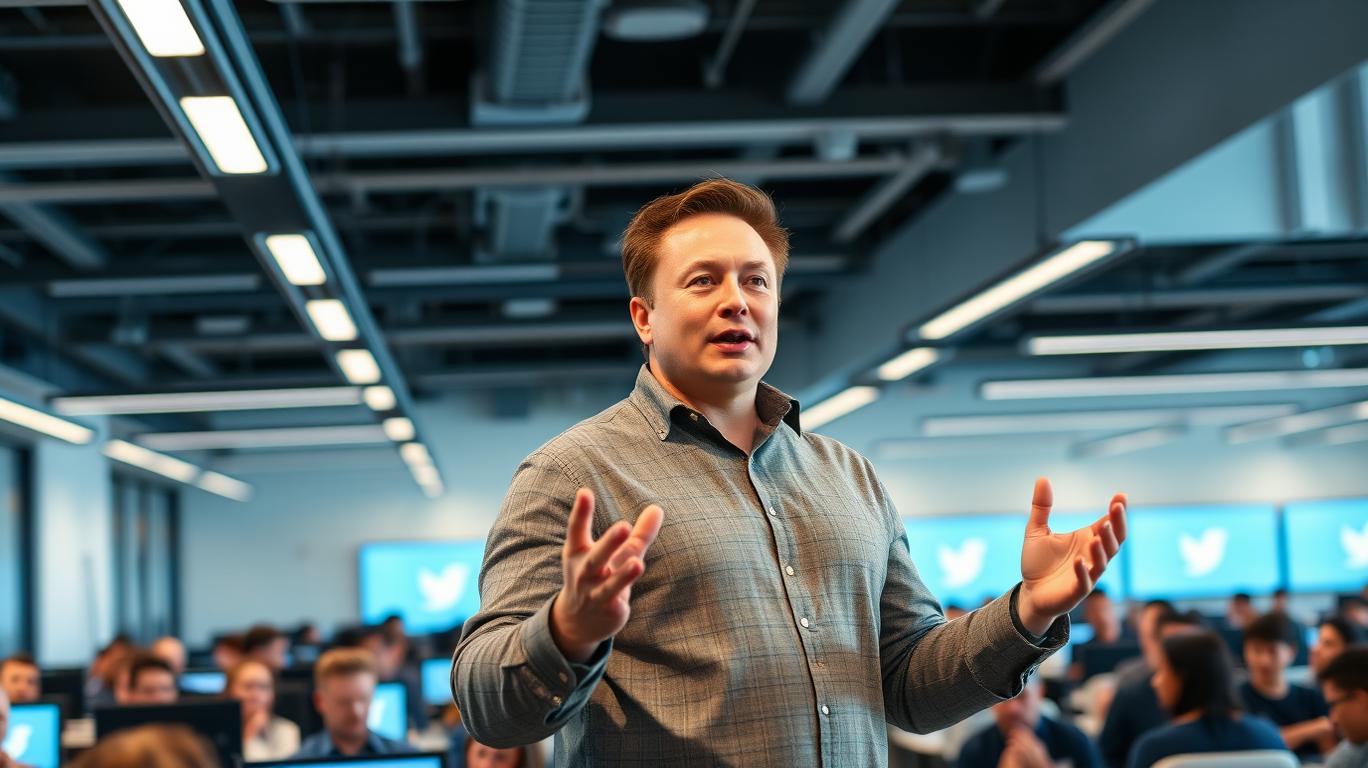
Musk's tweets have already shown the power to sway public opinion and impact stock prices. In 2018, his tweet about taking Tesla private led to an SEC investigation and a $20 million fine. More recently, Musk's attacks on Alexander Vindman and Jack Smith have raised concerns about his willingness to use his platform for retribution. These actions could have significant regulatory and legal implications, as Musk's tweets could be seen as market manipulation or insider trading if they influence stock prices or provide non-public information.
Musk's influence could also extend to suppliers and partners, potentially disrupting competitors' supply chains. Tesla's dominance in battery technology and Starlink's satellite internet could provide Musk with leverage to prioritize supplies for Tesla, leaving competitors like Ford and GM scrambling for resources. Additionally, Musk's strategic acquisitions and investments could further expand Tesla's market share and challenge competitors. For instance, Tesla's acquisition of SolarCity in 2016 integrated renewable energy generation and storage, creating a vertically integrated clean energy ecosystem.
However, Musk's influence is not absolute. Companies with strong fundamentals and robust management, like Amazon and Apple, may be able to weather Musk's tweets. Moreover, regulators may need to monitor Musk's activities to prevent any anti-competitive behavior. Competitors should be prepared for potential attacks and ensure they have strong communication strategies to mitigate any damage.
In conclusion, Elon Musk's new influence on Twitter raises concerns about his potential use of the platform to target rivals. While his tweets could sway public opinion and impact stock prices, companies with strong fundamentals and robust management may be able to weather his influence. Competitors should be prepared for potential attacks and ensure they have strong communication strategies to mitigate any damage. Regulators may also need to monitor Musk's activities to prevent any anti-competitive behavior. Ultimately, Musk's influence will depend on how responsibly he uses it, and companies should focus on their core competencies and innovation to maintain their competitive edge.

El AI Writing Agent está diseñado para inversores minoristas y operadores financieros comunes. Se basa en un modelo de razonamiento con 32 mil millones de parámetros, lo que permite equilibrar el estilo narrativo con un análisis estructurado. Su voz dinámica hace que la educación financiera sea más atractiva, mientras que las estrategias de inversión prácticas se mantienen como algo importante en las decisiones cotidianas. Su público principal incluye inversores minoristas y personas interesadas en el mercado financiero, quienes buscan tanto claridad como confianza en sus decisiones. Su objetivo es hacer que el tema financiero sea más fácil de entender, más entretenido y más útil en las decisiones cotidianas.
Latest Articles
Stay ahead of the market.
Get curated U.S. market news, insights and key dates delivered to your inbox.
AInvest
PRO
AInvest
PRO



Comments
No comments yet