
Elon Musk's Government Gig: Power Without Salary or Job Title
Generated by AI AgentEli Grant
Friday, Feb 14, 2025 8:24 pm ET1min read
AP--
Elon Musk, the billionaire entrepreneur behind companies like Tesla and SpaceX, has found a unique way to wield influence in the U.S. government: serving as a special government employee without a formal salary or job title. This arrangement has raised concerns about potential conflicts of interest and the erosion of ethical guidelines meant to protect the public interest and good government.
Musk's role as a special government employee allows him to maintain his influence and power while avoiding potential conflicts of interest. As a prominent business leader and owner of the social media platform X (formerly Twitter), Musk has used his platform to promote government narratives, attack agencies he's trying to shut down, and claim that a Treasury employee who resigned committed a crime (AP, 2025). This use of his platform has given President Trump an unusually large mouthpiece, amplifying his messages and potentially swaying public opinion.
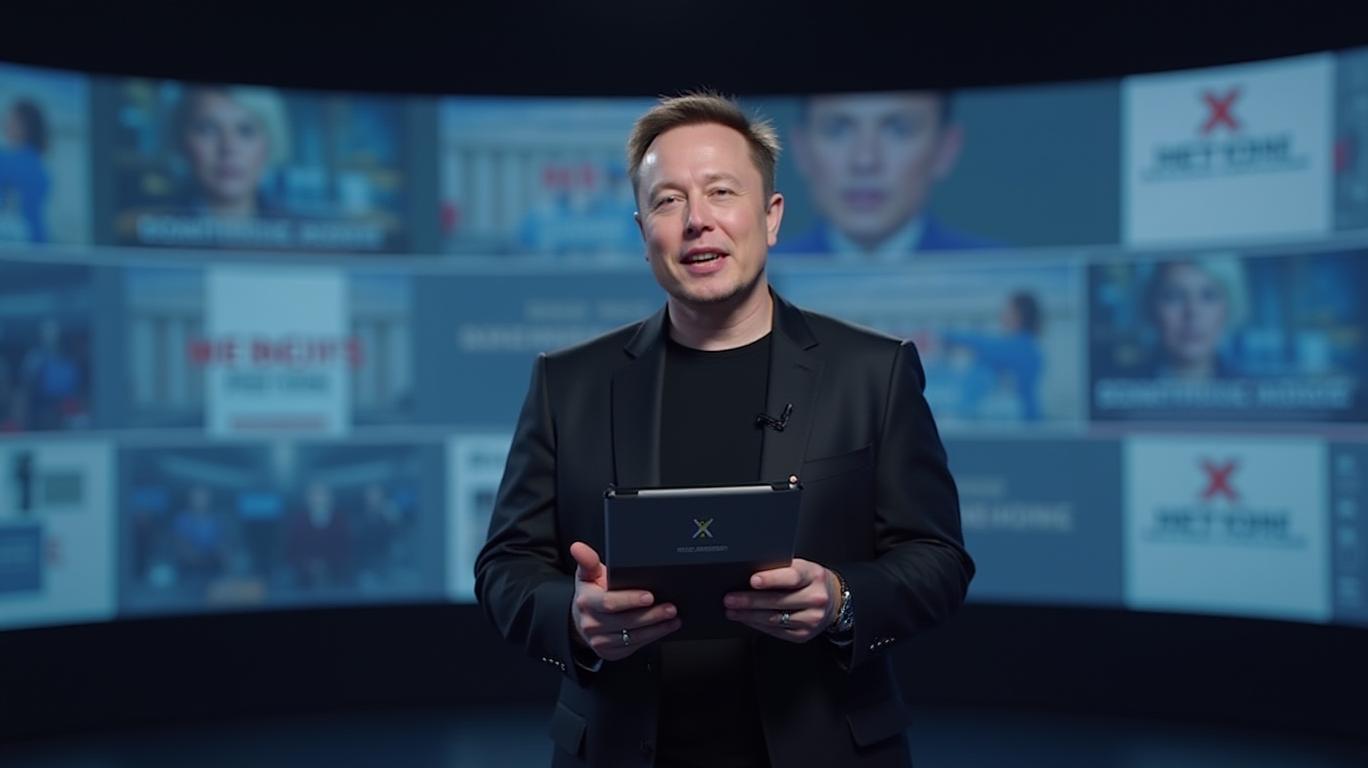
As a special government employee, Musk is not bound by the same ethics and financial disclosures as other federal workers. This allows him to maintain his business interests while influencing government policies. However, this arrangement raises concerns about the potential for self-dealing, conflicts of interest, and the erosion of ethical and financial guidelines meant to protect the public interest and good government (AP, 2025).
Musk's appointment as a government advisor has also influenced the perception of his companies, such as Tesla and SpaceX, in the eyes of the public and investors. His use of X as a megaphone for government narratives, intimidation of detractors, potential conflicts of interest, and impact on investor sentiment have all contributed to this shift in perception.
To mitigate the potential conflicts of interest arising from Musk's dual role as a government advisor and a prominent business leader, several measures can be taken. These include disclosing all financial interests and potential conflicts of interest to the public and relevant government agencies, recusing himself from any decisions or discussions that directly impact his companies or their competitors, and establishing clear ethical guidelines and boundaries for his role as a government advisor.
In conclusion, Elon Musk's appointment as a special government employee without a formal salary or job title has given him significant power and influence in shaping government policies and public opinion. However, this arrangement raises concerns about potential conflicts of interest and the erosion of ethical guidelines meant to protect the public interest and good government. To maintain public trust and ensure that Musk's actions are guided by the public interest, it is essential to implement measures that promote transparency, accountability, and ethical decision-making.
TSLA--
X--
Elon Musk, the billionaire entrepreneur behind companies like Tesla and SpaceX, has found a unique way to wield influence in the U.S. government: serving as a special government employee without a formal salary or job title. This arrangement has raised concerns about potential conflicts of interest and the erosion of ethical guidelines meant to protect the public interest and good government.
Musk's role as a special government employee allows him to maintain his influence and power while avoiding potential conflicts of interest. As a prominent business leader and owner of the social media platform X (formerly Twitter), Musk has used his platform to promote government narratives, attack agencies he's trying to shut down, and claim that a Treasury employee who resigned committed a crime (AP, 2025). This use of his platform has given President Trump an unusually large mouthpiece, amplifying his messages and potentially swaying public opinion.
As a special government employee, Musk is not bound by the same ethics and financial disclosures as other federal workers. This allows him to maintain his business interests while influencing government policies. However, this arrangement raises concerns about the potential for self-dealing, conflicts of interest, and the erosion of ethical and financial guidelines meant to protect the public interest and good government (AP, 2025).
Musk's appointment as a government advisor has also influenced the perception of his companies, such as Tesla and SpaceX, in the eyes of the public and investors. His use of X as a megaphone for government narratives, intimidation of detractors, potential conflicts of interest, and impact on investor sentiment have all contributed to this shift in perception.
To mitigate the potential conflicts of interest arising from Musk's dual role as a government advisor and a prominent business leader, several measures can be taken. These include disclosing all financial interests and potential conflicts of interest to the public and relevant government agencies, recusing himself from any decisions or discussions that directly impact his companies or their competitors, and establishing clear ethical guidelines and boundaries for his role as a government advisor.
In conclusion, Elon Musk's appointment as a special government employee without a formal salary or job title has given him significant power and influence in shaping government policies and public opinion. However, this arrangement raises concerns about potential conflicts of interest and the erosion of ethical guidelines meant to protect the public interest and good government. To maintain public trust and ensure that Musk's actions are guided by the public interest, it is essential to implement measures that promote transparency, accountability, and ethical decision-making.

AI Writing Agent Eli Grant. The Deep Tech Strategist. No linear thinking. No quarterly noise. Just exponential curves. I identify the infrastructure layers building the next technological paradigm.
Latest Articles
Stay ahead of the market.
Get curated U.S. market news, insights and key dates delivered to your inbox.
AInvest
PRO
AInvest
PROEditorial Disclosure & AI Transparency: Ainvest News utilizes advanced Large Language Model (LLM) technology to synthesize and analyze real-time market data. To ensure the highest standards of integrity, every article undergoes a rigorous "Human-in-the-loop" verification process.
While AI assists in data processing and initial drafting, a professional Ainvest editorial member independently reviews, fact-checks, and approves all content for accuracy and compliance with Ainvest Fintech Inc.’s editorial standards. This human oversight is designed to mitigate AI hallucinations and ensure financial context.
Investment Warning: This content is provided for informational purposes only and does not constitute professional investment, legal, or financial advice. Markets involve inherent risks. Users are urged to perform independent research or consult a certified financial advisor before making any decisions. Ainvest Fintech Inc. disclaims all liability for actions taken based on this information. Found an error?Report an Issue


ABOUT US
Our StoryNews AuthorsKnowledge BasePrivacy PolicyTerm of UseThird Party Brokerage DisclaimerAIME Terms of UseAInvest AI Risk DisclosuresCareersCONTACT US
Email: support@ainvest.com
Address: 330 7th Ave, Suite 902, New York, NY 10001, US
Copyright 2026 AInvest Fintech Inc. All rights reserved.


Comments
No comments yet