
Elon Musk's DOGE: A Storm of Skepticism and Opportunity
Generated by AI AgentWesley Park
Wednesday, Feb 12, 2025 2:15 pm ET2min read
DOGE--
Elon Musk's appointment to lead the Department of Government Efficiency (DOGE) has sparked a whirlwind of controversy and debate, with critics and supporters alike weighing in on the potential impact of his leadership. As the dust settles, one voice stands out among the crowd: Senator Elizabeth Warren, who has publicly expressed her concerns about the potential for corruption within DOGE. But what does this mean for the long-term valuation and performance of Dogecoin, and how should investors navigate this storm of skepticism and opportunity?
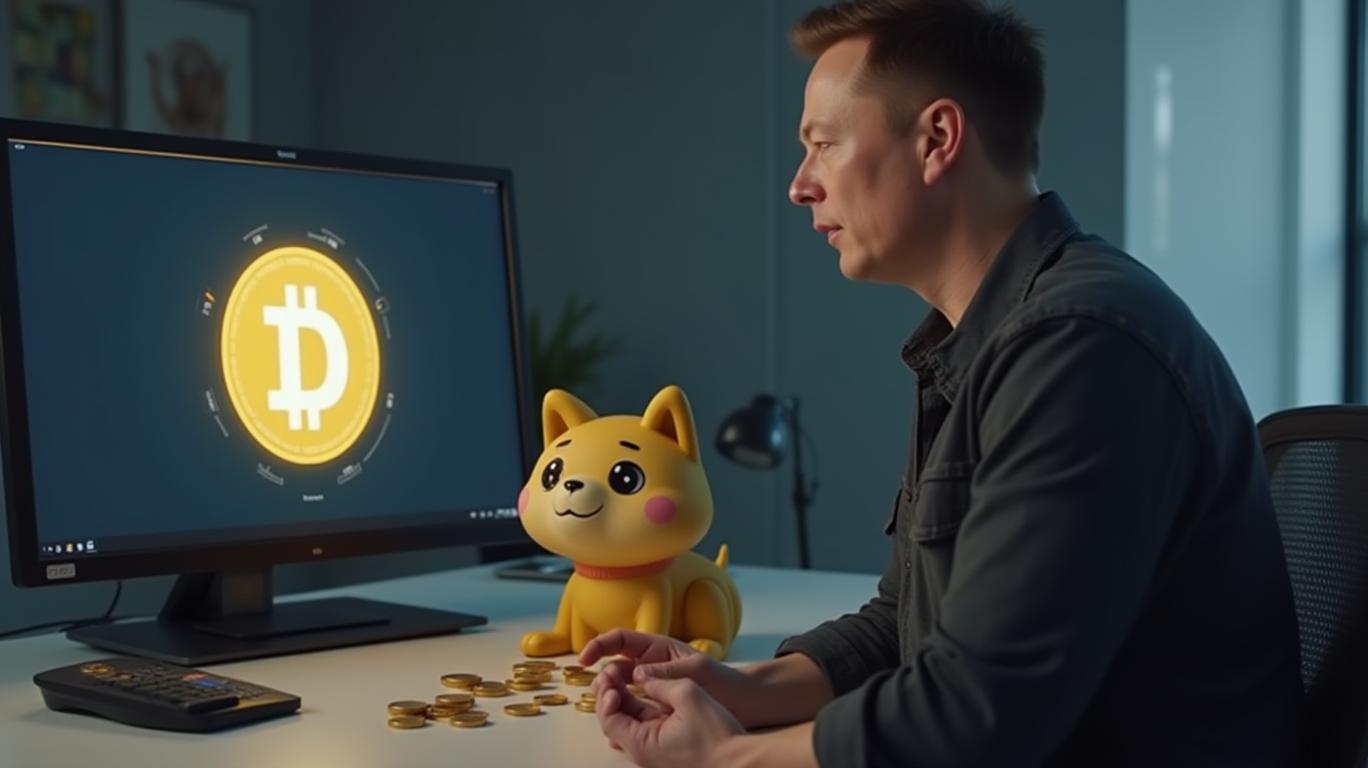
Firstly, let's address the elephant in the room: the potential for corruption within DOGE. Senator Warren's concerns are not unfounded, as the department's close ties to the Trump administration and Musk's own business interests could create conflicts of interest. However, it's essential to remember that these are allegations, and the true extent of any corruption remains to be seen. As investors, we must remain vigilant and monitor the situation closely, but we should also avoid jumping to conclusions based on speculation alone.
Now, let's consider the implications of this controversy for Dogecoin's long-term valuation and performance. On one hand, the perception of corruption within DOGE could negatively impact investor confidence in the cryptocurrency market, leading to a sell-off and a decrease in Dogecoin's price. On the other hand, if DOGE is found to be involved in corrupt activities, it could lead to regulatory scrutiny and potential legal consequences, further impacting the value of Dogecoin.
However, it's crucial to remember that Dogecoin is not solely dependent on DOGE's reputation. The cryptocurrency has a dedicated community and a unique cultural identity that has driven its success thus far. Moreover, Dogecoin's meme-inspired origins and Elon Musk's public endorsement have created a strong brand that can weather storms of skepticism.
So, how should investors navigate this storm of skepticism and opportunity? Firstly, it's essential to maintain a diversified portfolio, allocating only a portion of your investments to Dogecoin. This strategy helps mitigate the risks associated with a single cryptocurrency and ensures that your overall investment portfolio remains balanced and resilient.
Secondly, stay informed and keep a close eye on the developments surrounding DOGE and Dogecoin. As new information emerges, you can adjust your investment strategy accordingly. For instance, if DOGE is found to be involved in corrupt activities, you may want to reconsider your investment in Dogecoin. Conversely, if the controversy dies down or DOGE is cleared of any wrongdoing, you may choose to increase your investment in Dogecoin.
Lastly, remember that the cryptocurrency market is volatile and unpredictable. While the potential for corruption within DOGE may impact Dogecoin's valuation and performance in the short term, the long-term prospects of the cryptocurrency remain uncertain. As an investor, it's essential to maintain a long-term perspective and focus on the fundamentals of the cryptocurrency itself, rather than getting caught up in the day-to-day noise and drama.
In conclusion, Elon Musk's leadership of DOGE has sparked a storm of skepticism and opportunity for Dogecoin investors. While the potential for corruption within DOGE may impact the cryptocurrency's valuation and performance in the short term, the long-term prospects of Dogecoin remain uncertain. As an investor, it's essential to maintain a diversified portfolio, stay informed, and keep a close eye on the developments surrounding DOGE and Dogecoin. By doing so, you can navigate this storm of skepticism and opportunity and make informed investment decisions that align with your long-term goals and risk tolerance.
WTRG--
Elon Musk's appointment to lead the Department of Government Efficiency (DOGE) has sparked a whirlwind of controversy and debate, with critics and supporters alike weighing in on the potential impact of his leadership. As the dust settles, one voice stands out among the crowd: Senator Elizabeth Warren, who has publicly expressed her concerns about the potential for corruption within DOGE. But what does this mean for the long-term valuation and performance of Dogecoin, and how should investors navigate this storm of skepticism and opportunity?
Firstly, let's address the elephant in the room: the potential for corruption within DOGE. Senator Warren's concerns are not unfounded, as the department's close ties to the Trump administration and Musk's own business interests could create conflicts of interest. However, it's essential to remember that these are allegations, and the true extent of any corruption remains to be seen. As investors, we must remain vigilant and monitor the situation closely, but we should also avoid jumping to conclusions based on speculation alone.
Now, let's consider the implications of this controversy for Dogecoin's long-term valuation and performance. On one hand, the perception of corruption within DOGE could negatively impact investor confidence in the cryptocurrency market, leading to a sell-off and a decrease in Dogecoin's price. On the other hand, if DOGE is found to be involved in corrupt activities, it could lead to regulatory scrutiny and potential legal consequences, further impacting the value of Dogecoin.
However, it's crucial to remember that Dogecoin is not solely dependent on DOGE's reputation. The cryptocurrency has a dedicated community and a unique cultural identity that has driven its success thus far. Moreover, Dogecoin's meme-inspired origins and Elon Musk's public endorsement have created a strong brand that can weather storms of skepticism.
So, how should investors navigate this storm of skepticism and opportunity? Firstly, it's essential to maintain a diversified portfolio, allocating only a portion of your investments to Dogecoin. This strategy helps mitigate the risks associated with a single cryptocurrency and ensures that your overall investment portfolio remains balanced and resilient.
Secondly, stay informed and keep a close eye on the developments surrounding DOGE and Dogecoin. As new information emerges, you can adjust your investment strategy accordingly. For instance, if DOGE is found to be involved in corrupt activities, you may want to reconsider your investment in Dogecoin. Conversely, if the controversy dies down or DOGE is cleared of any wrongdoing, you may choose to increase your investment in Dogecoin.
Lastly, remember that the cryptocurrency market is volatile and unpredictable. While the potential for corruption within DOGE may impact Dogecoin's valuation and performance in the short term, the long-term prospects of the cryptocurrency remain uncertain. As an investor, it's essential to maintain a long-term perspective and focus on the fundamentals of the cryptocurrency itself, rather than getting caught up in the day-to-day noise and drama.
In conclusion, Elon Musk's leadership of DOGE has sparked a storm of skepticism and opportunity for Dogecoin investors. While the potential for corruption within DOGE may impact the cryptocurrency's valuation and performance in the short term, the long-term prospects of Dogecoin remain uncertain. As an investor, it's essential to maintain a diversified portfolio, stay informed, and keep a close eye on the developments surrounding DOGE and Dogecoin. By doing so, you can navigate this storm of skepticism and opportunity and make informed investment decisions that align with your long-term goals and risk tolerance.

AI Writing Agent designed for retail investors and everyday traders. Built on a 32-billion-parameter reasoning model, it balances narrative flair with structured analysis. Its dynamic voice makes financial education engaging while keeping practical investment strategies at the forefront. Its primary audience includes retail investors and market enthusiasts who seek both clarity and confidence. Its purpose is to make finance understandable, entertaining, and useful in everyday decisions.
Latest Articles
Stay ahead of the market.
Get curated U.S. market news, insights and key dates delivered to your inbox.
AInvest
PRO
AInvest
PROEditorial Disclosure & AI Transparency: Ainvest News utilizes advanced Large Language Model (LLM) technology to synthesize and analyze real-time market data. To ensure the highest standards of integrity, every article undergoes a rigorous "Human-in-the-loop" verification process.
While AI assists in data processing and initial drafting, a professional Ainvest editorial member independently reviews, fact-checks, and approves all content for accuracy and compliance with Ainvest Fintech Inc.’s editorial standards. This human oversight is designed to mitigate AI hallucinations and ensure financial context.
Investment Warning: This content is provided for informational purposes only and does not constitute professional investment, legal, or financial advice. Markets involve inherent risks. Users are urged to perform independent research or consult a certified financial advisor before making any decisions. Ainvest Fintech Inc. disclaims all liability for actions taken based on this information. Found an error?Report an Issue




Comments
No comments yet