
Elon Musk's $1 Trillion Pay Package: A Strategic Win for Tesla Shareholders?


 Aime Summary
The Structure of the Pay Package: Ambition Meets Incentive
The compensation package is structured as a performance-based stock grant, allowing Musk to earn up to 423.7 million additional Tesla shares over the next decade if he meets predefined targets, according to the IBTimes report. These include achieving a market cap of $8.5 trillion, delivering 20 million vehicles annually, and deploying 1 million robotaxis and humanoid robots, as noted by Marketscreener. If fully realized, Musk's ownership stake in Tesla could rise from 13% to 25%, significantly amplifying his control over corporate decisions, as the Legit.ng article notes.
This structure mirrors Tesla's broader strategy to transition from an electric vehicle manufacturer to a multi-sector technology platform. As stated by the company, the package is designed to "ensure Musk's continued focus on Tesla amid his leadership roles in SpaceX and xAI," according to the IBTimes report. However, the sheer scale of the package-nearly 20 times larger than the average S&P 500 CEO's compensation-raises questions about its alignment with industry standards, as reported by Indmoney.
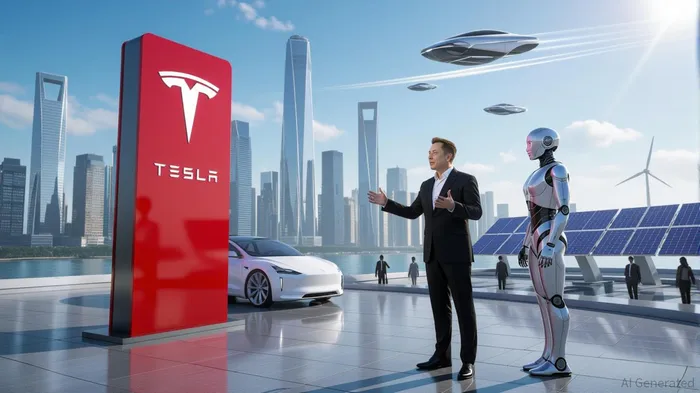
Corporate Governance Implications: Power, Dilution, and Legal Shifts
Tesla's board defended the package as a necessary measure to retain Musk's leadership, particularly after legal challenges to his previous $50 billion compensation plan in 2018, as noted by the Emegypt report. However, the approval process has drawn scrutiny. Critics highlight Tesla's recent incorporation shift from Delaware to Texas-a state with less stringent corporate governance rules-as a strategic move to bypass regulatory oversight, according to the Bitget report. This shift, coupled with Musk's growing voting power, has raised concerns about minority shareholder rights and the potential for concentrated control, as noted by the OpenTools AI article.
Proxy advisory firms like Glass Lewis and ISS have also expressed reservations. According to a report by Financial Express, these firms argue the package lacks attendance requirements for Musk and fails to restrict his political activities, which could expose Tesla to reputational and operational risks, as the Emegypt report notes. Norway's $2 trillion sovereign wealth fund, a major Tesla investor, similarly opposed the plan, citing "key person risk" and misalignment with long-term governance norms, as the Emegypt report notes.
Alignment with Long-Term Value Creation: Vision vs. Feasibility
Supporters of the package emphasize its potential to drive innovation. Tesla's board argues that tying Musk's compensation to milestones in AI, robotics, and energy solutions ensures his focus remains on transformative projects, as noted by the Indmoney report. For instance, the requirement to deploy 1 million robotaxis and humanoid robots aligns with Tesla's vision of becoming a leader in autonomous mobility and industrial automation, as reported by Marketscreener.
However, skeptics question the feasibility of these targets. Analysts estimate that achieving a $8.5 trillion market cap would require Tesla to outperform the entire U.S. economy, currently valued at around $26 trillion, as noted by the Indmoney report. Additionally, the package's lack of attendance requirements means Musk could continue juggling multiple ventures without direct oversight of Tesla's day-to-day operations, as noted by the OpenTools AI article.
Market Reaction and Investor Sentiment
The approval of the package coincided with a 3.68% drop in Tesla's stock price, signaling investor unease, as reported by TS2 Tech. While some shareholders view the deal as a vote of confidence in Musk's leadership, others see it as a governance misstep. As noted by Marketscreener, the dilution of shares-resulting from the issuance of 423.7 million new shares-could reduce earnings per share and erode shareholder value.
Moreover, the package's approval in Texas has sparked broader debates about the "race to the bottom" in corporate governance standards. Critics argue that Tesla's move to Texas prioritizes regulatory flexibility over accountability, potentially setting a problematic precedent for other companies, as noted by the Bitget report.
Conclusion: A High-Stakes Bet on Musk's Vision
Elon Musk's $1 trillion pay package represents a high-stakes gamble for Tesla shareholders. On one hand, it aligns Musk's incentives with long-term value creation through ambitious, performance-based milestones. On the other, it raises significant governance concerns, including concentrated power, shareholder dilution, and the feasibility of unrealistic targets.
While Tesla's board and supporters frame the package as a strategic necessity to retain Musk's leadership, critics warn it could undermine corporate accountability and set a dangerous precedent for executive compensation. As the company navigates this unprecedented deal, the true test will lie in whether Musk's vision translates into tangible value for shareholders-or becomes a cautionary tale of governance gone awry.

Delivering real-time insights and analysis on emerging financial trends and market movements.
Latest Articles
Stay ahead of the market.
Get curated U.S. market news, insights and key dates delivered to your inbox.
AInvest
PRO
AInvest
PRO



Comments
No comments yet