
Eliquis, Patent Expirations, and TrumpRX: How BMS is Adapting to a New Era in Drug Pricing


 Aime Summary
For investors keeping a close eye on the pharmaceutical sector, Bristol Myers Squibb’s (BMY) recent agreements and strategic moves are reshaping the landscape for blockbuster drugs like Eliquis. With patent cliffs looming and new regulatory frameworks taking shape, the company is adapting its approach to maintain profitability while balancing government demands for affordability. These developments highlight a broader trend in how drugmakers are navigating a shifting policy environment.
Drug pricing has long been a hot-button issue in U.S. healthcare, and 2025 has brought even more momentum to the cause. The Inflation Reduction Act (IRA) and President Trump’s recent TrumpRX initiative are accelerating price negotiations and cost controls, directly affecting companies like BMS. These changes are not just about cost — they’re reshaping how companies structure their pricing models and how they prepare for generic competition.
The way pharmaceutical companies protect their market exclusivity is increasingly complex. Primary patents on active drug ingredients often expire years before a generic can enter the market. Instead, companies like BMS and AbbVieABBV-- use secondary patents on formulations, delivery devices, and manufacturing methods to extend their dominance. These secondary patents are often the real gatekeepers, not the original molecule patents 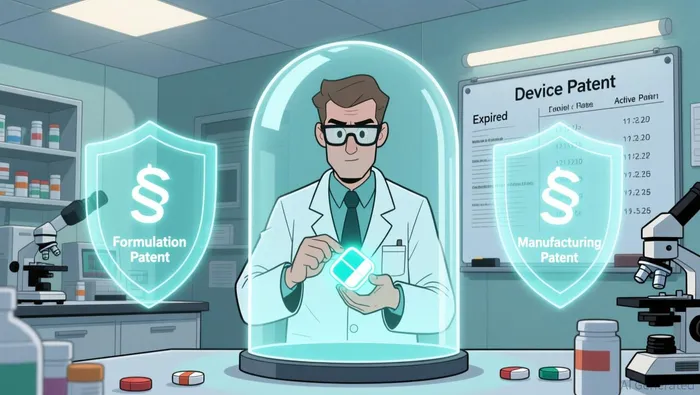 . This strategy has allowed some companies to delay generic competition for years — AbbVie famously used over 130 secondary patents to delay biosimilars for Humira for seven years after the primary patent expired.
Meanwhile, regulatory tools like the 30-month stay in Hatch-Waxman and the Biologics Price Competition and Innovation Act (BPCIA) provide legal pathways for innovators to challenge generic entrants. For example, the 30-month stay allows companies to litigate against generic manufacturers after a Paragraph IV certification, giving them a guaranteed period to fight market entry. This legal framework gives companies like BMS a significant buffer, though it’s increasingly being challenged by enforcement actions from bodies like the FTC and USPTO.
BMS is now operating in a new pricing environment shaped by Trump’s recent drug deals and the IRA’s Medicare price negotiations. Starting in 2026, Medicare enrollees will pay roughly 50% less for some medications, including Eliquis, thanks to negotiated prices and lower coinsurance. Seven of the top 10 drugs for Medicare Part D are expected to cost less than $100 per month. On top of that, BMS is agreeing to supply Eliquis for free to Medicaid patients starting in January 2026, as part of a government deal that includes tariff relief and a pledge not to face future pricing mandates according to company announcements.
These agreements aren’t without strategic benefits for BMS. In return for the free Medicaid offer and price concessions, the company will receive three years of tariff relief and avoid future pricing mandates, offering some regulatory clarity. It also gains time to develop and launch new drugs to offset the expected revenue declines from patent expirations. BMS has already raised its 2025 revenue guidance to between $47.5 billion and $48.0 billion, while investing in acquisitions and expanding its pipeline according to financial reports.
For investors, the most critical question is how BMS will manage its portfolio as key drugs like Eliquis face increasing pressure. The company is preparing for patent expirations for Eliquis, Revlimid, and Opdivo between 2025 and 2028. However, it’s also making significant investments in new therapeutic areas like neuroscience and radiopharmaceuticals. BMS plans to launch 10 new drugs and achieve 30 label expansions over the next five years, aiming to maintain a steady revenue stream.
The TrumpRX agreements are also adding new layers of complexity to drug pricing. Nine major pharmaceutical companies, including BMS, Roche, and Merck, have agreed to cut Medicaid drug prices and align new drug pricing with international benchmarks. In exchange, they receive tariff reprieves and access to a government-run platform, TrumpRX, for direct-to-consumer sales. These deals build on earlier agreements with Pfizer and AstraZeneca and show that the administration is making drug affordability a central focus of its policy agenda.
As these changes roll out, investors should keep a close eye on BMS’s Q4 and Q1 2026 earnings, which will show how its current strategy is holding up. The company also announced a 1.6% dividend increase in 2025, which suggests confidence in its cash flow and long-term prospects. Still, the broader regulatory environment remains uncertain. While BMS is adapting, the long-term impact of these pricing mandates and patent challenges will depend on how well the company can execute its pipeline strategy and balance profitability with affordability.
At the end of the day, the story of Eliquis and BMS is a microcosm of a broader shift in the pharmaceutical industry. With new regulations, pricing pressures, and evolving patient needs, the companies that succeed will be those that can innovate, adapt, and maintain strong financial fundamentals. For investors, understanding how BMS and others navigate these challenges will be key to making informed decisions in 2026 and beyond.

Delivering real-time insights and analysis on emerging financial trends and market movements.
Latest Articles
Stay ahead of the market.
Get curated U.S. market news, insights and key dates delivered to your inbox.
AInvest
PRO
AInvest
PRO



Comments
No comments yet