
Eli Lilly shares surge 3.38% on positive obesity drug pipeline developments
 Aime Summary
Eli Lilly's shares surged 3.3751% in pre-market trading on December 16, 2025, driven by positive developments in its obesity drug pipeline.
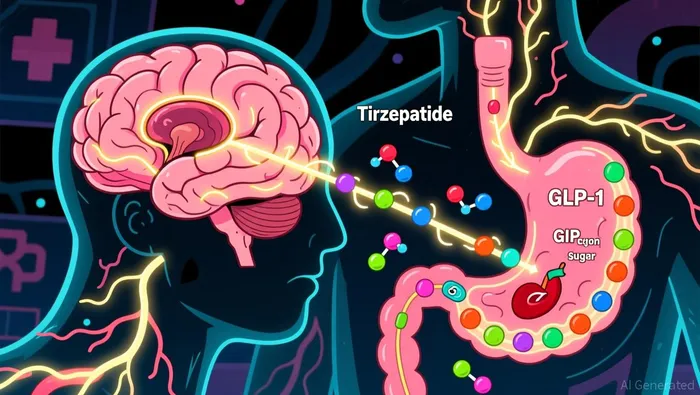
The company’s blockbuster weight loss drugs, including Zepbound and Mounjaro, continue to dominate the market. Tirzepatide, the active ingredient in these products, has achieved significant sales growth, with recent trials highlighting its efficacy in appetite and blood sugar control.
Investor optimism was further fueled by phase 3 results for retatrutide, a next-generation candidate. The drug demonstrated a 28% average weight loss over 68 weeks in high-dose participants, outperforming existing treatments. Its triple-hormone-targeting mechanism (GLP-1, GIP, glucagon) positions it as a potential market leader.
Upcoming catalysts include seven additional retatrutide phase 3 readouts in 2026. Analysts view these trials as critical for reinforcing Lilly’s leadership in the expanding $100 billion obesity drug market, though regulatory timelines remain a key uncertainty.
Meanwhile, the broader obesity drug market is expected to grow as new mechanisms and formulations enter clinical testing. However, challenges remain in long-term adherence and insurance coverage, particularly in the U.S. market. Despite this, the therapeutic potential of multi-hormone drugs like retatrutide is generating strong investor interest.
Long-term investors are also monitoring the competitive landscape, with companies like Novo Nordisk and Sanofi advancing their own GLP-1/GIP-based therapies. The market is likely to remain highly competitive for the next five years as more treatment options become available.

Get the scoop on pre-market movers and shakers in the US stock market.
Latest Articles
Stay ahead of the market.
Get curated U.S. market news, insights and key dates delivered to your inbox.
AInvest
PRO
AInvest
PRO



Comments
No comments yet