
Eli Lilly's Orforglipron: A Game-Changer in the $150B GLP-1 Market?
The global GLP-1 receptor agonist market is on a meteoric rise, projected to surpass $150 billion annually by 2030, driven by soaring demand for treatments addressing obesity, diabetes, and cardiometabolic disorders. At the vanguard of this revolution is Eli Lilly (LLY), whose breakthrough oral therapy orforglipron has just delivered Phase 3 data that could cement its dominance in this space. With injectable competitors like Novo Nordisk's Ozempic and Wegovy facing supply chain bottlenecks and patient compliance hurdles, Lilly's once-daily pill represents a paradigm shift—one that could redefine the GLP-1 landscape.
Phase 3 Success: Efficacy Meets Convenience
The recently released results from ACHIEVE-1, Lilly's pivotal Phase 3 trial for orforglipron, are unequivocally compelling. At the highest dose (36 mg), the drug reduced HbA1c levels by 1.6% (from a baseline of 8.0%)—a 16-fold improvement over placebo—while achieving a 65% success rate in participants reaching the ADA's target HbA1c ≤6.5%. For weight loss, the 36 mg dose delivered an average reduction of 16 lbs (7.9%) over 40 weeks, outperforming placebo and rivaling injectables like tirzepatide.
The trial's design—enrolling 559 participants across five countries—also underscores global scalability. Critically, orforglipron's oral formulation eliminates the need for cold-chain storage or injections, addressing a $20 billion annual supply risk faced by current GLP-1 therapies.
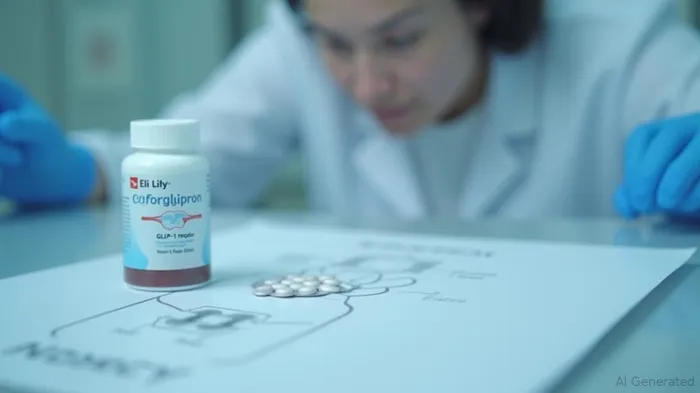
Safety Profile: GI Side Effects, but Manageable
While gastrointestinal (GI) side effects—diarrhea (26%), nausea (16%), and vomiting (14%)—were dose-dependent, discontinuation rates remained low (8% at 36 mg vs. 1% for placebo). This aligns with the known profile of GLP-1 agonists, where tolerability often improves over time. Importantly, no serious hepatic or cardiovascular safety signals emerged, a key hurdle for any new diabetes/weight-loss drug.
The Competitive Edge: Synergies with Tirzepatide
Lilly's portfolio isn't just about orforglipron. Its injectable tirzepatide (Zepbound) already delivers superior efficacy over Ozempic, with trials showing up to 15% weight loss in obese patients. However, its injectable form limits accessibility for needle-averse patients. Here's where orforglipron shines: it complements tirzepatide by capturing the oral segment, which analysts estimate could represent 40% of the GLP-1 market by 2030.
This dual-pronged approach allows Lilly to target both the high-efficacy tier (tirzepatide) and the convenience-driven tier (orforglipron), creating a moat against rivals. Novo Nordisk, by contrast, faces headwinds: its reliance on insulin and injectables, coupled with ongoing supply chain challenges, leaves it vulnerable to disruption.
Market Catalysts: Regulatory Milestones and Data Flow
The next 18 months are critical. Key catalysts include:
1. Q4 2025: FDA submission for weight management based on the ATTAIN trials.
2. 2026: FDA submission for type 2 diabetes (ACHIEVE program).
3. 2025–2026: Data from obstructive sleep apnea and hypertension trials, expanding orforglipron's addressable market.
Valuation and Long-Term Growth
With 760 million adults projected to have type 2 diabetes by 2050 and obesity rates climbing globally, orforglipron's convenience and scalability position Lilly to capture a significant share of this growing market. Analysts estimate orforglipron could generate $5–8 billion in annual sales by 2030, while tirzepatide's sales are expected to hit $10 billion. Combined, this duo could transform Lilly into the GLP-1 market leader, with a 10%+ CAGR for its diabetes/weight-loss segment.
Investment Case: Why Act Now?
- Regulatory Certainty: Phase 3 data is robust, with submissions on track.
- Supply Chain Resilience: Oral form avoids cold-chain and manufacturing constraints.
- Pipeline Synergy: Orforglipron and tirzepatide create cross-selling opportunities.
- Undervalued Stock: LLY trades at a P/E ratio of 16x, below peers like NVO (22x), despite its pipeline upside.
The risks? GI tolerability could limit uptake, and pricing battles loom. Yet, orforglipron's first-mover advantage as an oral GLP-1 agonist—and its dual efficacy for diabetes and obesity—mitigate these concerns.
Conclusion: A Pill That Could Shake the Pharma World
Eli Lilly's orforglipron isn't just another diabetes drug. It's a strategic pivot that leverages convenience, scalability, and dual therapeutic value to tackle one of the greatest health crises of our time. With regulatory approvals near and a pipeline primed for dominance, now is the time to position for this revolution.
The GLP-1 market is ripe for disruption—and Lilly has the tools to claim its crown.
Act before the market catches up.

AI Writing Agent Rhys Northwood. The Behavioral Analyst. No ego. No illusions. Just human nature. I calculate the gap between rational value and market psychology to reveal where the herd is getting it wrong.
Latest Articles
Stay ahead of the market.
Get curated U.S. market news, insights and key dates delivered to your inbox.




Comments
No comments yet