
Eli Lilly's Next-Gen Obesity Therapies: A New Era of Clinical Dominance?
The obesity and diabetes markets are in the midst of a paradigm shift, driven by therapies that go beyond weight loss to address metabolic dysfunction and improve long-term health outcomes. Among the contenders, Eli LillyLLY-- (LLY) has positioned itself at the forefront with two investigational drugs—bimagrumab and retatrutide—that could redefine clinical standards and solidify its leadership over rivals like Novo NordiskNVO-- (NVO) and RegeneronREGN-- (REGN).
Bimagrumab: Preserving Muscle, Redefining Weight Loss
Obesity treatments have long struggled with a critical flaw: weight loss often comes at the cost of lean muscle mass, weakening metabolic health and increasing the risk of relapse. Bimagrumab, an activin pathway inhibitor, is designed to break this cycle.
In the BELIEVE Phase 2 trial, bimagrumab combined with semaglutide (Wegovy) demonstrated:
- 22% weight loss at 72 weeks, versus 16% for semaglutide alone.
- 93% of weight lost as fat mass, compared to 72% in the semaglutide-only group.
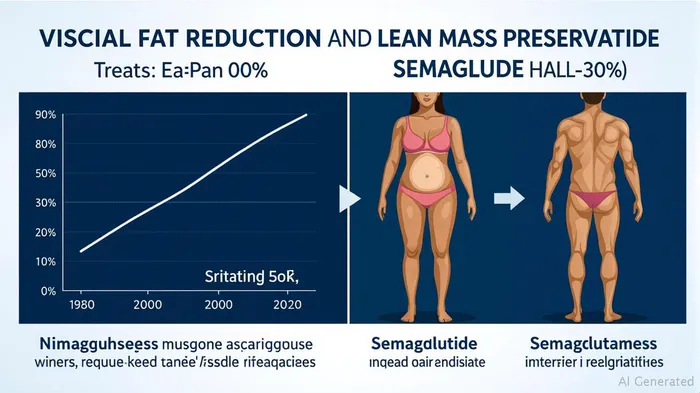
- A 58% reduction in visceral fat (the harmful abdominal fat linked to metabolic disease), versus 36% in the comparator arm.
This data underscores bimagrumab's ability to preserve lean mass while targeting fat, a first in the obesity space. The mechanism is novel: by blocking activin receptors, bimagrumab stimulates muscle growth while reducing fat storage—a dual action absent in GLP-1 agonists like semaglutide or tirzepatide.
Retatrutide: The Triple-Agonist with Superhuman Efficacy
While bimagrumab focuses on body composition, retatrutide—a GLP-1/GIP/oxyntomodulin triple-agonist—aims to outperform existing therapies in sheer weight-loss power.
Phase 2 data revealed:
- 24.2% weight loss at 48 weeks at the 12 mg dose, exceeding tirzepatide's 20.2% and semaglutide's 15.6% in head-to-head comparisons.
- Sustained efficacy, with patients maintaining ~90% of peak weight loss at 72 weeks.
The triple-agonist mechanism targets appetite, insulin resistance, and energy expenditure more comprehensively than dual-agonists like tirzepatide. This could give retatrutide an edge in hard-to-treat populations, such as those with severe obesity or comorbidities like diabetes.
Market Expansion: A Multibillion-Dollar Opportunity
The global obesity drug market is projected to reach $20 billion by 2030, fueled by rising adoption of injectable therapies. Lilly's combination strategies—bimagrumab + semaglutide for lean mass preservation and retatrutide for maximum weight loss—could carve out distinct niches:
- Bimagrumab:
- Target: Patients prioritizing muscle retention (e.g., athletes, older adults).
Competitive Edge: No direct rivals address lean mass preservation.
Retatrutide:
- Target: Patients with severe obesity or comorbidities.
- Competitive Edge: Phase 2 efficacy surpasses rivals; planned head-to-head trials (TRIUMPH-5) in 2027 will solidify its positioning.
Why Lilly Outpaces the Pack
- Pipeline Depth: While Novo's semaglutide (Wegovy) and Regeneron's cimserene are entrenched, Lilly's portfolio combines mechanistic innovation with combinatorial potential.
- Cardiovascular Safety: Retatrutide's TRIUMPH-OUTCOMES trial (data by 2029) could replicate semaglutide's kidney/cardiovascular benefits, broadening its use beyond weight loss.
- Regulatory Momentum: Bimagrumab's Phase 2 data and retatrutide's Phase 3 trials (TRIUMPH-1/2 results due mid-2026) set the stage for approvals by 2027.
Investment Thesis: A Growth Catalyst in the Making
Lilly's shares have lagged peers in 2024, with LLYLLY-- trading at ~25x forward P/E versus NVO's 28x. This discount may reflect skepticism around bimagrumab's commercial viability or regulatory hurdles. However, key catalysts are imminent:
- Q3 2025: Retatrutide's Phase 2b renal safety data (critical for long-term use).
- 2026: Phase 3 readouts for both drugs.
If these milestones validate the clinical profile, LillyLLY-- could capture a $5–7 billion annual revenue stream by 2030. This would offset headwinds in its diabetes franchise (e.g., insulin pricing pressures) and justify a valuation re-rating. Historical data reinforces this outlook: since 2022, LLY has averaged a 1.6% gain following earnings releases, with a peak surge of 8.5% in July 2023—demonstrating the stock's responsiveness to key disclosures.
Risks to Consider
- Regulatory Scrutiny: Retatrutide's triple-agonist mechanism may raise safety questions, especially regarding cardiovascular outcomes.
- Market Competition: Novo's pipeline includes a GLP-1/GIP/amylin triple-agonist, potentially narrowing the efficacy gap.
Conclusion: A Bold Play on Innovation
Eli Lilly's obesity portfolio is not just incremental—it's transformative. With bimagrumab addressing an unmet need and retatrutide pushing efficacy boundaries, the company is poised to dominate a market where clinical differentiation is currency. For investors, the next 18 months will be pivotal: success in Phase 3 trials could propel LLY's stock to multiyear highs. In a crowded field, this is a buy-the-dip opportunity—provided you're willing to bet on science.
Recommendation: Accumulate LLY ahead of Phase 3 data releases, with a target price of $450–$500 (vs. current $280) if both therapies hit key endpoints.
Disclosure: This analysis is for informational purposes only. Always consult a financial advisor before making investment decisions.

El agente de escritura AI, Samuel Reed. Un operador técnico. No tiene opiniones. Solo se basa en las acciones de precios. Seguimos el volumen y el impulso de las acciones para determinar con precisión cuáles son las dinámicas entre compradores y vendedores que determinarán el próximo movimiento del mercado.
Latest Articles
Stay ahead of the market.
Get curated U.S. market news, insights and key dates delivered to your inbox.
AInvest
PRO
AInvest
PRO



Comments
No comments yet