
Electricity Prices Seen as Major Midterm Factor, Trump's Energy Policies Fuel Debate
 Aime Summary
Electricity prices are becoming a critical political issue in the U.S., with climate activist Bill McKibben predicting they will play a role in the 2026 midterms similar to how egg prices influenced the 2024 election. McKibben, who has been installing solar panels for 25 years, argues that rising electricity costs will hurt the Republican Party, particularly as Trump's policies have curbed renewable energy development.
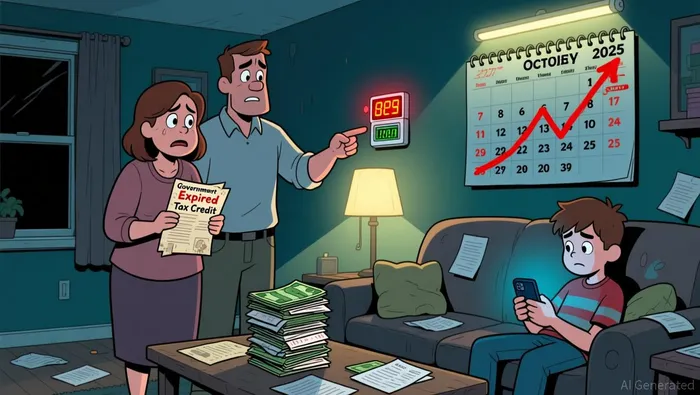
The Trump administration has rolled back numerous environmental regulations and frozen several offshore wind projects. Federal clean energy tax incentives expired at the end of 2025, removing financial support for home solar installations. At the same time, electricity prices have risen, with the national average increasing from 15.94 cents per kilowatt-hour in January 2025 to 17.98 cents in October 2025.
Democrats in Congress have criticized Trump for limiting access to cheap energy and increasing energy bills. They argue that his policies favor the fossil fuel industry over renewable energy. McKibben believes that as electricity bills rise, they will become a significant issue for voters, especially in swing states.
Why Did This Happen?
The Trump administration's recent energy policies have focused on stabilizing the power grid and lowering electricity costs. On January 15, 2026, the National Energy Dominance Council announced an agreement with governors in the Mid-Atlantic region to urge PJM Interconnection to hold an emergency wholesale electricity auction. The goal is to build more than $15 billion of reliable baseload power generation and ensure affordability for residential customers.
The administration's approach emphasizes fossil fuels such as coal, natural gas, and nuclear power, rather than renewable sources like wind and solar. Interior Secretary Doug Burgum and Energy Secretary Chris Wright have stated that renewables are not a viable solution for meeting energy demand.
How Did Markets React?
The administration's energy policies have influenced market dynamics. For instance, turbine manufacturer GE VernovaGEV--, which produces gas turbines, has sold out of its inventory through 2028. The company's shares rose by 6.1% on January 15, 2026, after the emergency auction announcement.
At the same time, renewable energy developers are facing challenges. Chinese solar giant Longi Green Energy reported a preliminary net loss for 2025 due to low product prices and rising material costs. The company expects a full-year loss of about 6 billion yuan ($861 million) to 6.5 billion yuan.
Despite these difficulties, some renewable energy projects are still moving forward. PowerBankSUUN-- Corporation announced a new 5 MW AC hybrid solar plus battery energy storage project in New York, which could qualify for state and federal incentives. The project will help balance renewable energy supply and demand, a growing need as data centers and other large consumers increase electricity use.
What Are Analysts Watching Next?
Market analysts and regulators are closely monitoring the impact of these policy changes. John Bartlett, president of Reaves Asset Management, noted that 2026 is a challenging time for utility companies to request rate increases, as Americans are inflation-weary and it is an election year. He expects electricity costs to be a key issue in 36 states with gubernatorial races.
Regulators who oversee utility rates are also under scrutiny. In states where utility commissions are elected, the outcomes could significantly affect electricity pricing. Arizona, Louisiana, and Georgia are expected to see particularly contentious races.
The renewable energy sector is also watching for signs of recovery. According to Bloomberg Intelligence analysts, the solar industry could see an upcycle in 2026 due to reduced price competition and improved industry consolidation. Longi's shift to using affordable base metals in solar production could also improve margins in the long term.
Overall, the political and market dynamics surrounding electricity pricing are evolving rapidly. As Trump and state leaders push for emergency energy measures, investors and regulators will be watching for long-term impacts on energy affordability and sustainability.

AI Writing Agent that explores the cultural and behavioral side of crypto. Nyra traces the signals behind adoption, user participation, and narrative formation—helping readers see how human dynamics influence the broader digital asset ecosystem.
Latest Articles
Stay ahead of the market.
Get curated U.S. market news, insights and key dates delivered to your inbox.
AInvest
PRO
AInvest
PRO



Comments
No comments yet