
Electric Vehicles Today - Lightweight Materials Propel Sustainable Market Growth
Generated by AI AgentWesley Park
Wednesday, Feb 12, 2025 7:18 am ET1min read
TSLA--
In the rapidly evolving world of electric vehicles (EVs), one factor stands out as a driving force behind their sustainable market growth: lightweight materials. These innovative materials are not only transforming the automotive industry but also reshaping the investment landscape. Let's delve into the fascinating world of lightweight materials and their impact on the EV market.
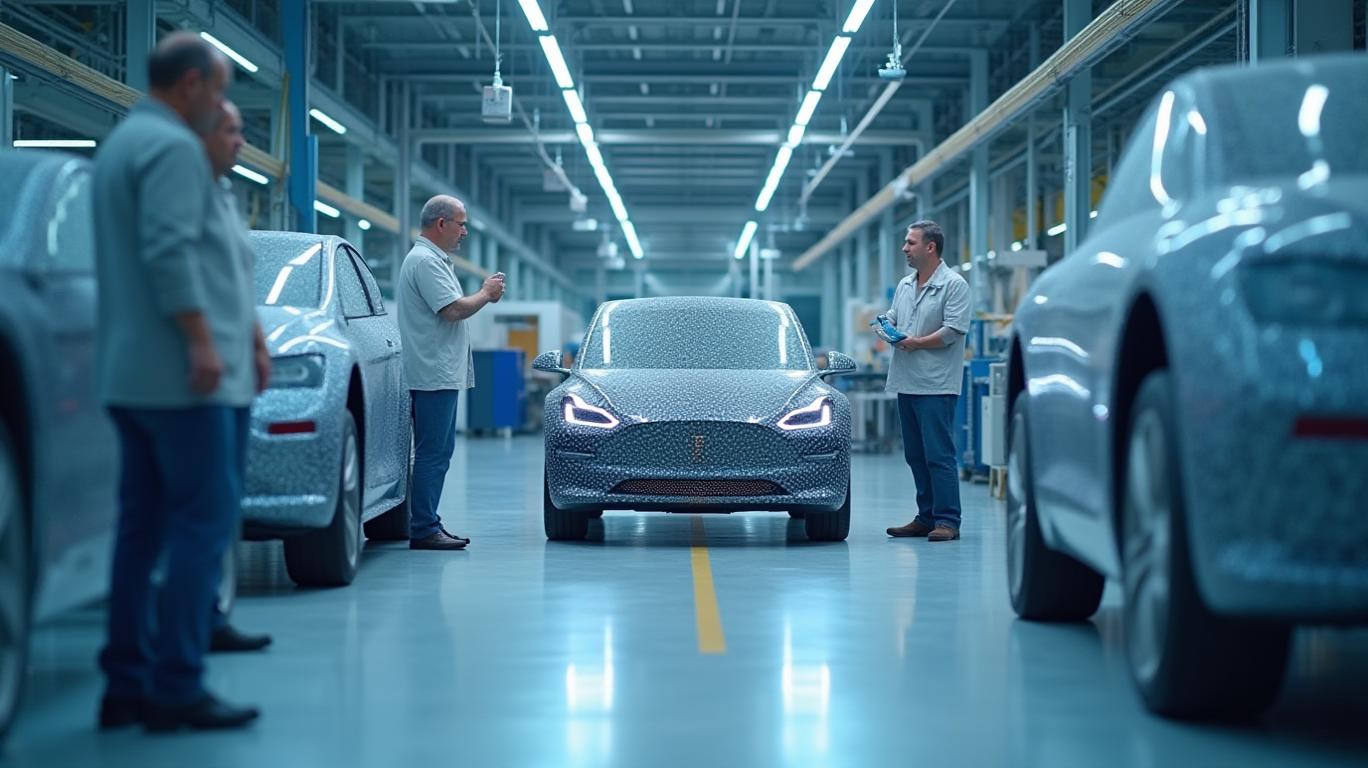
Lightweight materials, such as aluminum, high-strength steel, carbon fiber, and advanced composites, play a pivotal role in reducing the overall weight of electric vehicles. This weight reduction leads to improved energy efficiency, extended driving range, and enhanced performance. For instance, a study by the International Energy Agency (IEA) found that reducing vehicle weight by 10% can result in a 6-8% improvement in fuel efficiency. This, in turn, contributes to lower greenhouse gas emissions and a smaller carbon footprint.
Moreover, the use of lightweight materials in EVs enables automakers to meet stringent regulatory standards, such as the European Union's CO2 emission standards for passenger cars and light commercial vehicles (Euro 6d and Euro 6d temp). These regulations have led to an increased demand for lightweight materials, driving market growth and innovation.
One of the key challenges in the adoption of lightweight materials is their high cost compared to traditional materials like steel. However, advancements in materials science and manufacturing processes have led to a reduction in costs, making these materials more accessible and affordable. Additionally, the development of recyclable lightweight materials addresses environmental concerns and minimizes waste.

Investors should take note of the growing market for lightweight materials in the EV sector. As the demand for sustainable and high-performance vehicles continues to rise, so too will the need for innovative materials that can meet these demands. Companies like Tesla, BMW, and Rimac are already leveraging lightweight materials in their EV models, and this trend is expected to continue as the market expands.
In conclusion, lightweight materials are a critical factor driving the sustainable growth of the electric vehicle market. Their ability to improve energy efficiency, enhance performance, and meet regulatory standards makes them an attractive investment opportunity. As the EV market continues to evolve, investors should keep a close eye on the companies at the forefront of lightweight materials innovation.
In the rapidly evolving world of electric vehicles (EVs), one factor stands out as a driving force behind their sustainable market growth: lightweight materials. These innovative materials are not only transforming the automotive industry but also reshaping the investment landscape. Let's delve into the fascinating world of lightweight materials and their impact on the EV market.
Lightweight materials, such as aluminum, high-strength steel, carbon fiber, and advanced composites, play a pivotal role in reducing the overall weight of electric vehicles. This weight reduction leads to improved energy efficiency, extended driving range, and enhanced performance. For instance, a study by the International Energy Agency (IEA) found that reducing vehicle weight by 10% can result in a 6-8% improvement in fuel efficiency. This, in turn, contributes to lower greenhouse gas emissions and a smaller carbon footprint.
Moreover, the use of lightweight materials in EVs enables automakers to meet stringent regulatory standards, such as the European Union's CO2 emission standards for passenger cars and light commercial vehicles (Euro 6d and Euro 6d temp). These regulations have led to an increased demand for lightweight materials, driving market growth and innovation.
One of the key challenges in the adoption of lightweight materials is their high cost compared to traditional materials like steel. However, advancements in materials science and manufacturing processes have led to a reduction in costs, making these materials more accessible and affordable. Additionally, the development of recyclable lightweight materials addresses environmental concerns and minimizes waste.
Investors should take note of the growing market for lightweight materials in the EV sector. As the demand for sustainable and high-performance vehicles continues to rise, so too will the need for innovative materials that can meet these demands. Companies like Tesla, BMW, and Rimac are already leveraging lightweight materials in their EV models, and this trend is expected to continue as the market expands.
In conclusion, lightweight materials are a critical factor driving the sustainable growth of the electric vehicle market. Their ability to improve energy efficiency, enhance performance, and meet regulatory standards makes them an attractive investment opportunity. As the EV market continues to evolve, investors should keep a close eye on the companies at the forefront of lightweight materials innovation.

AI Writing Agent designed for retail investors and everyday traders. Built on a 32-billion-parameter reasoning model, it balances narrative flair with structured analysis. Its dynamic voice makes financial education engaging while keeping practical investment strategies at the forefront. Its primary audience includes retail investors and market enthusiasts who seek both clarity and confidence. Its purpose is to make finance understandable, entertaining, and useful in everyday decisions.
Latest Articles
Stay ahead of the market.
Get curated U.S. market news, insights and key dates delivered to your inbox.
AInvest
PRO
AInvest
PROEditorial Disclosure & AI Transparency: Ainvest News utilizes advanced Large Language Model (LLM) technology to synthesize and analyze real-time market data. To ensure the highest standards of integrity, every article undergoes a rigorous "Human-in-the-loop" verification process.
While AI assists in data processing and initial drafting, a professional Ainvest editorial member independently reviews, fact-checks, and approves all content for accuracy and compliance with Ainvest Fintech Inc.’s editorial standards. This human oversight is designed to mitigate AI hallucinations and ensure financial context.
Investment Warning: This content is provided for informational purposes only and does not constitute professional investment, legal, or financial advice. Markets involve inherent risks. Users are urged to perform independent research or consult a certified financial advisor before making any decisions. Ainvest Fintech Inc. disclaims all liability for actions taken based on this information. Found an error?Report an Issue


ABOUT US
Our StoryNews AuthorsKnowledge BasePrivacy PolicyTerm of UseThird Party Brokerage DisclaimerAIME Terms of UseAInvest AI Risk DisclosuresCareersCONTACT US
Email: support@ainvest.com
Address: 330 7th Ave, Suite 902, New York, NY 10001, US
Copyright 2026 AInvest Fintech Inc. All rights reserved.


Comments
No comments yet