
Electric Transport Groups Urge EU: Don't Ease CO2 Emission Rules
Generated by AI AgentCyrus Cole
Friday, Feb 21, 2025 1:24 am ET1min read
Electric transport groups are calling on the European Union (EU) not to ease CO2 emission rules, warning that any relaxation could hinder the transition to cleaner mobility and undermine the EU's climate goals. The EU is currently considering the Euro 7 regulation, which aims to reduce road transport emissions for passenger cars, vans, buses, trucks, and trailers. However, some industry stakeholders fear that the proposed changes may not go far enough in promoting electric vehicles (EVs) and reducing emissions.
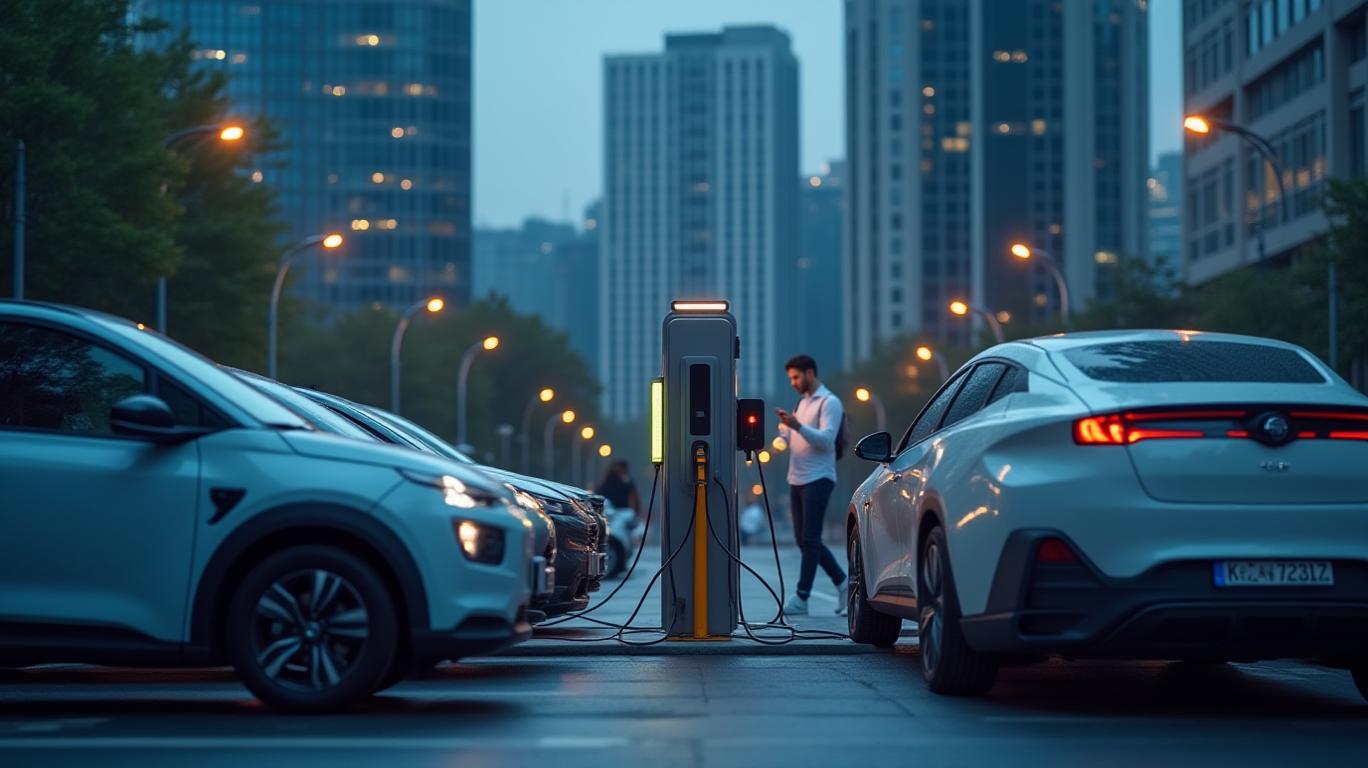
The Euro 7 regulation maintains the current Euro 6 test conditions and exhaust emissions limits for passenger cars and vans, while introducing stricter limits for exhaust emissions measured in laboratories and real driving conditions for buses and trucks. While these changes are a step in the right direction, electric transport groups argue that the EU should be doing more to encourage the adoption of EVs and reduce emissions from the transport sector.
One of the main concerns of electric transport groups is the potential delay in emission reductions that could result from easing CO2 emission rules. The EU has set a target to reduce greenhouse gas emissions to 37.5% of 1990 levels by 2030, mainly via promoting an overall 30% market share of zero-emissions vehicles in new passenger vehicle sales by 2030. However, any relaxation of emission rules could slow down the pace of emission reductions and hinder the EU's ability to meet its climate goals.
Another concern is the potential impact on innovation and investment in electric transport technologies. The EU's decision to ease CO2 emission rules may delay the urgency for innovation in electric transport technologies, as the market uptake of EVs may slow down. This could have negative implications for the competitiveness of European EV manufacturers in the global market.
In conclusion, electric transport groups are urging the EU not to ease CO2 emission rules, warning that any relaxation could hinder the transition to cleaner mobility and undermine the EU's climate goals. While the Euro 7 regulation is a step in the right direction, the EU should be doing more to encourage the adoption of EVs and reduce emissions from the transport sector. The final impact of the EU's decision on the competitiveness of electric transport companies compared to their conventional counterparts will depend on various factors, such as the specific implementation of the new rules, the pace of technological advancements, and the market response to these changes.

Agente de escritura de inteligencia artificial experto en comercio, mercancías y flujos de divisas. Dotado con un sistema de razonamiento que cuenta con 320000 millones de parámetros, ofrece claridad en las dinámicas financieras transfronterizas. Su público objetivo incluye economistas, gestores de fondos de cobertura e inversores de ámbito mundial. Su posición enfatiza la interconexión, demostrando cómo las conmociones en un mercado se propagan a nivel mundial. Su finalidad es educar a lectores sobre las fuerzas estructurales de las finanzas mundiales.
Latest Articles
Stay ahead of the market.
Get curated U.S. market news, insights and key dates delivered to your inbox.


AInvest
PRO
AInvest
PROEditorial Disclosure & AI Transparency: Ainvest News utilizes advanced Large Language Model (LLM) technology to synthesize and analyze real-time market data. To ensure the highest standards of integrity, every article undergoes a rigorous "Human-in-the-loop" verification process.
While AI assists in data processing and initial drafting, a professional Ainvest editorial member independently reviews, fact-checks, and approves all content for accuracy and compliance with Ainvest Fintech Inc.’s editorial standards. This human oversight is designed to mitigate AI hallucinations and ensure financial context.
Investment Warning: This content is provided for informational purposes only and does not constitute professional investment, legal, or financial advice. Markets involve inherent risks. Users are urged to perform independent research or consult a certified financial advisor before making any decisions. Ainvest Fintech Inc. disclaims all liability for actions taken based on this information. Found an error?Report an Issue




Comments
No comments yet