
Why Used Electric Cars Are Becoming A Smarter Buy Than New Ones In 2026
 Aime Summary
Used electric vehicles (EVs) now save owners up to $13,000 over 10 years compared to internal combustion vehicles due to lower maintenance and fuel costs according to a University of Michigan study. In March 2026, , as reported by the San Francisco Chronicle. , driven by the expiration of and regulatory changes according to InsideEVs. , nearly three times the average fuel tax for gas vehicles as detailed by AOL. As lease returns for EVs surge, face residual value challenges, according to .
The electric car market is at a crossroads. New EV buyers are feeling the pinch from the expiration of tax credits and a drop in consumer incentives, while used EVs are becoming more accessible and affordable for cost-conscious buyers. Meanwhile, EV owners in California are enjoying robust monthly savings on fuel, but new federal and state-level regulatory changes could change the ownership equation. With lease returns, residual values, and policy shifts shaping the market, what does this mean for investors and consumers in the long run?
What is the current cost advantage of electric cars over gas vehicles in California?
For California drivers, the financial benefits of switching to electric vehicles are clear. In March 2026, , according to the . This widening gap is due to rising gas prices and improvements in EV efficiency. In parts of the Bay Area, , . While these fluctuations can affect savings for specific EV models, the overall trend is that EVs remain a more economical choice for most drivers, especially in high-cost regions.
However, the initial cost of EVs, combined with higher insurance and registration fees, can offset some of these savings. , making them more competitive with traditional vehicles according to InsideEVs. With more used EVs now available and prices trending downward, the ownership equation is shifting in favor of EVs—even if gas prices dip later in the year.
What is driving the shift in the used EV market and why it matters for investors?
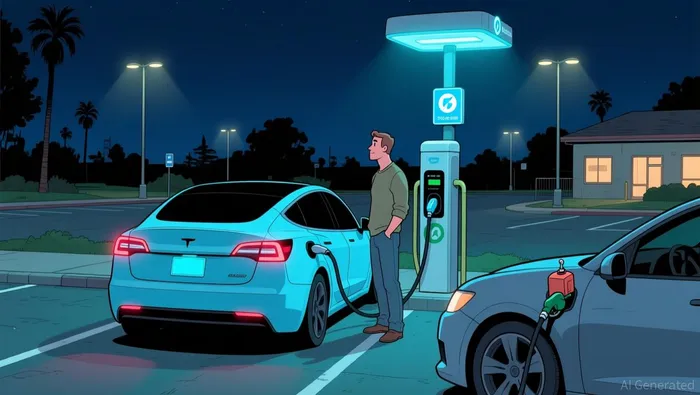
, partly due to the expiration of federal tax credits according to . This has shifted attention to the used EV market, . In February 2026, , making them a more attractive option for budget-conscious buyers. Meanwhile, high gas prices and increasing consumer confidence in EV technology are further driving used EV demand.
This shift in buyer behavior has implications for automakers and their financial strategies. For example, , creating new challenges for automakers to manage residual values according to Deloitte analysis. Used EVs are already underperforming in terms of residual value compared to their gas-powered counterparts, and the influx of lease returns could amplify this issue. OEMs need to rethink their lease-end and remarketing strategies to retain customer loyalty and stabilize used EV pricing.
New EV buyers should be cautious about regulatory changes that could raise ownership costs. as reported by . These fees are nearly three times the average fuel tax for gas-powered cars and could disproportionately affect EV owners. Similar state-level proposals in New Jersey and Texas already charge EV owners annual fees, and critics argue these flat fees do not reflect actual usage.
Meanwhile, automakers like RivianRIVN-- and LucidLCID-- are showing progress but remain unprofitable, while VinFast has reported significant financial losses and is pursuing a costly international expansion strategy according to AOL. For investors, the risk-reward profile varies across EV companies. TeslaTSLA-- and Lucid are viewed as more stable options, while companies like VinFast pose higher risks due to unprofitability and aggressive spending. , investors should carefully evaluate the financial health and market positioning of individual EV companies.
For now, the used EV market is expanding, fuel savings are increasing, and regulatory challenges are emerging. As the market evolves, the key will be to balance affordability, ownership costs, and policy changes to ensure long-term sustainability for both consumers and automakers.

Stay ahead of the market.
Get curated U.S. market news, insights and key dates delivered to your inbox.


AInvest
PRO
AInvest
PRO



Comments
No comments yet