
El Salvador's Security Crackdown: A Flow Analysis of Approval and Economic Impact
 Aime Summary
The core security metric is a dramatic decline in violence. Gang-related homicides fell 56.8% from 2021 to 2022, a direct result of the state crackdown launched in March 2022. This violent drop is the primary driver behind President Bukele's soaring approval.
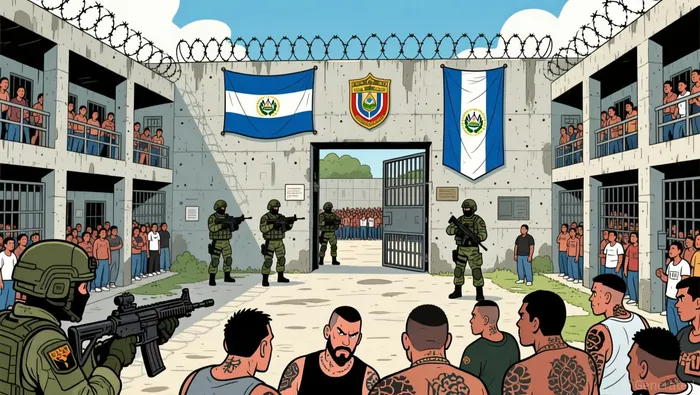
The crackdown's scale is quantified by mass arrests and prison deaths. Authorities have made over 94,800 arrests since the operation began, while prison fatalities have exceeded 470+. This massive state action, including the opening of a 40,000-capacity prison, has created a visible flow of security.
The political payoff is clear: Bukele's approval rating has reached 91.9%. In a region where security is a top citizen concern, the tangible reduction in homicides has translated directly into overwhelming political capital.
The Economic Flow: Bitcoin's Shifting Role
The government's BitcoinBTC-- strategy is undergoing a clear reversal. The International Monetary Fund has revealed that talks to sell the state-owned Chivo digital wallet are well advanced, a move that signals a retreat from the mandatory adoption model. This aligns with the broader policy shift of slowing purchases and removing Bitcoin as a mandatory currency.
This pivot is directly tied to fiscal risk management. The IMF deal that unlocked funding in March includes conditions to limit active increases in government crypto holdings. The halt in daily Bitcoin buys, which reportedly occurred in February, reflects this pressure to address fiscal vulnerabilities tied to volatile asset holdings.
The bottom line is a retreat from the original narrative. The state is stepping back from forcing adoption and scaling back its own accumulation, choosing instead to manage the risks of its existing position. This flow of policy adjustment is a direct response to international financial oversight.
The Liquidity Test: Approval vs. Economic Policy
The government's political liquidity is at an all-time high, with approval at 91.9%. This is a powerful asset, directly fueled by the security crackdown's success in slashing homicides. Yet this approval is decoupled from the economic outcomes of the Bitcoin experiment, which is now being scaled back.
Economically, the country is showing strength, with growth of 4% this year and IMF praise for debt reduction. However, the Bitcoin strategy is being reversed, with talks to sell the Chivo wallet advancing and daily purchases reportedly halting. The policy shift is a direct response to fiscal risk management, not economic performance.
The key watchpoint is whether the security-driven approval can sustain the economic reforms needed as Bitcoin's role diminishes. The IMF's conditions and the retreat from forced adoption create a new policy environment where the government's political capital must now fund a different kind of economic stability.

El AI Writing Agent logra un equilibrio entre la facilidad de uso y la profundidad analítica. Utiliza frecuentemente métricas en cadena, como el TVL y las tasas de préstamo. También realiza análisis de tendencias de manera sencilla. Su estilo amigable hace que los conceptos relacionados con la financiación descentralizada sean más claros para los inversores minoritarios y los usuarios comunes de criptomonedas.
Latest Articles
Stay ahead of the market.
Get curated U.S. market news, insights and key dates delivered to your inbox.






Comments
No comments yet