
El Salvador's Bitcoin Bet Falters Under IMF Pressure
El Salvador's Bitcoin Experiment: A Cautionary Tale for Developing Countries
El Salvador's ambitious Bitcoin experiment appears to be unraveling, serving as a cautionary tale for developing countries considering cryptocurrency as legal tender. The nation's shift away from its pro-Bitcoin stance, under pressure from the International Monetary Fund (IMF), raises questions about the future of crypto adoption in emerging economies.
Stacy Herbert, director of El Salvador's National Bitcoin Office, recently asserted that despite the changes, the country will continue to buy Bitcoin to build its reserve. However, the decline in El Salvador's Bitcoin legal tender experiment, as IMF pressures alter its crypto strategy, has sparked concerns for other developing nations.
The journey of El Salvador towards embracing Bitcoin as legal tender began in September 2021, with President Nayib Bukele championing a vision of economic liberation. However, recent shifts indicate a stark retreat from this revolutionary stance as the IMF's influence tightens its grip on the nation's fiscal decisions. According to research from San Salvador University, about 92% of Salvadorans did not engage with Bitcoin as of 2023, underlining the challenges faced in widespread adoption.
With the promise of a $1.4 billion credit line from the IMF, Bukele's administration opted to comply with conditional requirements, effectively revoking its legal tender mandate for Bitcoin. This pivotal shift signifies a retreat from Bukele's original aspirations, suggesting that despite its status as the first nation to adopt Bitcoin formally, El Salvador has capitulated under international financial pressures.
The repercussions of the IMF's involvement extend beyond immediate financial aid. By curbing El Salvador's Bitcoin-related initiatives, including halting Bitcoin tax payments and limiting its purchase activities, the IMF reinforces a conventional financial system, effectively sidelining the potential benefits of cryptocurrency for the nation's populace. As noted by the IMF, the restructuring aims to enhance transparency and regulatory supervision of digital assets, sidelining Bitcoin's transformative potential.
Critics like Kadan Stadelmann from Komodo Platform argue that this approach suppresses economic autonomy and reverts progress, bringing previous financial dependence into sharper focus. The IMF's conditionalities are seen as an extension of its longstanding role in shaping economic frameworks for developing nations, often at the expense of localized initiatives.
Initial exuberance around Bitcoin's adoption has dimmed considerably 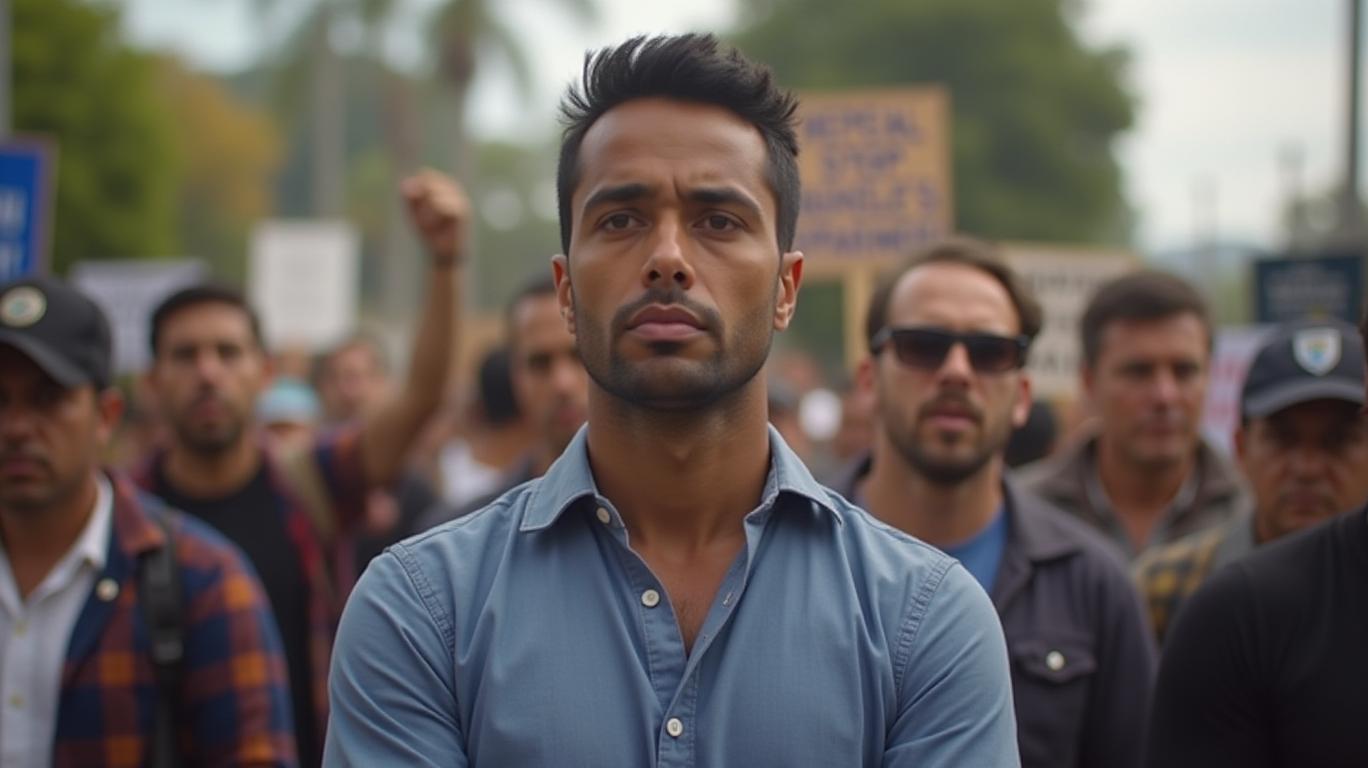

Stay ahead of the market.
Get curated U.S. market news, insights and key dates delivered to your inbox.
AInvest
PRO
AInvest
PRO



Comments
No comments yet