
El Salvador Abandons Bitcoin as Legal Tender
El Salvador has revoked Bitcoin's status as legal tender under pressure from the International Monetary Fund (IMF). The country's Congress passed a reformed Bitcoin law, officially ending the cryptocurrency's mandatory use for businesses, institutions, and tax payments. This decision comes as part of the IMF's loan requirements, with the Spanish newspaper El País reporting that the changes needed to be finalized by the end of January to secure monetary assistance.
The new legislation makes Bitcoin transactions optional instead of mandatory. Businesses and institutions are no longer required to accept Bitcoin, and it can no longer be used for tax payments. President Nayib Bukele had previously presented Bitcoin as a key element for advancing the economy. However, a majority of Salvadoran people did not experience any positive economic impact, and surveys indicated that most people opposed Bitcoin since its introduction in 2021.
El Salvador became the world's first nation to enact Bitcoin as legal tender in 2021. The country made history by initiating the use of Bitcoin as legal tender and is now the first nation to dissolve this policy. The governing political party passed an undisputed amendment to the law, maintaining its hold on the majority of Congress seats. President Bukele has not expressed any opinion about this matter through his popular social media engagement.
The IMF had been pushing El Salvador to reduce Bitcoin-associated dangers for about two years. The government adjusted three sections of the law by modifying them before completely erasing six other parts of the legislation. Bitcoin no longer functions as an official currency after legal amendments removed its mandatory status. The ruling party accepted these modifications under protest because accepting IMF funding was essential.
Public opinion surveys indicated that seventy-one percent of Salvadorans showed disapproval of making Bitcoin an official currency in 2021. The government allocated more than $200 million to carry out its implementation despite the opposition. The government invested these funds to create digital wallet access and build Bitcoin ATMs throughout the national borders.
The newest regulatory changes implemented by El Salvador adhere to IMF loan requirements. The legislative approvals happened swiftly because Congress is dominated by members of the New Ideas Party controlled by Bukele. Rapid action from the government was necessary to prevent delays in obtaining the loan facility.
Bitcoin retains its legal status in El Salvador, but the government no longer requires its citizens to use it. El Salvador formally declared an end to its trial of making cryptocurrency an official national currency 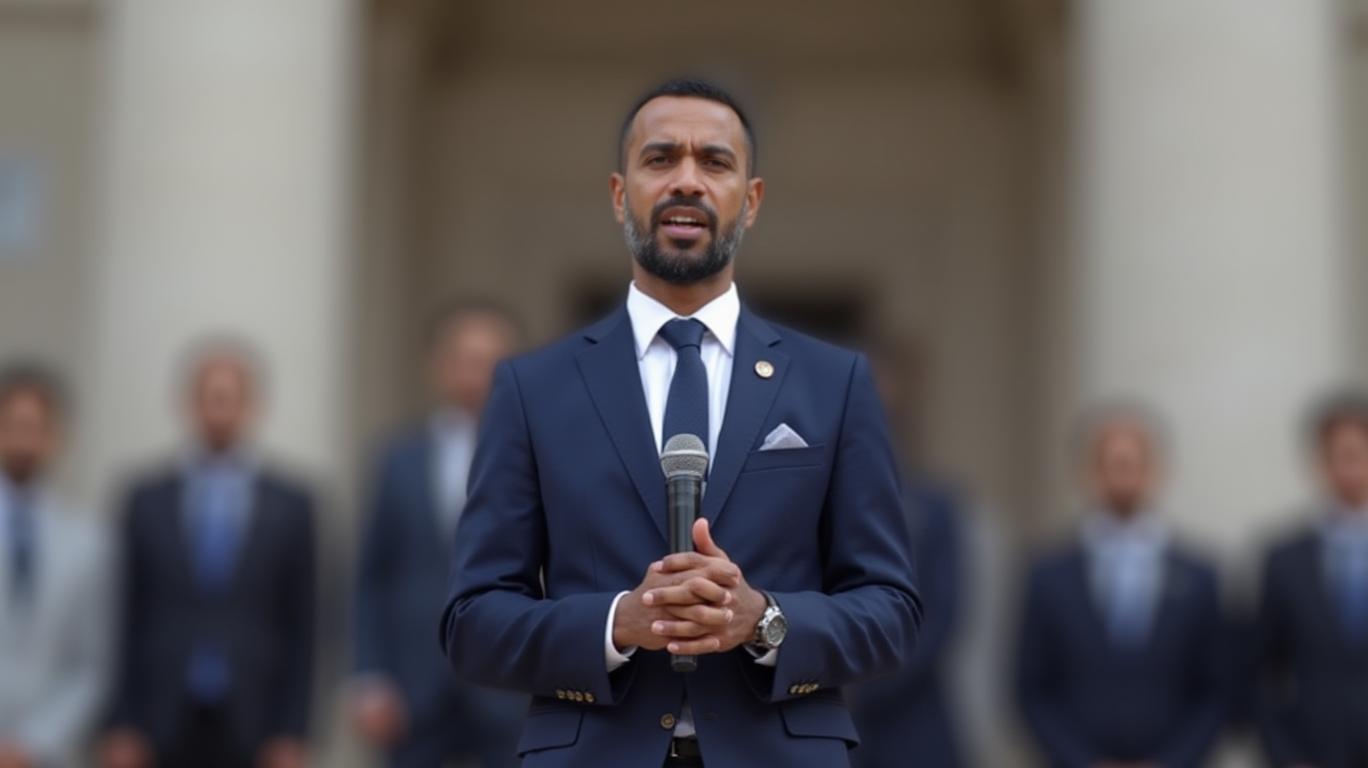

Stay ahead of the market.
Get curated U.S. market news, insights and key dates delivered to your inbox.


AInvest
PRO
AInvest
PRO



Comments
No comments yet